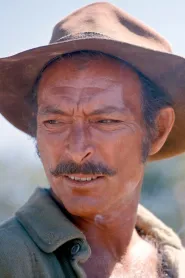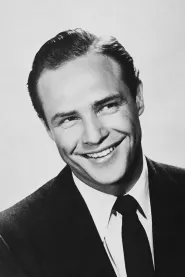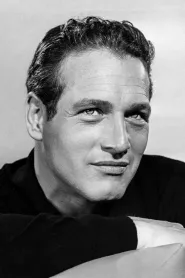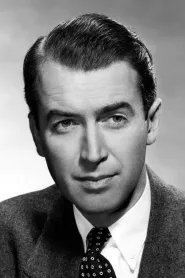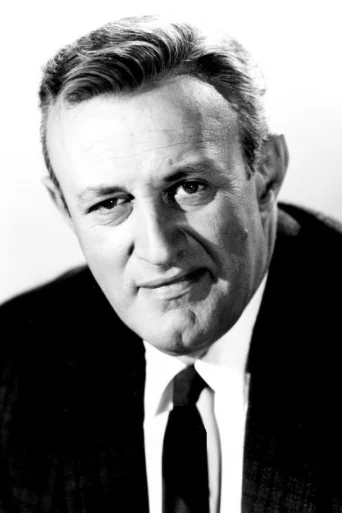
Lee J. Cobb was an iconic American actor whose compelling performances and commanding presence left an indelible mark on the film industry. Born on December 8, 1911, in New York City, New York, Cobb emerged as a significant figure in Hollywood throughout the mid-20th century. His versatility and depth as an actor allowed him to seamlessly transition between stage, film, and television, earning him a place among the greats of his generation.
Cobb's career began in the late 1930s when he made his debut in theater, showcasing his remarkable talent on Broadway. His early work included roles in productions that highlighted his ability to convey complex emotions, which would later translate beautifully to the silver screen. Cobb's breakthrough came with his performance in the 1949 film "Gentleman's Agreement," where he portrayed a Jewish-American businessman, a role that demonstrated his capacity to tackle socially relevant themes.
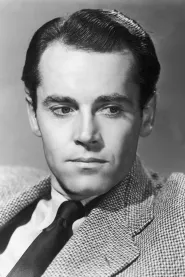
However, it was his role as Juror #3 in Sidney Lumet's 1957 classic "12 Angry Men" that cemented Lee J. Cobb's status as a Hollywood heavyweight. This film, which examined the intricacies of justice and human conscience, showcased Cobb’s powerful performance, bringing to life a character filled with anger and prejudice. His collaboration with acclaimed actors such as Henry Fonda and Ed Begley in this ensemble cast created a dynamic that resonated with audiences and critics alike, earning the film a place in cinematic history.
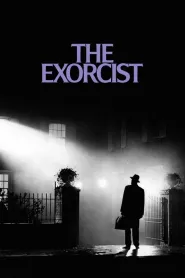
Throughout his career, Cobb worked with a number of esteemed directors, including Elia Kazan in "On the Waterfront" (1954) and "East of Eden" (1955), where his performances were lauded for their intensity and authenticity. His ability to portray morally complex characters allowed him to evolve artistically, moving from the roles of the villain to more nuanced and sympathetic figures. Cobb’s filmography is a testament to his adaptability and commitment to his craft, as demonstrated in films such as "The Brothers Karamazov" (1958) and "The Exorcist" (1973).
Lee J. Cobb's contributions to the film industry were recognized with several accolades throughout his career, including nominations for prestigious awards. His legacy endures through his unforgettable performances and the influence he had on future generations of actors. Cobb passed away on February 11, 1976, but his work continues to inspire and captivate audiences, solidifying his place as a significant figure in the annals of American cinema.
Cobb's career began in the late 1930s when he made his debut in theater, showcasing his remarkable talent on Broadway. His early work included roles in productions that highlighted his ability to convey complex emotions, which would later translate beautifully to the silver screen. Cobb's breakthrough came with his performance in the 1949 film "Gentleman's Agreement," where he portrayed a Jewish-American businessman, a role that demonstrated his capacity to tackle socially relevant themes.
However, it was his role as Juror #3 in Sidney Lumet's 1957 classic "12 Angry Men" that cemented Lee J. Cobb's status as a Hollywood heavyweight. This film, which examined the intricacies of justice and human conscience, showcased Cobb’s powerful performance, bringing to life a character filled with anger and prejudice. His collaboration with acclaimed actors such as Henry Fonda and Ed Begley in this ensemble cast created a dynamic that resonated with audiences and critics alike, earning the film a place in cinematic history.
Throughout his career, Cobb worked with a number of esteemed directors, including Elia Kazan in "On the Waterfront" (1954) and "East of Eden" (1955), where his performances were lauded for their intensity and authenticity. His ability to portray morally complex characters allowed him to evolve artistically, moving from the roles of the villain to more nuanced and sympathetic figures. Cobb’s filmography is a testament to his adaptability and commitment to his craft, as demonstrated in films such as "The Brothers Karamazov" (1958) and "The Exorcist" (1973).
Lee J. Cobb's contributions to the film industry were recognized with several accolades throughout his career, including nominations for prestigious awards. His legacy endures through his unforgettable performances and the influence he had on future generations of actors. Cobb passed away on February 11, 1976, but his work continues to inspire and captivate audiences, solidifying his place as a significant figure in the annals of American cinema.