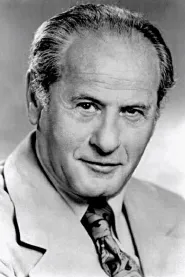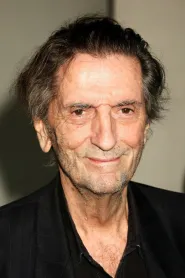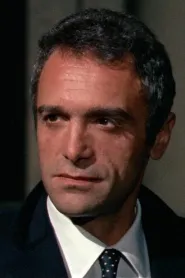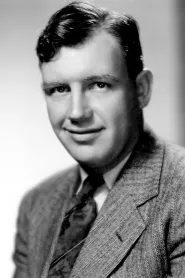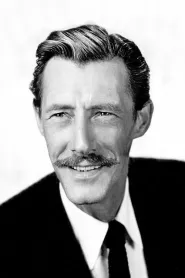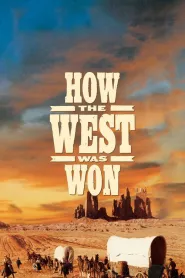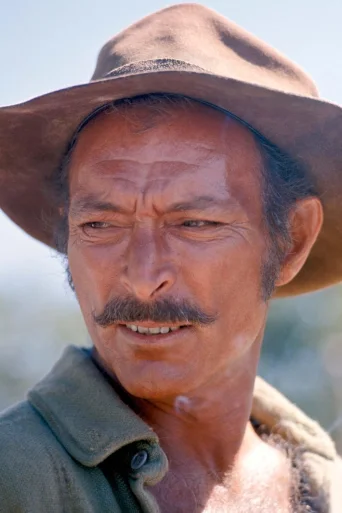
Lee Van Cleef was an iconic American actor whose commanding presence and distinctive features secured his status as a legendary figure in the film industry. Born on January 9, 1925, in Somerville, New Jersey, Van Cleef's journey into acting began after serving in the U.S. Navy during World War II. He initially worked as a carpenter before making his screen debut in the early 1950s, where he quickly caught the attention of filmmakers and audiences alike.
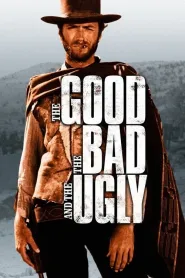
Van Cleef's breakthrough role came in 1966 when he starred in Sergio Leone's "The Good, the Bad and the Ugly." This film not only solidified his reputation as a leading figure in the Spaghetti Western genre but also showcased his ability to embody complex characters with a blend of charisma and menace. His portrayal of the ruthless outlaw Angel Eyes made him an enduring symbol of the anti-hero archetype that defined many Westerns of the era. This landmark performance paved the way for a series of notable collaborations with Leone and further established Lee Van Cleef as a staple in Hollywood.
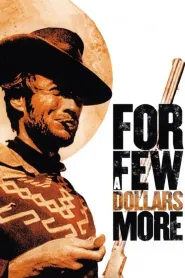
Throughout the late 1960s and 1970s, Lee Van Cleef continued to build an impressive filmography, appearing in several classic Westerns such as "For a Few Dollars More" (1965) and "The Big Gundown" (1966). His performances were characterized by a unique blend of stoicism and intensity, which resonated with audiences and critics alike. The actor's ability to convey emotion through minimal dialogue became a hallmark of his style, allowing him to leave a lasting impact on the genre.
In addition to his work in Westerns, Lee Van Cleef ventured into various film genres, showcasing his versatility as an actor. He appeared in crime dramas, action films, and even television series, proving his adaptability and talent across different narratives. His collaborations with renowned directors and actors further enriched his career, as he worked alongside the likes of Clint Eastwood and Burt Lancaster, establishing himself as a respected figure in Hollywood.
Lee Van Cleef's contributions to cinema were recognized during his lifetime, and his legacy continues to influence aspiring actors and filmmakers. He received several accolades throughout his career, including nominations for prestigious awards. Van Cleef passed away on December 16, 1989, leaving behind a remarkable body of work that remains celebrated by film enthusiasts around the world. His performances continue to resonate, making Lee Van Cleef an enduring icon of American cinema.
Van Cleef's breakthrough role came in 1966 when he starred in Sergio Leone's "The Good, the Bad and the Ugly." This film not only solidified his reputation as a leading figure in the Spaghetti Western genre but also showcased his ability to embody complex characters with a blend of charisma and menace. His portrayal of the ruthless outlaw Angel Eyes made him an enduring symbol of the anti-hero archetype that defined many Westerns of the era. This landmark performance paved the way for a series of notable collaborations with Leone and further established Lee Van Cleef as a staple in Hollywood.
Throughout the late 1960s and 1970s, Lee Van Cleef continued to build an impressive filmography, appearing in several classic Westerns such as "For a Few Dollars More" (1965) and "The Big Gundown" (1966). His performances were characterized by a unique blend of stoicism and intensity, which resonated with audiences and critics alike. The actor's ability to convey emotion through minimal dialogue became a hallmark of his style, allowing him to leave a lasting impact on the genre.
In addition to his work in Westerns, Lee Van Cleef ventured into various film genres, showcasing his versatility as an actor. He appeared in crime dramas, action films, and even television series, proving his adaptability and talent across different narratives. His collaborations with renowned directors and actors further enriched his career, as he worked alongside the likes of Clint Eastwood and Burt Lancaster, establishing himself as a respected figure in Hollywood.
Lee Van Cleef's contributions to cinema were recognized during his lifetime, and his legacy continues to influence aspiring actors and filmmakers. He received several accolades throughout his career, including nominations for prestigious awards. Van Cleef passed away on December 16, 1989, leaving behind a remarkable body of work that remains celebrated by film enthusiasts around the world. His performances continue to resonate, making Lee Van Cleef an enduring icon of American cinema.