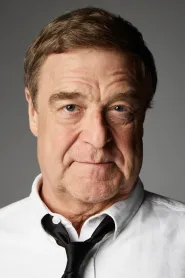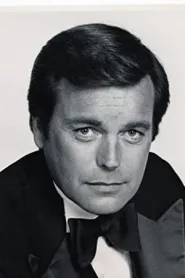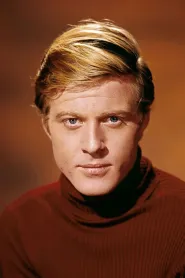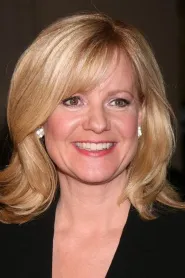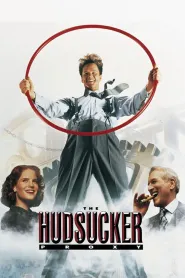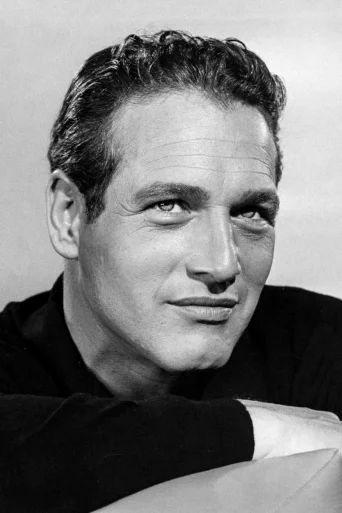
Paul Newman was a celebrated American actor, director, and philanthropist whose career spanned over five decades, earning him a revered place in the history of Hollywood. Born on January 26, 1925, in Shaker Heights, Ohio, Newman became an iconic figure known for his striking blue eyes, charisma, and remarkable performances. His contributions to the film industry extend beyond his on-screen roles; he was also a successful race car driver and the co-founder of a food company that donated all profits to charity.
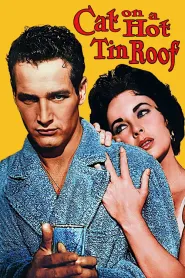
Newman's early career began in the 1950s, where he made his debut in television before transitioning to film. His breakthrough role came in 1956 with the classic film "Somebody Up There Likes Me," where he portrayed the real-life boxer Rocky Graziano. This performance established Paul Newman as a leading man in Hollywood, paving the way for a series of significant roles in films such as "Cat on a Hot Tin Roof" (1958) and "The Long Hot Summer" (1958). His ability to convey deep emotional complexity and vulnerability resonated with audiences, setting the stage for a prolific career.
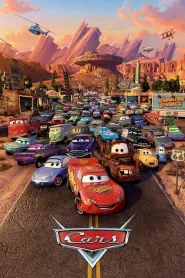
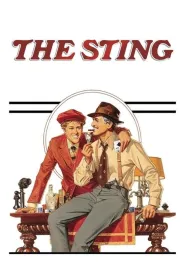
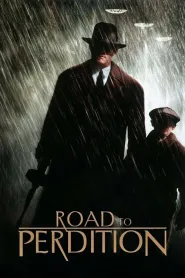
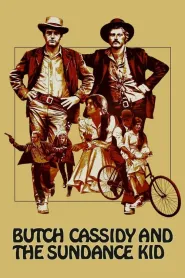
Throughout the 1960s and 1970s, Paul Newman starred in a number of notable films that further solidified his status as a Hollywood legend. His iconic roles in "Butch Cassidy and the Sundance Kid" (1969) alongside Robert Redford, and "The Sting" (1973) showcased his impeccable timing and charm. Newman's collaboration with director Martin Scorsese in "Road to Perdition" (2002) marked a significant evolution in his acting style, as he embraced more nuanced and complex characters in later years. Additionally, his voice work in Pixar's "Cars" (2006) introduced him to a new generation, allowing his legacy to continue beyond his passing.
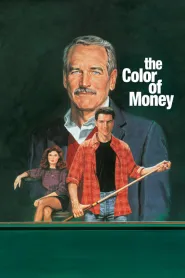
As his career progressed, Paul Newman received numerous accolades, including an Academy Award for Best Actor for his performance in "The Color of Money" (1986). His talent was recognized not only by the Academy but also by the Golden Globes and various film festivals worldwide, solidifying his status as one of the most respected actors in the industry. Newman's commitment to philanthropy, particularly through the establishment of the Newman’s Own Foundation, demonstrated his dedication to giving back, further enhancing his legacy.
Paul Newman's artistic evolution and remarkable filmography continue to inspire actors and filmmakers today. His ability to embody a wide range of characters, from charming anti-heroes to deeply flawed individuals, left an indelible mark on cinema. Newman's contributions to the film industry and his enduring influence will always be remembered, making him a timeless figure in the annals of Hollywood history.
Newman's early career began in the 1950s, where he made his debut in television before transitioning to film. His breakthrough role came in 1956 with the classic film "Somebody Up There Likes Me," where he portrayed the real-life boxer Rocky Graziano. This performance established Paul Newman as a leading man in Hollywood, paving the way for a series of significant roles in films such as "Cat on a Hot Tin Roof" (1958) and "The Long Hot Summer" (1958). His ability to convey deep emotional complexity and vulnerability resonated with audiences, setting the stage for a prolific career.
Throughout the 1960s and 1970s, Paul Newman starred in a number of notable films that further solidified his status as a Hollywood legend. His iconic roles in "Butch Cassidy and the Sundance Kid" (1969) alongside Robert Redford, and "The Sting" (1973) showcased his impeccable timing and charm. Newman's collaboration with director Martin Scorsese in "Road to Perdition" (2002) marked a significant evolution in his acting style, as he embraced more nuanced and complex characters in later years. Additionally, his voice work in Pixar's "Cars" (2006) introduced him to a new generation, allowing his legacy to continue beyond his passing.
As his career progressed, Paul Newman received numerous accolades, including an Academy Award for Best Actor for his performance in "The Color of Money" (1986). His talent was recognized not only by the Academy but also by the Golden Globes and various film festivals worldwide, solidifying his status as one of the most respected actors in the industry. Newman's commitment to philanthropy, particularly through the establishment of the Newman’s Own Foundation, demonstrated his dedication to giving back, further enhancing his legacy.
Paul Newman's artistic evolution and remarkable filmography continue to inspire actors and filmmakers today. His ability to embody a wide range of characters, from charming anti-heroes to deeply flawed individuals, left an indelible mark on cinema. Newman's contributions to the film industry and his enduring influence will always be remembered, making him a timeless figure in the annals of Hollywood history.