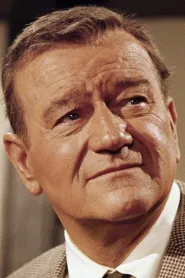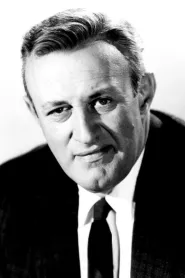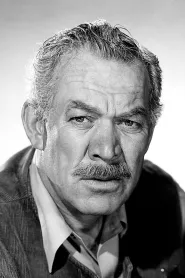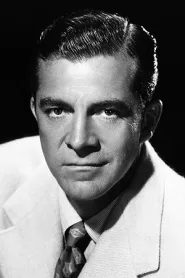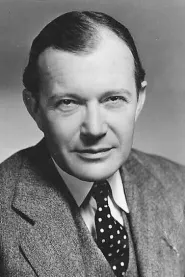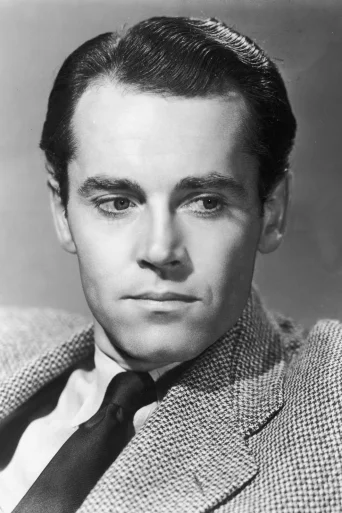
Henry Fonda, an iconic figure in American cinema, is celebrated for his remarkable contributions to the film industry over a career that spanned five decades. Born on May 16, 1905, in Grand Island, Nebraska, Fonda emerged as one of Hollywood's most distinguished actors, known for his compelling performances and a distinctive ability to embody a wide range of characters. His legacy is marked not only by his extensive filmography but also by the profound impact he had on the art of storytelling through film.
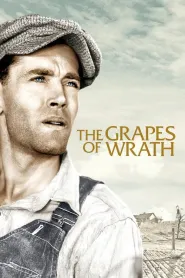
Fonda's early career began on the stage, where he honed his craft in various theatrical productions. He made his film debut in the silent film "The Farmer Takes a Wife" in 1935. However, it was his breakthrough role in the 1940 adaptation of John Steinbeck's "The Grapes of Wrath" that truly established him as a leading man in Hollywood. Fonda's portrayal of Tom Joad resonated with audiences and critics alike, earning him widespread acclaim and solidifying his reputation as a serious actor.
Among his most famous films, "12 Angry Men" (1957) stands out as a seminal work in Fonda's career. His portrayal of Juror #8 showcased his ability to convey moral integrity and conviction in the face of adversity. This performance not only garnered him critical praise but also became a defining moment in cinema history, as the film remains a powerful exploration of justice and human morality. Throughout his career, Fonda collaborated with notable directors such as Sidney Lumet, who helmed "12 Angry Men," and Martin Ritt, further enhancing his artistic evolution.
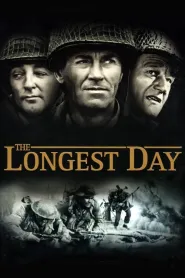
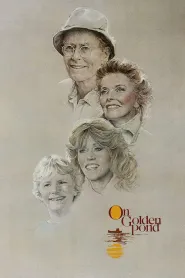
Fonda's filmography is rich with significant roles, including performances in "The Longest Day" (1962), "On Golden Pond" (1981), and "Jesse James" (1939). His ability to traverse genres—from westerns to dramas—showed his versatility and commitment to his craft. Over the years, Henry Fonda received numerous accolades, including an Academy Award for Best Actor for his role in "On Golden Pond," as well as a Golden Globe Award, cementing his status as a Hollywood legend.
In addition to his extensive awards, Henry Fonda's influence extended beyond his performances. He became a source of inspiration for generations of actors and filmmakers, leaving an indelible mark on the film industry. Fonda passed away on August 12, 1982, yet his legacy continues to thrive in the annals of cinema history, reminding us of the power of storytelling and the strength of the human spirit.
Fonda's early career began on the stage, where he honed his craft in various theatrical productions. He made his film debut in the silent film "The Farmer Takes a Wife" in 1935. However, it was his breakthrough role in the 1940 adaptation of John Steinbeck's "The Grapes of Wrath" that truly established him as a leading man in Hollywood. Fonda's portrayal of Tom Joad resonated with audiences and critics alike, earning him widespread acclaim and solidifying his reputation as a serious actor.
Among his most famous films, "12 Angry Men" (1957) stands out as a seminal work in Fonda's career. His portrayal of Juror #8 showcased his ability to convey moral integrity and conviction in the face of adversity. This performance not only garnered him critical praise but also became a defining moment in cinema history, as the film remains a powerful exploration of justice and human morality. Throughout his career, Fonda collaborated with notable directors such as Sidney Lumet, who helmed "12 Angry Men," and Martin Ritt, further enhancing his artistic evolution.
Fonda's filmography is rich with significant roles, including performances in "The Longest Day" (1962), "On Golden Pond" (1981), and "Jesse James" (1939). His ability to traverse genres—from westerns to dramas—showed his versatility and commitment to his craft. Over the years, Henry Fonda received numerous accolades, including an Academy Award for Best Actor for his role in "On Golden Pond," as well as a Golden Globe Award, cementing his status as a Hollywood legend.
In addition to his extensive awards, Henry Fonda's influence extended beyond his performances. He became a source of inspiration for generations of actors and filmmakers, leaving an indelible mark on the film industry. Fonda passed away on August 12, 1982, yet his legacy continues to thrive in the annals of cinema history, reminding us of the power of storytelling and the strength of the human spirit.