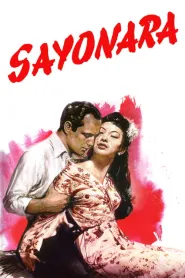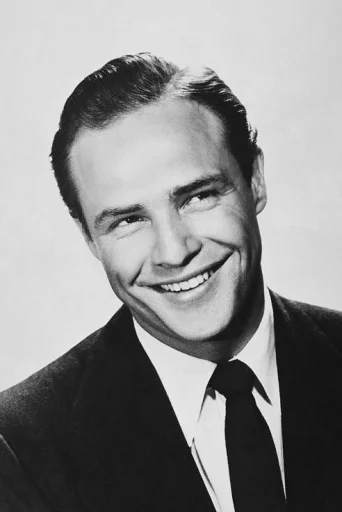
Marlon Brando stands as one of the most influential actors in the history of cinema, renowned for his powerful performances and innovative approach to acting. Born on April 3, 1924, in Omaha, Nebraska, Brando's legacy extends far beyond his remarkable filmography; he redefined the craft of acting and paved the way for future generations of performers. His unique ability to convey deep emotional complexity and authenticity has made him a lasting icon in Hollywood.
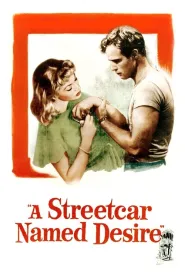
Brando's journey in the film industry began in the 1940s, where he honed his craft on stage before transitioning to film. His debut in "The Men" (1950) showcased a raw talent that would soon capture the attention of audiences and critics alike. However, it was his groundbreaking role as Stanley Kowalski in "A Streetcar Named Desire" (1951) that truly established him as a leading man. This performance not only garnered him his first Academy Award nomination but also set the stage for a career defined by bold choices and transformative roles.
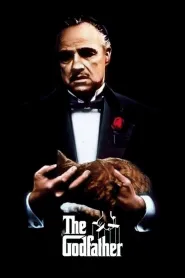
Among Brando's most significant films are the iconic "The Godfather" (1972) and "Apocalypse Now" (1979). In "The Godfather," he portrayed the indomitable Vito Corleone, a role that would earn him an Academy Award for Best Actor. Brando's portrayal of the Mafia patriarch became legendary, influencing countless performances in the genre. His collaboration with director Francis Ford Coppola in both "The Godfather" and "Apocalypse Now" demonstrated his ability to elevate the material through his unparalleled artistry.
Throughout his career, Marlon Brando continually evolved as an artist, embracing a wide range of roles that displayed his versatility. From romantic leads to complex antiheroes, Brando's performances were characterized by a profound understanding of human nature. He garnered numerous accolades, including multiple Golden Globe Awards, solidifying his status as one of Hollywood’s most celebrated figures.
Marlon Brando's impact on the film industry remains immeasurable, as his innovative techniques and commitment to authenticity reshaped acting standards and inspired countless actors. His legacy endures not only through his iconic roles but also through the profound influence he has had on the craft of acting itself. Brando passed away on July 1, 2004, but his contributions to cinema continue to resonate, ensuring that his name remains synonymous with excellence in film.
Brando's journey in the film industry began in the 1940s, where he honed his craft on stage before transitioning to film. His debut in "The Men" (1950) showcased a raw talent that would soon capture the attention of audiences and critics alike. However, it was his groundbreaking role as Stanley Kowalski in "A Streetcar Named Desire" (1951) that truly established him as a leading man. This performance not only garnered him his first Academy Award nomination but also set the stage for a career defined by bold choices and transformative roles.
Among Brando's most significant films are the iconic "The Godfather" (1972) and "Apocalypse Now" (1979). In "The Godfather," he portrayed the indomitable Vito Corleone, a role that would earn him an Academy Award for Best Actor. Brando's portrayal of the Mafia patriarch became legendary, influencing countless performances in the genre. His collaboration with director Francis Ford Coppola in both "The Godfather" and "Apocalypse Now" demonstrated his ability to elevate the material through his unparalleled artistry.
Throughout his career, Marlon Brando continually evolved as an artist, embracing a wide range of roles that displayed his versatility. From romantic leads to complex antiheroes, Brando's performances were characterized by a profound understanding of human nature. He garnered numerous accolades, including multiple Golden Globe Awards, solidifying his status as one of Hollywood’s most celebrated figures.
Marlon Brando's impact on the film industry remains immeasurable, as his innovative techniques and commitment to authenticity reshaped acting standards and inspired countless actors. His legacy endures not only through his iconic roles but also through the profound influence he has had on the craft of acting itself. Brando passed away on July 1, 2004, but his contributions to cinema continue to resonate, ensuring that his name remains synonymous with excellence in film.