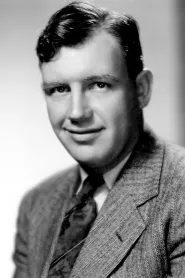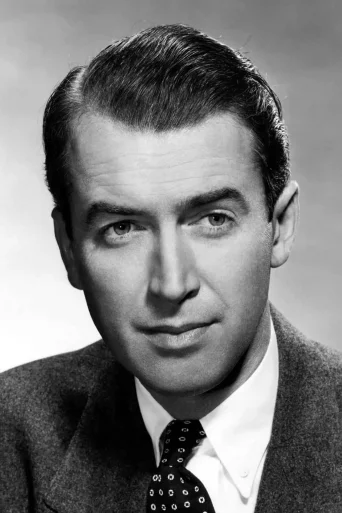
James Stewart was an iconic American actor whose distinctive voice and relatable persona left a profound impact on Hollywood and the world of cinema. Born on May 20, 1908, in Indiana, Pennsylvania, Stewart's career spanned over five decades, establishing him as one of the most beloved figures in film history. His performances often reflected the moral complexity of everyday life, making him a quintessential representative of the American spirit.
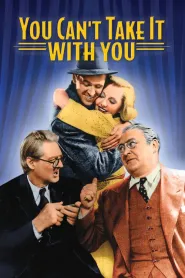
Stewart's journey into acting began in the late 1920s when he made his Broadway debut in the play "Art and Mrs. Bottle." His transition to film came in the early 1930s, where he honed his craft in a series of supporting roles. However, it was his breakthrough performance in Frank Capra's "You Can't Take It with You" (1938) that truly put him on the map. This collaboration with Capra marked the beginning of a fruitful partnership, leading to further successes, including the timeless classic "It's a Wonderful Life" (1946), which remains a holiday favorite to this day.
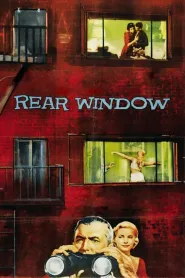
Throughout his illustrious career, James Stewart starred in numerous iconic films, including Alfred Hitchcock's psychological thriller "Rear Window" (1954), where he delivered a masterful performance as a wheelchair-bound photographer who believes he has witnessed a murder. This role exemplified Stewart's ability to convey tension and vulnerability, solidifying his status as a versatile actor capable of tackling complex characters. His collaborations with directors like Hitchcock and Capra showcased his range, allowing him to shine in both comedic and dramatic roles.
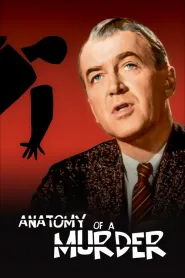
Stewart's artistic evolution over the years was marked by a willingness to take risks and explore diverse genres. In the 1950s and 1960s, he ventured into more serious roles, such as in "Anatomy of a Murder" (1959), where he played a defense attorney in a gripping courtroom drama, further demonstrating his depth as an actor. His ability to adapt and challenge himself set him apart in Hollywood, where many actors often became typecast.
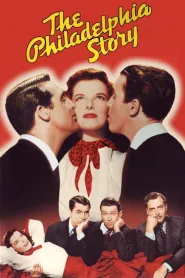
Throughout his career, James Stewart received numerous accolades for his contributions to film, including an Academy Award for Best Actor for "The Philadelphia Story" (1940) and an honorary Oscar in 1985 for his lifetime achievements. His performances garnered international recognition, ensuring that his legacy endures even decades after his passing on July 2, 1997. Stewart's unique blend of charm, sincerity, and depth continues to resonate with audiences, making him a timeless figure in the pantheon of cinematic greats.
Stewart's journey into acting began in the late 1920s when he made his Broadway debut in the play "Art and Mrs. Bottle." His transition to film came in the early 1930s, where he honed his craft in a series of supporting roles. However, it was his breakthrough performance in Frank Capra's "You Can't Take It with You" (1938) that truly put him on the map. This collaboration with Capra marked the beginning of a fruitful partnership, leading to further successes, including the timeless classic "It's a Wonderful Life" (1946), which remains a holiday favorite to this day.
Throughout his illustrious career, James Stewart starred in numerous iconic films, including Alfred Hitchcock's psychological thriller "Rear Window" (1954), where he delivered a masterful performance as a wheelchair-bound photographer who believes he has witnessed a murder. This role exemplified Stewart's ability to convey tension and vulnerability, solidifying his status as a versatile actor capable of tackling complex characters. His collaborations with directors like Hitchcock and Capra showcased his range, allowing him to shine in both comedic and dramatic roles.
Stewart's artistic evolution over the years was marked by a willingness to take risks and explore diverse genres. In the 1950s and 1960s, he ventured into more serious roles, such as in "Anatomy of a Murder" (1959), where he played a defense attorney in a gripping courtroom drama, further demonstrating his depth as an actor. His ability to adapt and challenge himself set him apart in Hollywood, where many actors often became typecast.
Throughout his career, James Stewart received numerous accolades for his contributions to film, including an Academy Award for Best Actor for "The Philadelphia Story" (1940) and an honorary Oscar in 1985 for his lifetime achievements. His performances garnered international recognition, ensuring that his legacy endures even decades after his passing on July 2, 1997. Stewart's unique blend of charm, sincerity, and depth continues to resonate with audiences, making him a timeless figure in the pantheon of cinematic greats.