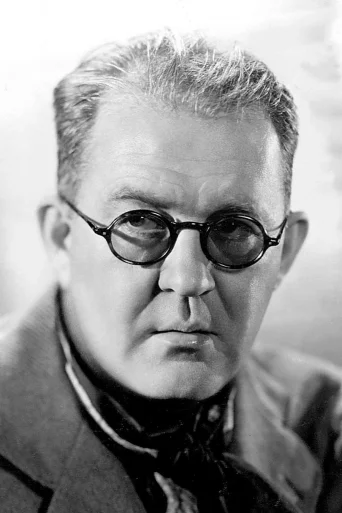
John Ford, an iconic figure in the world of cinema, is celebrated as one of the most influential directors in Hollywood history. With a career that spanned over five decades, Ford's mastery of storytelling and visual composition helped to shape the American film narrative, particularly in the Western genre. He is renowned for his ability to blend personal emotion with grand historical themes, creating films that resonate with audiences around the world.
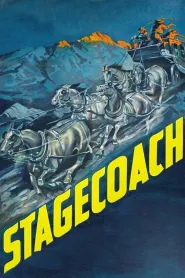
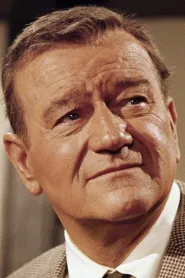
Ford began his career in the silent film era, directing his first feature, "The Mysterious Island," in 1926. However, it was with the advent of sound that he truly began to flourish. His groundbreaking film "Stagecoach" (1939) marked a pivotal moment in his career, establishing both the Western genre and Ford himself as a formidable force in Hollywood. This film not only introduced the world to the legendary John Wayne but also showcased Ford's unique ability to explore complex characters and social themes within the framework of classic Western storytelling.
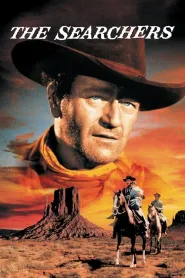
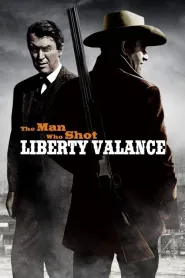
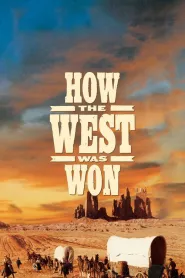
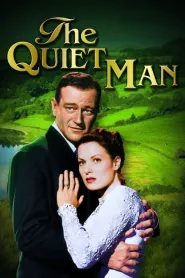
Throughout the 1940s and 1950s, John Ford continued to create memorable films that would secure his legacy. "The Searchers" (1956) is often heralded as one of the greatest films ever made, characterized by its stunning cinematography and nuanced performances. Additionally, "The Man Who Shot Liberty Valance" (1962) and "How the West Was Won" (1962) further solidified Ford's reputation as a masterful storyteller, intertwining personal narratives with broader cultural reflections. "The Quiet Man" (1952), a romantic comedy set in Ireland, revealed Ford's versatility and ability to infuse charm and humor into his work.
Throughout his illustrious career, John Ford collaborated with numerous actors and filmmakers, shaping the landscape of American cinema. His partnership with John Wayne is perhaps the most notable, producing a series of films that have become classics in their own right. Ford's artistic evolution is evident in his later works, which often grapple with themes of loss, memory, and the passage of time, showcasing a deeper introspection that resonated with audiences.
John Ford's contributions to film were recognized with numerous accolades, including four Academy Awards for Best Director, a testament to his unparalleled talent and impact on the industry. His films continue to be studied and celebrated, influencing generations of filmmakers and audiences alike. In the pantheon of cinematic greats, John Ford stands out not only for his technical prowess but also for his ability to capture the human spirit, making him a cornerstone of American film history.
Ford began his career in the silent film era, directing his first feature, "The Mysterious Island," in 1926. However, it was with the advent of sound that he truly began to flourish. His groundbreaking film "Stagecoach" (1939) marked a pivotal moment in his career, establishing both the Western genre and Ford himself as a formidable force in Hollywood. This film not only introduced the world to the legendary John Wayne but also showcased Ford's unique ability to explore complex characters and social themes within the framework of classic Western storytelling.
Throughout the 1940s and 1950s, John Ford continued to create memorable films that would secure his legacy. "The Searchers" (1956) is often heralded as one of the greatest films ever made, characterized by its stunning cinematography and nuanced performances. Additionally, "The Man Who Shot Liberty Valance" (1962) and "How the West Was Won" (1962) further solidified Ford's reputation as a masterful storyteller, intertwining personal narratives with broader cultural reflections. "The Quiet Man" (1952), a romantic comedy set in Ireland, revealed Ford's versatility and ability to infuse charm and humor into his work.
Throughout his illustrious career, John Ford collaborated with numerous actors and filmmakers, shaping the landscape of American cinema. His partnership with John Wayne is perhaps the most notable, producing a series of films that have become classics in their own right. Ford's artistic evolution is evident in his later works, which often grapple with themes of loss, memory, and the passage of time, showcasing a deeper introspection that resonated with audiences.
John Ford's contributions to film were recognized with numerous accolades, including four Academy Awards for Best Director, a testament to his unparalleled talent and impact on the industry. His films continue to be studied and celebrated, influencing generations of filmmakers and audiences alike. In the pantheon of cinematic greats, John Ford stands out not only for his technical prowess but also for his ability to capture the human spirit, making him a cornerstone of American film history.