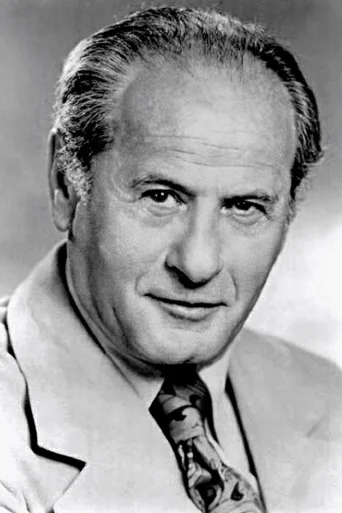
Eli Wallach was a distinguished American actor whose extensive career spanned over six decades, leaving an indelible mark on the film industry. Born on December 7, 1915, in Brooklyn, New York City, Eli Wallach emerged as one of Hollywood's most versatile and compelling performers. His ability to inhabit a wide range of characters, coupled with his remarkable stage presence, made him a significant figure in both film and theater.
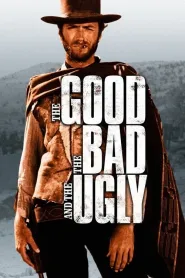
Wallach's journey in the entertainment industry began with his training at the Actors Studio, where he honed his craft alongside other notable talents. He made his film debut in 1956 with "Baby Doll," directed by Elia Kazan, showcasing his ability to portray complex characters. However, it was his role as the charismatic bandit Tuco in Sergio Leone's iconic 1966 film "The Good, the Bad and the Ugly" that truly established him as a household name. This role not only cemented Wallach's status in the Spaghetti Western genre but also showcased his unique blend of charisma and menace, which would become a hallmark of his performances.
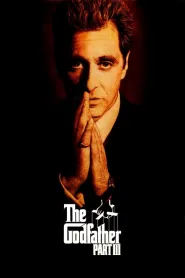
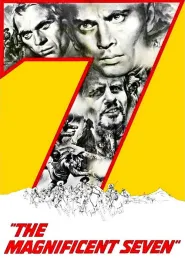
Throughout his illustrious career, Eli Wallach appeared in numerous acclaimed films, including "The Magnificent Seven" (1960) and "The Godfather Part III" (1990), where he delivered a riveting performance as the cunning mobster Don Altobello. His collaborations with notable directors such as John Huston, Martin Scorsese, and Sergio Leone highlighted his adaptability and commitment to his craft. Wallach's ability to seamlessly transition between genres—from Westerns to dramas—demonstrated his range and solidified his reputation as one of the great character actors of his time.
In addition to his film work, Eli Wallach had a successful stage career, earning acclaim on Broadway and receiving a Tony Award for his performance in "The Rose Tattoo" in 1951. His contributions to the arts were recognized with various accolades, including an honorary Academy Award in 2010, celebrating his lifetime achievements in cinema. Internationally, Wallach's performances resonated with audiences around the globe, ensuring his legacy as an influential figure in the film industry.
Eli Wallach passed away on June 24, 2014, leaving behind a rich filmography that continues to inspire actors and filmmakers alike. His remarkable talent and dedication to his craft have secured his place as a beloved icon in Hollywood history, ensuring that his performances will be remembered for generations to come.
Wallach's journey in the entertainment industry began with his training at the Actors Studio, where he honed his craft alongside other notable talents. He made his film debut in 1956 with "Baby Doll," directed by Elia Kazan, showcasing his ability to portray complex characters. However, it was his role as the charismatic bandit Tuco in Sergio Leone's iconic 1966 film "The Good, the Bad and the Ugly" that truly established him as a household name. This role not only cemented Wallach's status in the Spaghetti Western genre but also showcased his unique blend of charisma and menace, which would become a hallmark of his performances.
Throughout his illustrious career, Eli Wallach appeared in numerous acclaimed films, including "The Magnificent Seven" (1960) and "The Godfather Part III" (1990), where he delivered a riveting performance as the cunning mobster Don Altobello. His collaborations with notable directors such as John Huston, Martin Scorsese, and Sergio Leone highlighted his adaptability and commitment to his craft. Wallach's ability to seamlessly transition between genres—from Westerns to dramas—demonstrated his range and solidified his reputation as one of the great character actors of his time.
In addition to his film work, Eli Wallach had a successful stage career, earning acclaim on Broadway and receiving a Tony Award for his performance in "The Rose Tattoo" in 1951. His contributions to the arts were recognized with various accolades, including an honorary Academy Award in 2010, celebrating his lifetime achievements in cinema. Internationally, Wallach's performances resonated with audiences around the globe, ensuring his legacy as an influential figure in the film industry.
Eli Wallach passed away on June 24, 2014, leaving behind a rich filmography that continues to inspire actors and filmmakers alike. His remarkable talent and dedication to his craft have secured his place as a beloved icon in Hollywood history, ensuring that his performances will be remembered for generations to come.