Synopsis
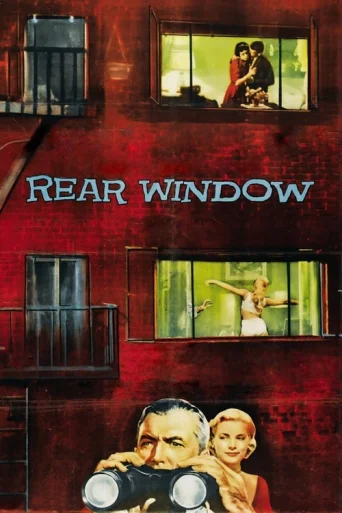
Rear Window is a movie released in 1954.
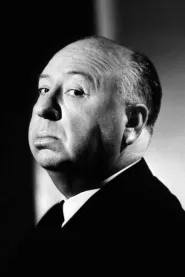
In a masterful blend of suspense and psychological intrigue, this classic thriller thrusts viewers into the confined world of a wheelchair-bound photographer who finds himself an unwitting participant in a potential crime. As he peers through the lens of his camera, the mundane lives of his neighbors unfold like a vivid tapestry, but soon, the seemingly innocuous happenings take a sinister turn. Convinced that one of them has committed murder, he becomes consumed by his obsession, blurring the lines between voyeurism and justice. With Alfred Hitchcock at the helm, every frame is meticulously crafted to evoke tension and provoke thought, making it a quintessential study of human curiosity and moral ambiguity. The film adeptly explores themes of isolation, the ethics of observation, and the impact of societal indifference, all while keeping viewers on the edge of their seats. As the protagonist pieces together the chilling puzzle, audiences are invited to question their own perceptions and the nature of truth. This cinematic gem not only showcases Hitchcock’s unparalleled storytelling but also remains a timeless exploration of fear and fascination that continues to resonate with audiences today.










 Alfred J. Hitchcock Productions