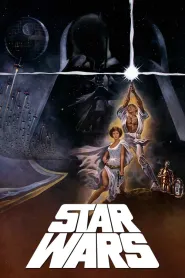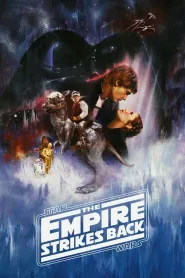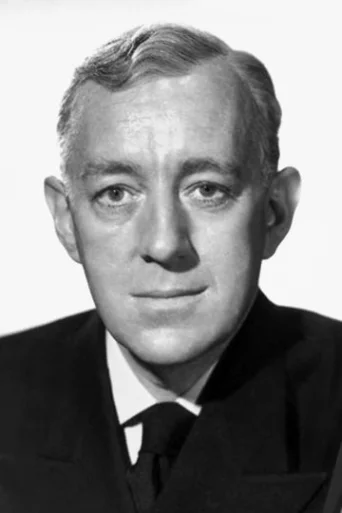
Alec Guinness was a distinguished English actor whose remarkable career spanned over six decades, leaving an indelible mark on the film industry. Born on April 2, 1914, in Marylebone, London, England, his versatility and remarkable talent made him one of the most celebrated figures in cinema. Best known for his iconic roles in the original Star Wars trilogy, including "Star Wars" (1977), "The Empire Strikes Back" (1980), and "Return of the Jedi" (1983), Alec Guinness's performances transcended genres, showcasing his ability to adapt and excel in both dramatic and comedic roles.
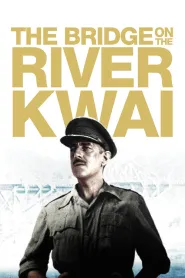
Guinness's early career began in the 1930s, where he honed his craft at the prestigious Fay Compton's acting school. He made his film debut in "The Last Holiday" in 1950, but it was his breakthrough role as the enigmatic Colonel Nicholson in David Lean's "The Bridge on the River Kwai" (1957) that established him as a formidable talent. This performance not only earned him an Academy Award for Best Actor but also showcased his skill in portraying complex characters.
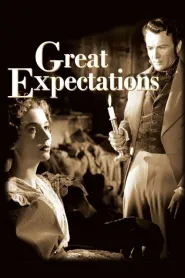
Throughout his illustrious filmography, Alec Guinness collaborated with some of the most influential directors and actors of his time. His partnership with David Lean resulted in several critically acclaimed films, including "Great Expectations" (1946) and "Lawrence of Arabia" (1962). These collaborations not only solidified his reputation in Hollywood but also highlighted his adaptability across various cinematic styles and narratives. His role as Obi-Wan Kenobi brought him worldwide fame and introduced him to a new generation of fans, demonstrating his ability to bridge the gap between classic and contemporary cinema.
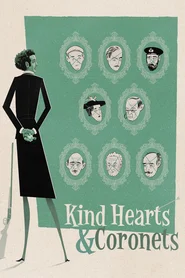
As his career progressed, Alec Guinness continued to evolve as an actor, taking on diverse roles that challenged his artistic boundaries. His performances in films such as "The Ladykillers" (1955) and "Kind Hearts and Coronets" (1949) showcased his exceptional range, blending humor with poignancy. His contributions to film were recognized with numerous accolades, including BAFTA Awards and a star on the Hollywood Walk of Fame, cementing his status as a cinematic legend.
Alec Guinness passed away on August 5, 2000, leaving behind a rich legacy that continues to inspire actors and filmmakers alike. His impact on the film industry, particularly through his memorable roles and artistic collaborations, ensures that Alec Guinness will always be remembered as one of the greats of 20th-century cinema.
Guinness's early career began in the 1930s, where he honed his craft at the prestigious Fay Compton's acting school. He made his film debut in "The Last Holiday" in 1950, but it was his breakthrough role as the enigmatic Colonel Nicholson in David Lean's "The Bridge on the River Kwai" (1957) that established him as a formidable talent. This performance not only earned him an Academy Award for Best Actor but also showcased his skill in portraying complex characters.
Throughout his illustrious filmography, Alec Guinness collaborated with some of the most influential directors and actors of his time. His partnership with David Lean resulted in several critically acclaimed films, including "Great Expectations" (1946) and "Lawrence of Arabia" (1962). These collaborations not only solidified his reputation in Hollywood but also highlighted his adaptability across various cinematic styles and narratives. His role as Obi-Wan Kenobi brought him worldwide fame and introduced him to a new generation of fans, demonstrating his ability to bridge the gap between classic and contemporary cinema.
As his career progressed, Alec Guinness continued to evolve as an actor, taking on diverse roles that challenged his artistic boundaries. His performances in films such as "The Ladykillers" (1955) and "Kind Hearts and Coronets" (1949) showcased his exceptional range, blending humor with poignancy. His contributions to film were recognized with numerous accolades, including BAFTA Awards and a star on the Hollywood Walk of Fame, cementing his status as a cinematic legend.
Alec Guinness passed away on August 5, 2000, leaving behind a rich legacy that continues to inspire actors and filmmakers alike. His impact on the film industry, particularly through his memorable roles and artistic collaborations, ensures that Alec Guinness will always be remembered as one of the greats of 20th-century cinema.