Synopsis
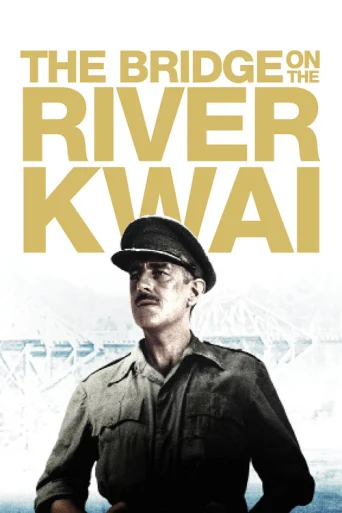
The Bridge on the River Kwai is a movie released in 1957.
In this gripping war drama, the harrowing experiences of English POWs in Burma unfold as they are forced to construct a vital bridge for their Japanese captors. What begins as a tale of survival quickly evolves into a complex exploration of pride, duty, and moral conflict. Colonel Nicholson, played masterfully, becomes increasingly invested in the bridge's completion, viewing it as a testament to British ingenuity, even as he unknowingly aids the enemy's war efforts. This internal struggle sets the stage for a riveting clash between loyalty and resistance, as British and American intelligence officers plot to destroy the structure, leading to a tense and thought-provoking climax. With stunning cinematography that captures the lush yet oppressive landscape of wartime Southeast Asia, the film draws viewers into the psychological depth of its characters. The nuanced portrayal of camaraderie, rivalry, and the human spirit under duress will resonate long after the credits roll. This cinematic masterpiece shines a light on the absurdities of war, challenging audiences to reflect on the cost of pride and the complexities of honor. It’s more than just a historical account; it’s a timeless commentary on the resilience of the human heart, making it a must-watch for anyone who appreciates powerful storytelling and rich character development.




















 Horizon Pictures