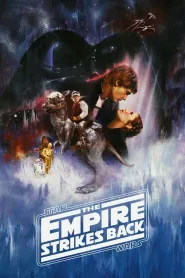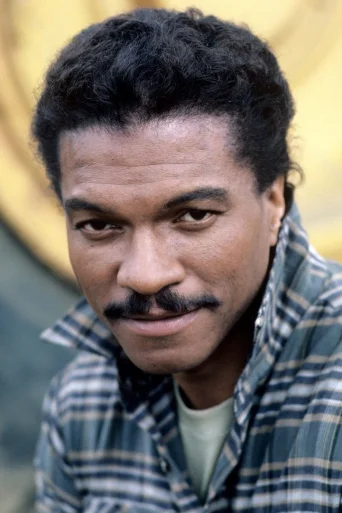
Billy Dee Williams, an iconic figure in the film industry, has captivated audiences with his charismatic performances and distinctive voice. Born on April 6, 1937, in New York City, New York, Williams has enjoyed a prolific career that spans over six decades. He is best known for his role as Lando Calrissian in the legendary "Star Wars" saga, appearing in "The Empire Strikes Back" (1980) and "Return of the Jedi" (1983). His portrayal of the smooth-talking gambler and pilot not only solidified his status as a Hollywood icon but also played a significant role in shaping the representation of African American characters in mainstream cinema.
Billy Dee Williams began his artistic journey at a young age, studying at the prestigious National Academy of Design and the Harlem School of the Arts. His early career saw him performing on stage, notably in the Broadway production of "The Firebrand" in 1965. Williams made his film debut in the 1959 film "The Last Angry Man," but it was his appearance in the 1972 film "Lady Sings the Blues," alongside Diana Ross, that marked his breakthrough. His nuanced performance earned him critical acclaim and opened doors to further opportunities in the industry.
Throughout his career, Billy Dee Williams has demonstrated remarkable versatility, showcasing his talents in a wide array of genres. In addition to his significant role in the "Star Wars" franchise, he appeared in notable films such as "Mahogany" (1975), "Nighthawks" (1981), and "The Bingo Long Traveling All-Stars & Motor Kings" (1976). His collaborations with renowned directors and fellow actors have enriched his filmography, allowing him to explore complex characters and deliver memorable performances that resonate with audiences.
As a testament to his enduring impact on the film industry, Billy Dee Williams has received numerous accolades throughout his career. He was honored with a star on the Hollywood Walk of Fame in 1985, recognizing his contributions to the world of entertainment. Over the years, he has remained a beloved figure not only for his work in film but also for his contributions to television, voice acting, and the art of storytelling.
Billy Dee Williams continues to inspire new generations of actors and filmmakers with his dedication to his craft and his ability to evolve artistically. His legacy is not only defined by his iconic roles but also by his pioneering spirit, which has paved the way for greater diversity in Hollywood. As he remains active in the industry, his influence endures, ensuring that he will be remembered as one of the greats in cinematic history.
Billy Dee Williams began his artistic journey at a young age, studying at the prestigious National Academy of Design and the Harlem School of the Arts. His early career saw him performing on stage, notably in the Broadway production of "The Firebrand" in 1965. Williams made his film debut in the 1959 film "The Last Angry Man," but it was his appearance in the 1972 film "Lady Sings the Blues," alongside Diana Ross, that marked his breakthrough. His nuanced performance earned him critical acclaim and opened doors to further opportunities in the industry.
Throughout his career, Billy Dee Williams has demonstrated remarkable versatility, showcasing his talents in a wide array of genres. In addition to his significant role in the "Star Wars" franchise, he appeared in notable films such as "Mahogany" (1975), "Nighthawks" (1981), and "The Bingo Long Traveling All-Stars & Motor Kings" (1976). His collaborations with renowned directors and fellow actors have enriched his filmography, allowing him to explore complex characters and deliver memorable performances that resonate with audiences.
As a testament to his enduring impact on the film industry, Billy Dee Williams has received numerous accolades throughout his career. He was honored with a star on the Hollywood Walk of Fame in 1985, recognizing his contributions to the world of entertainment. Over the years, he has remained a beloved figure not only for his work in film but also for his contributions to television, voice acting, and the art of storytelling.
Billy Dee Williams continues to inspire new generations of actors and filmmakers with his dedication to his craft and his ability to evolve artistically. His legacy is not only defined by his iconic roles but also by his pioneering spirit, which has paved the way for greater diversity in Hollywood. As he remains active in the industry, his influence endures, ensuring that he will be remembered as one of the greats in cinematic history.