Biografia nu este disponibilă în limba ta. Se afișează versiunea în engleză.
Alan Parker was a distinguished figure in the film industry, revered for his compelling storytelling and visual artistry. With a career spanning over four decades, Parker's contributions to cinema have left an indelible mark, earning him critical acclaim and a dedicated following. His ability to explore complex themes through a diverse array of genres solidified his status as one of Hollywood's most innovative directors.
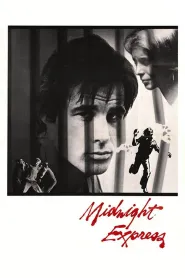
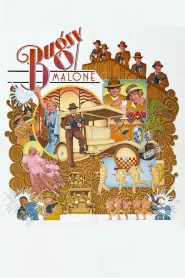
Parker began his career in the advertising industry, where he honed his visual storytelling skills before transitioning to film. His directorial debut came in 1976 with "Bugsy Malone," a whimsical musical that showcased his unique flair for blending genres. However, it was his 1978 film "Midnight Express" that catapulted him into the limelight, earning him Academy Award nominations and establishing him as a formidable director. The film's raw depiction of the harrowing experiences of drug trafficking resonated with audiences and critics alike, setting the tone for Parker’s subsequent works.
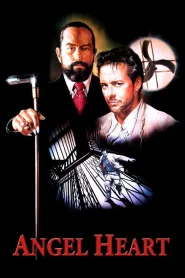
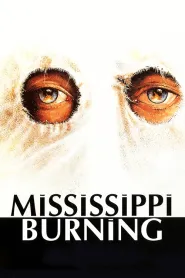
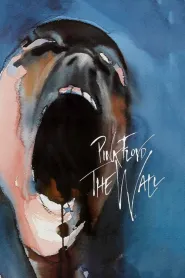
Throughout his illustrious career, Alan Parker created several iconic films that showcased his versatility and artistic evolution. "Angel Heart" (1987) combined elements of horror and neo-noir, demonstrating Parker's ability to navigate different cinematic styles. His 1982 adaptation of Pink Floyd's "The Wall" further exemplified his innovative approach, intertwining music and visual storytelling in a groundbreaking manner. The 1988 film "Mississippi Burning," which tackled the sensitive subject of racial hatred in America, earned him significant recognition and solidified his reputation as a director unafraid to confront difficult social issues.
Parker's collaborations with talented actors, including the likes of Mickey Rourke, Gene Hackman, and Kevin Spacey, brought out some of the most memorable performances in contemporary cinema. His adeptness at drawing nuanced performances from his cast further enhanced the emotional depth of his films. The 2003 drama "The Life of David Gale" showcased Parker's continued commitment to exploring moral dilemmas, leaving audiences captivated by his thought-provoking narratives.
Over the course of his career, Alan Parker received numerous accolades, including several BAFTA Awards and Golden Globe nominations. His films garnered international recognition, with some winning prestigious honors at film festivals around the world. Parker's legacy is not only defined by his impressive filmography but also by his profound impact on the art of filmmaking, inspiring future generations of directors to push the boundaries of creative expression in cinema. Alan Parker's remarkable journey through the world of film has solidified his place as a cinematic legend, whose works continue to be celebrated and studied for their artistic merit and cultural significance.
Parker began his career in the advertising industry, where he honed his visual storytelling skills before transitioning to film. His directorial debut came in 1976 with "Bugsy Malone," a whimsical musical that showcased his unique flair for blending genres. However, it was his 1978 film "Midnight Express" that catapulted him into the limelight, earning him Academy Award nominations and establishing him as a formidable director. The film's raw depiction of the harrowing experiences of drug trafficking resonated with audiences and critics alike, setting the tone for Parker’s subsequent works.
Throughout his illustrious career, Alan Parker created several iconic films that showcased his versatility and artistic evolution. "Angel Heart" (1987) combined elements of horror and neo-noir, demonstrating Parker's ability to navigate different cinematic styles. His 1982 adaptation of Pink Floyd's "The Wall" further exemplified his innovative approach, intertwining music and visual storytelling in a groundbreaking manner. The 1988 film "Mississippi Burning," which tackled the sensitive subject of racial hatred in America, earned him significant recognition and solidified his reputation as a director unafraid to confront difficult social issues.
Parker's collaborations with talented actors, including the likes of Mickey Rourke, Gene Hackman, and Kevin Spacey, brought out some of the most memorable performances in contemporary cinema. His adeptness at drawing nuanced performances from his cast further enhanced the emotional depth of his films. The 2003 drama "The Life of David Gale" showcased Parker's continued commitment to exploring moral dilemmas, leaving audiences captivated by his thought-provoking narratives.
Over the course of his career, Alan Parker received numerous accolades, including several BAFTA Awards and Golden Globe nominations. His films garnered international recognition, with some winning prestigious honors at film festivals around the world. Parker's legacy is not only defined by his impressive filmography but also by his profound impact on the art of filmmaking, inspiring future generations of directors to push the boundaries of creative expression in cinema. Alan Parker's remarkable journey through the world of film has solidified his place as a cinematic legend, whose works continue to be celebrated and studied for their artistic merit and cultural significance.