Biografia nu este disponibilă în limba ta. Se afișează versiunea în engleză.
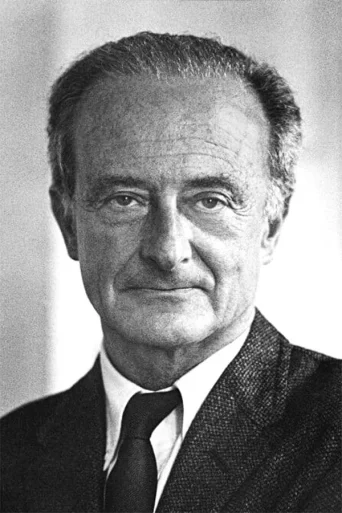
Fred Zinnemann was a seminal figure in American cinema, renowned for his ability to craft compelling narratives that resonated with audiences and critics alike. With a career that spanned several decades, Zinnemann left an indelible mark on the film industry through his masterful direction of some of the most iconic films of the 20th century. His work is characterized by a deep understanding of character and a keen eye for the moral complexities of human existence.
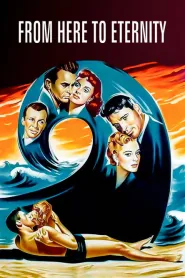
Born in Vienna, Austria, in 1907, Fred Zinnemann began his career in the early days of film, initially working in Europe before moving to Hollywood in the 1930s. His directorial debut came with the film "The Seventh Cross" in 1944, a powerful story that highlighted his talent for storytelling and his ability to evoke emotion from both his actors and the audience. However, it was "From Here to Eternity" (1953) that truly established Zinnemann as a master director; the film garnered eight Academy Awards and became a classic of American cinema, showcasing his skill in blending personal stories with larger social themes.
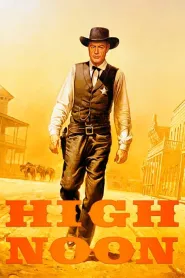
Zinnemann's artistic evolution continued throughout his career, as he tackled a diverse range of subjects and genres. In 1952, he directed "High Noon," a groundbreaking Western that redefined the genre and became a cultural touchstone, emphasizing moral integrity in the face of adversity. This film not only earned him critical acclaim but also solidified his status as a leading director in Hollywood. Zinnemann's collaboration with actors and writers was notable; he worked with talent such as Burt Lancaster, Montgomery Clift, and Meryl Streep, bringing out nuanced performances that elevated the material.
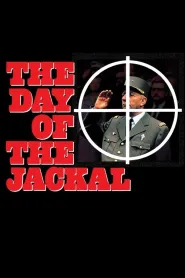
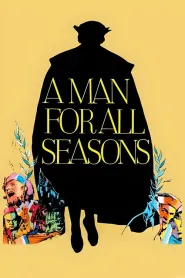
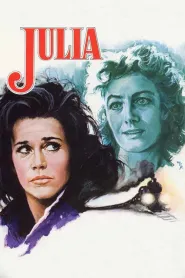
In addition to "High Noon" and "From Here to Eternity," Fred Zinnemann directed several other memorable films, including "A Man for All Seasons" (1966), which won six Academy Awards, and "The Day of the Jackal" (1973), a taut political thriller that showcased his versatility and precision as a filmmaker. His final film, "Julia" (1977), further exemplified his commitment to telling human stories, earning multiple nominations and acclaim for its rich performances and intricate storytelling.
Throughout his illustrious career, Fred Zinnemann received numerous accolades and recognition, including two Academy Awards for Best Director. His work has influenced generations of filmmakers and remains a benchmark for storytelling in cinema. Zinnemann's legacy endures through his films, which continue to be celebrated for their depth, artistry, and profound exploration of the human condition.
Born in Vienna, Austria, in 1907, Fred Zinnemann began his career in the early days of film, initially working in Europe before moving to Hollywood in the 1930s. His directorial debut came with the film "The Seventh Cross" in 1944, a powerful story that highlighted his talent for storytelling and his ability to evoke emotion from both his actors and the audience. However, it was "From Here to Eternity" (1953) that truly established Zinnemann as a master director; the film garnered eight Academy Awards and became a classic of American cinema, showcasing his skill in blending personal stories with larger social themes.
Zinnemann's artistic evolution continued throughout his career, as he tackled a diverse range of subjects and genres. In 1952, he directed "High Noon," a groundbreaking Western that redefined the genre and became a cultural touchstone, emphasizing moral integrity in the face of adversity. This film not only earned him critical acclaim but also solidified his status as a leading director in Hollywood. Zinnemann's collaboration with actors and writers was notable; he worked with talent such as Burt Lancaster, Montgomery Clift, and Meryl Streep, bringing out nuanced performances that elevated the material.
In addition to "High Noon" and "From Here to Eternity," Fred Zinnemann directed several other memorable films, including "A Man for All Seasons" (1966), which won six Academy Awards, and "The Day of the Jackal" (1973), a taut political thriller that showcased his versatility and precision as a filmmaker. His final film, "Julia" (1977), further exemplified his commitment to telling human stories, earning multiple nominations and acclaim for its rich performances and intricate storytelling.
Throughout his illustrious career, Fred Zinnemann received numerous accolades and recognition, including two Academy Awards for Best Director. His work has influenced generations of filmmakers and remains a benchmark for storytelling in cinema. Zinnemann's legacy endures through his films, which continue to be celebrated for their depth, artistry, and profound exploration of the human condition.