Biografia nu este disponibilă în limba ta. Se afișează versiunea în engleză.
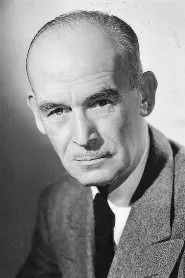
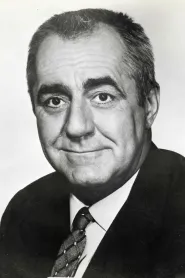
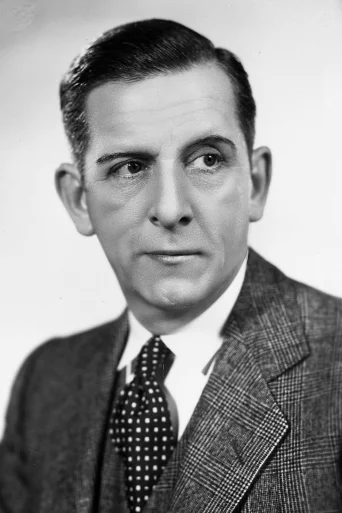
Edward Everett Horton was a distinguished American actor whose contributions to the film industry have left an indelible mark on both stage and screen. Born on March 18, 1886, in Brooklyn, New York City, Edward Everett Horton built a career that spanned over five decades, becoming a beloved figure in Hollywood known for his impeccable comedic timing and versatile performances. His ability to embody a wide range of characters allowed him to flourish in both film and theater, making him a significant presence in the golden age of American cinema.
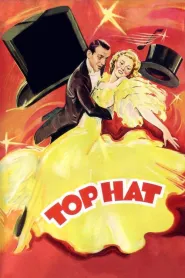
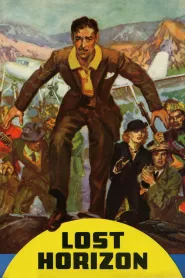
Horton’s early career began on the Broadway stage, where he showcased his talents in various productions. His theatrical background laid the groundwork for his transition to film, where he made his screen debut in 1921. His breakthrough roles came in the 1930s, particularly with iconic performances in films such as "Top Hat" (1935) and "Lost Horizon" (1937). In "Top Hat," Horton played the charmingly bumbling character, which solidified his status as a leading comedic actor of the era. His role in "Lost Horizon" further demonstrated his ability to navigate more dramatic narratives while retaining his comedic roots.
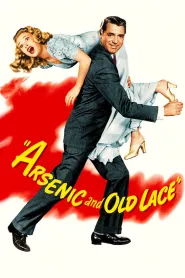
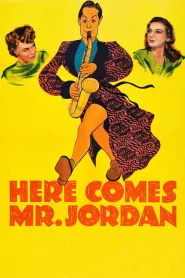
Throughout his career, Edward Everett Horton starred in a number of notable films that showcased his talent and versatility. Some of his most famous works include "Here Comes Mr. Jordan" (1941), "Arsenic and Old Lace" (1944), and the epic comedy "It's a Mad, Mad, Mad, Mad World" (1963). In these films, Horton displayed a remarkable ability to adapt to the comedic styles of the time while also collaborating with some of Hollywood's most prominent directors and actors, including Frank Capra and Cary Grant.
As his career progressed, Edward Everett Horton evolved as an actor, embracing a variety of roles that highlighted his range and depth. His performances often combined a sophisticated wit with a relatable charm, making him a favorite among audiences and critics alike. Horton’s artistic evolution was evident as he transitioned from silent films to the talkies, skillfully adapting to the changing landscape of the film industry.
Edward Everett Horton’s contributions to cinema were recognized with numerous accolades throughout his career. While he may not have received major awards during his lifetime, his work has been celebrated by film historians and fans alike. His legacy endures through his memorable performances and the influence he had on subsequent generations of actors. Edward Everett Horton passed away on September 29, 1970, but his remarkable body of work continues to resonate, ensuring his place as a cherished figure in the history of American film.
Horton’s early career began on the Broadway stage, where he showcased his talents in various productions. His theatrical background laid the groundwork for his transition to film, where he made his screen debut in 1921. His breakthrough roles came in the 1930s, particularly with iconic performances in films such as "Top Hat" (1935) and "Lost Horizon" (1937). In "Top Hat," Horton played the charmingly bumbling character, which solidified his status as a leading comedic actor of the era. His role in "Lost Horizon" further demonstrated his ability to navigate more dramatic narratives while retaining his comedic roots.
Throughout his career, Edward Everett Horton starred in a number of notable films that showcased his talent and versatility. Some of his most famous works include "Here Comes Mr. Jordan" (1941), "Arsenic and Old Lace" (1944), and the epic comedy "It's a Mad, Mad, Mad, Mad World" (1963). In these films, Horton displayed a remarkable ability to adapt to the comedic styles of the time while also collaborating with some of Hollywood's most prominent directors and actors, including Frank Capra and Cary Grant.
As his career progressed, Edward Everett Horton evolved as an actor, embracing a variety of roles that highlighted his range and depth. His performances often combined a sophisticated wit with a relatable charm, making him a favorite among audiences and critics alike. Horton’s artistic evolution was evident as he transitioned from silent films to the talkies, skillfully adapting to the changing landscape of the film industry.
Edward Everett Horton’s contributions to cinema were recognized with numerous accolades throughout his career. While he may not have received major awards during his lifetime, his work has been celebrated by film historians and fans alike. His legacy endures through his memorable performances and the influence he had on subsequent generations of actors. Edward Everett Horton passed away on September 29, 1970, but his remarkable body of work continues to resonate, ensuring his place as a cherished figure in the history of American film.