Biografia nu este disponibilă în limba ta. Se afișează versiunea în engleză.
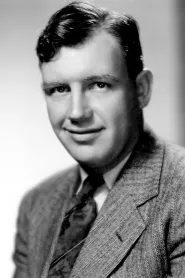
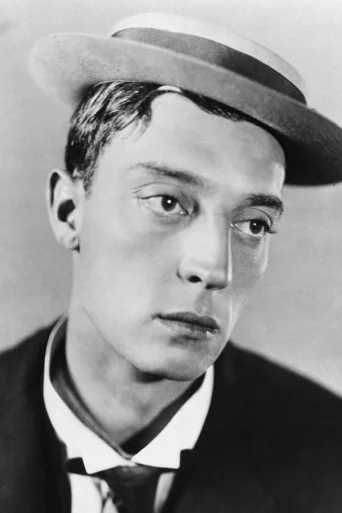
Buster Keaton, born on October 4, 1895, in Piqua, Kansas, stands as a towering figure in the annals of cinema, celebrated for his innovative contributions to the silent film era and his unique brand of physical comedy. Renowned for his deadpan expression and remarkable ability to perform intricate stunts, Keaton's work has left an indelible mark on the film industry, influencing generations of filmmakers and comedians alike.
Keaton's early career began in vaudeville, where he showcased his exceptional talent for physical comedy alongside his family. This background laid the groundwork for his transition to film, with his debut in the short film "The Butcher Boy" in 1917. His breakthrough came with a series of successful silent films, including "The Saphead" (1920) and "Our Hospitality" (1923), which showcased his innovative storytelling and impeccable timing. However, it was with "The General" (1926) that Buster Keaton truly cemented his status as a cinematic genius, crafting a masterful blend of comedy and action that remains a hallmark of his filmography.
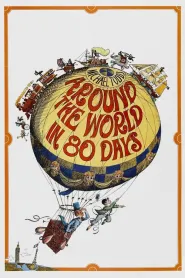
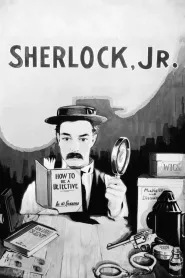
Throughout the 1920s, Buster Keaton created a string of iconic films, including "Sherlock Jr." (1924) and "Steamboat Bill, Jr." (1928), which displayed his unparalleled ability to combine visual gags with poignant narrative elements. His artistic evolution continued as he adapted to the changing landscape of Hollywood, eventually transitioning into sound films. Notable later works such as "Around the World in 80 Days" (1956) and "It's a Mad, Mad, Mad, Mad World" (1963) showcased Keaton's enduring talent and ability to appeal to new audiences, even as the industry evolved.
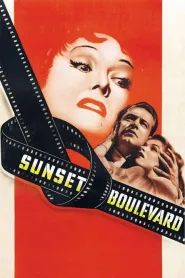
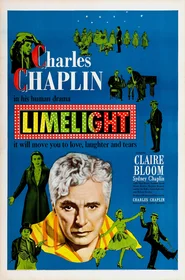
Buster Keaton's collaborations with prominent directors, including his work with Charlie Chaplin and the ensemble cast of "Sunset Boulevard" (1950), highlight the mutual respect he garnered within the filmmaking community. His innovative techniques, such as using elaborate sets and performing his own stunts, underscored his commitment to authenticity and creativity. Keaton's artistry did not go unrecognized; he received several accolades throughout his career, culminating in an Academy Award for Lifetime Achievement in 1954, solidifying his legacy as one of the greatest filmmakers in cinematic history.
Keaton's influence extends beyond his lifetime; his films continue to inspire modern filmmakers and comedians. Buster Keaton's contributions to the film industry transcend mere entertainment, embodying a spirit of innovation and creativity that defines the essence of cinema. He passed away on February 1, 1966, but his legacy endures, ensuring that his work remains celebrated and cherished by audiences around the world.
Keaton's early career began in vaudeville, where he showcased his exceptional talent for physical comedy alongside his family. This background laid the groundwork for his transition to film, with his debut in the short film "The Butcher Boy" in 1917. His breakthrough came with a series of successful silent films, including "The Saphead" (1920) and "Our Hospitality" (1923), which showcased his innovative storytelling and impeccable timing. However, it was with "The General" (1926) that Buster Keaton truly cemented his status as a cinematic genius, crafting a masterful blend of comedy and action that remains a hallmark of his filmography.
Throughout the 1920s, Buster Keaton created a string of iconic films, including "Sherlock Jr." (1924) and "Steamboat Bill, Jr." (1928), which displayed his unparalleled ability to combine visual gags with poignant narrative elements. His artistic evolution continued as he adapted to the changing landscape of Hollywood, eventually transitioning into sound films. Notable later works such as "Around the World in 80 Days" (1956) and "It's a Mad, Mad, Mad, Mad World" (1963) showcased Keaton's enduring talent and ability to appeal to new audiences, even as the industry evolved.
Buster Keaton's collaborations with prominent directors, including his work with Charlie Chaplin and the ensemble cast of "Sunset Boulevard" (1950), highlight the mutual respect he garnered within the filmmaking community. His innovative techniques, such as using elaborate sets and performing his own stunts, underscored his commitment to authenticity and creativity. Keaton's artistry did not go unrecognized; he received several accolades throughout his career, culminating in an Academy Award for Lifetime Achievement in 1954, solidifying his legacy as one of the greatest filmmakers in cinematic history.
Keaton's influence extends beyond his lifetime; his films continue to inspire modern filmmakers and comedians. Buster Keaton's contributions to the film industry transcend mere entertainment, embodying a spirit of innovation and creativity that defines the essence of cinema. He passed away on February 1, 1966, but his legacy endures, ensuring that his work remains celebrated and cherished by audiences around the world.