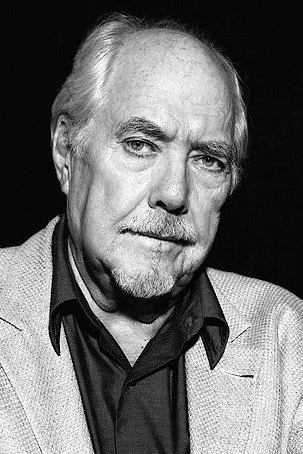
Robert Altman was a visionary American director known for his groundbreaking contributions to cinema. Born in Kansas City, Missouri, in 1925, Altman carved a unique niche in Hollywood with his innovative storytelling techniques and distinctive directorial style. His ability to weave intricate narratives and create rich, ensemble casts made him one of the most respected filmmakers of his generation.
Altman's early career began in the 1950s, primarily directing television shows and short films. However, it was in the late 1960s that he made his mark with the release of "M*A*S*H" (1970), a darkly comedic anti-war film that not only garnered critical acclaim but also achieved significant box office success. This film established Robert Altman as a major player in Hollywood, showcasing his talent for blending humor with poignant social commentary.
Throughout the 1970s and 1980s, Robert Altman continued to build an impressive filmography, directing notable works such as "Nashville" (1975), "McCabe & Mrs. Miller" (1971), and "The Long Goodbye" (1973). Each film displayed Altman’s signature style, characterized by overlapping dialogue, a focus on ensemble casts, and a keen eye for the absurdities of human nature. His collaboration with actors such as Lily Tomlin, Elliott Gould, and Shelley Duvall became synonymous with the rich character-driven narratives that defined his work.
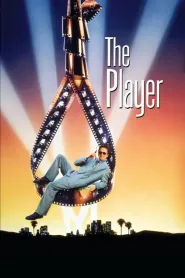
One of Altman's most acclaimed films, "The Player" (1992), offered a satirical glimpse into the inner workings of Hollywood, showcasing his ability to critique the film industry while delivering a compelling narrative. This film not only reaffirmed his status as a master filmmaker but also earned him multiple award nominations, including the Best Director nod at the Academy Awards. Robert Altman’s artistic evolution throughout his career was marked by a willingness to experiment with form and genre, leaving an indelible mark on the landscape of American cinema.
In recognition of his contributions to film, Robert Altman received numerous accolades, including an Academy Award for Lifetime Achievement in 2006, shortly before his passing. His legacy continues to inspire filmmakers and audiences alike, as his unique vision and innovative storytelling remain influential in the world of cinema. Robert Altman's work serves as a testament to the power of film as a medium for both entertainment and profound commentary on the human experience.
Altman's early career began in the 1950s, primarily directing television shows and short films. However, it was in the late 1960s that he made his mark with the release of "M*A*S*H" (1970), a darkly comedic anti-war film that not only garnered critical acclaim but also achieved significant box office success. This film established Robert Altman as a major player in Hollywood, showcasing his talent for blending humor with poignant social commentary.
Throughout the 1970s and 1980s, Robert Altman continued to build an impressive filmography, directing notable works such as "Nashville" (1975), "McCabe & Mrs. Miller" (1971), and "The Long Goodbye" (1973). Each film displayed Altman’s signature style, characterized by overlapping dialogue, a focus on ensemble casts, and a keen eye for the absurdities of human nature. His collaboration with actors such as Lily Tomlin, Elliott Gould, and Shelley Duvall became synonymous with the rich character-driven narratives that defined his work.
One of Altman's most acclaimed films, "The Player" (1992), offered a satirical glimpse into the inner workings of Hollywood, showcasing his ability to critique the film industry while delivering a compelling narrative. This film not only reaffirmed his status as a master filmmaker but also earned him multiple award nominations, including the Best Director nod at the Academy Awards. Robert Altman’s artistic evolution throughout his career was marked by a willingness to experiment with form and genre, leaving an indelible mark on the landscape of American cinema.
In recognition of his contributions to film, Robert Altman received numerous accolades, including an Academy Award for Lifetime Achievement in 2006, shortly before his passing. His legacy continues to inspire filmmakers and audiences alike, as his unique vision and innovative storytelling remain influential in the world of cinema. Robert Altman's work serves as a testament to the power of film as a medium for both entertainment and profound commentary on the human experience.