Lilly Wachowski, born in 1967 in Chicago, Illinois, is a prominent filmmaker and director known for her innovative contributions to the film industry. She gained international acclaim as one half of the Wachowski siblings, whose groundbreaking work has pushed the boundaries of storytelling within the science fiction genre. With a career spanning several decades, Lilly Wachowski has become a significant figure in Hollywood, recognized for her distinctive visual style and thought-provoking narratives.
Lilly Wachowski began her career in the 1990s with the release of "Bound" (1996), a neo-noir crime thriller that showcased her unique approach to filmmaking and storytelling. The film was not only a critical success but also marked the first collaboration with her sister, Lana Wachowski. This partnership laid the groundwork for their most iconic work, the "Matrix" franchise, which began with "The Matrix" (1999). This film revolutionized the action genre, combining philosophical concepts with groundbreaking visual effects, and established Lilly as a visionary director.
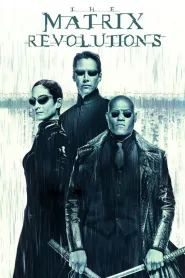
Following the success of "The Matrix," Lilly Wachowski co-directed its sequels, "The Matrix Reloaded" (2003) and "The Matrix Revolutions" (2003), further solidifying her place in cinematic history. The franchise's influence extended beyond film, inspiring a generation of filmmakers and audiences alike. In addition to the "Matrix" films, Lilly also collaborated with notable actors and directors on ambitious projects such as "Cloud Atlas" (2012), which showcased her ability to weave intricate narratives across multiple timelines and genres.
Throughout her career, Lilly Wachowski's artistic evolution has been marked by a commitment to exploring themes of identity, reality, and human connection. Her work often challenges societal norms and invites audiences to reflect on their own perceptions of the world. In recent years, she has continued to push creative boundaries, including her involvement in the Netflix series "Sense8," which highlights her passion for inclusive storytelling and representation.
Lilly Wachowski's contributions to cinema have not gone unnoticed; she has received numerous accolades and nominations throughout her career, earning recognition from prestigious organizations. Her work continues to resonate with audiences worldwide, and her legacy as a pioneering filmmaker remains firmly established within the annals of Hollywood history. Lilly Wachowski's vision and creativity continue to inspire, making her an enduring figure in the evolution of modern cinema.
Lilly Wachowski began her career in the 1990s with the release of "Bound" (1996), a neo-noir crime thriller that showcased her unique approach to filmmaking and storytelling. The film was not only a critical success but also marked the first collaboration with her sister, Lana Wachowski. This partnership laid the groundwork for their most iconic work, the "Matrix" franchise, which began with "The Matrix" (1999). This film revolutionized the action genre, combining philosophical concepts with groundbreaking visual effects, and established Lilly as a visionary director.
Following the success of "The Matrix," Lilly Wachowski co-directed its sequels, "The Matrix Reloaded" (2003) and "The Matrix Revolutions" (2003), further solidifying her place in cinematic history. The franchise's influence extended beyond film, inspiring a generation of filmmakers and audiences alike. In addition to the "Matrix" films, Lilly also collaborated with notable actors and directors on ambitious projects such as "Cloud Atlas" (2012), which showcased her ability to weave intricate narratives across multiple timelines and genres.
Throughout her career, Lilly Wachowski's artistic evolution has been marked by a commitment to exploring themes of identity, reality, and human connection. Her work often challenges societal norms and invites audiences to reflect on their own perceptions of the world. In recent years, she has continued to push creative boundaries, including her involvement in the Netflix series "Sense8," which highlights her passion for inclusive storytelling and representation.
Lilly Wachowski's contributions to cinema have not gone unnoticed; she has received numerous accolades and nominations throughout her career, earning recognition from prestigious organizations. Her work continues to resonate with audiences worldwide, and her legacy as a pioneering filmmaker remains firmly established within the annals of Hollywood history. Lilly Wachowski's vision and creativity continue to inspire, making her an enduring figure in the evolution of modern cinema.