Monica Bellucci is an acclaimed Italian actress and model, recognized for her captivating performances and timeless beauty. Born in 1964 in Città di Castello, Umbria, Italy, Bellucci has carved a niche for herself in the film industry, becoming a prominent figure in both European and Hollywood cinema. Her ability to convey deep emotion and complexity has made her a sought-after talent among renowned directors and a favorite among audiences worldwide.
Monica Bellucci's early career began in the fashion world, where she initially gained fame as a model. Her transition to acting was seamless, with her film debut in the Italian film "La Riffa" (1991). However, it was her breakthrough role in Francis Ford Coppola's "Bram Stoker's Dracula" (1992) that propelled her into international stardom. This film showcased her ethereal presence and acting prowess, leading to a series of significant roles that would define her career.
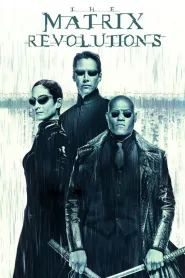
Throughout her filmography, Monica Bellucci has collaborated with some of the most acclaimed directors in the industry, including the likes of Mel Gibson in "The Passion of the Christ" (2004) and the Wachowskis in "The Matrix Reloaded" (2003) and "The Matrix Revolutions" (2003). Her performances have consistently demonstrated her versatility, effortlessly transitioning between dramatic and romantic roles. Bellucci's artistic evolution is evident in her choice of projects, often gravitating towards complex characters that challenge societal norms.
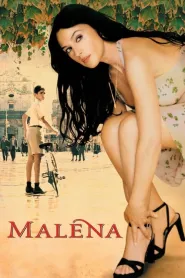
Among her most notable films are "Malèna" (2000), where she portrayed a hauntingly beautiful widow, and "Irreversible" (2002), a film that pushed the boundaries of narrative storytelling. These performances not only solidified her status as a serious actress but also garnered critical acclaim, showcasing her ability to tackle controversial and demanding subject matter. Monica Bellucci's dedication to her craft has earned her numerous accolades, including nominations for prestigious awards such as the David di Donatello and the European Film Award.
In recognition of her contributions to film and her status as an icon of femininity, Monica Bellucci continues to be a significant figure in both European and Hollywood cinema. With a career spanning over three decades, she remains a testament to the power of performance and the art of storytelling, influencing a new generation of actors and captivating audiences around the globe.
Monica Bellucci's early career began in the fashion world, where she initially gained fame as a model. Her transition to acting was seamless, with her film debut in the Italian film "La Riffa" (1991). However, it was her breakthrough role in Francis Ford Coppola's "Bram Stoker's Dracula" (1992) that propelled her into international stardom. This film showcased her ethereal presence and acting prowess, leading to a series of significant roles that would define her career.
Throughout her filmography, Monica Bellucci has collaborated with some of the most acclaimed directors in the industry, including the likes of Mel Gibson in "The Passion of the Christ" (2004) and the Wachowskis in "The Matrix Reloaded" (2003) and "The Matrix Revolutions" (2003). Her performances have consistently demonstrated her versatility, effortlessly transitioning between dramatic and romantic roles. Bellucci's artistic evolution is evident in her choice of projects, often gravitating towards complex characters that challenge societal norms.
Among her most notable films are "Malèna" (2000), where she portrayed a hauntingly beautiful widow, and "Irreversible" (2002), a film that pushed the boundaries of narrative storytelling. These performances not only solidified her status as a serious actress but also garnered critical acclaim, showcasing her ability to tackle controversial and demanding subject matter. Monica Bellucci's dedication to her craft has earned her numerous accolades, including nominations for prestigious awards such as the David di Donatello and the European Film Award.
In recognition of her contributions to film and her status as an icon of femininity, Monica Bellucci continues to be a significant figure in both European and Hollywood cinema. With a career spanning over three decades, she remains a testament to the power of performance and the art of storytelling, influencing a new generation of actors and captivating audiences around the globe.