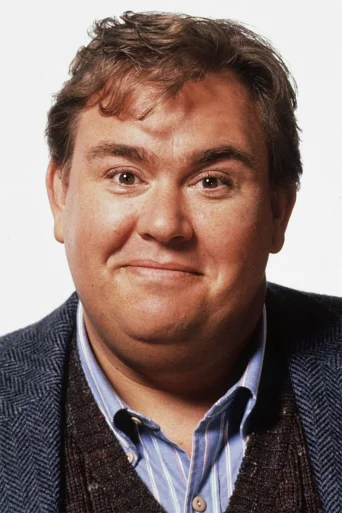
John Candy was a beloved Canadian actor known for his remarkable talent in both comedic and dramatic roles, leaving an indelible mark on the film industry. Born on October 31, 1950, in Toronto, Ontario, Canada, John Candy's charismatic presence and ability to evoke laughter and empathy made him a cherished figure in Hollywood. His career spanned over two decades, and he became synonymous with a unique brand of humor that resonated with audiences around the world.
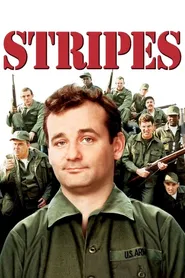
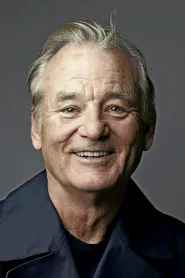
John Candy's early career began in the 1970s when he gained recognition as a member of the renowned sketch comedy troupe Second City Television (SCTV). His work on SCTV showcased his exceptional improvisational skills and versatility, paving the way for his transition to film. Candy made his feature film debut in "Class of 1984" (1982), but it was his role in "Stripes" (1981) alongside Bill Murray that truly established him as a comedic force in Hollywood. His ability to blend humor with heartfelt moments set the stage for what would become a remarkable filmography.
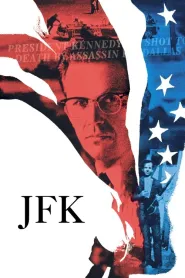
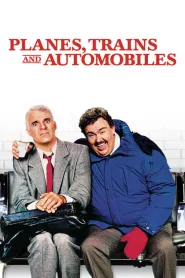
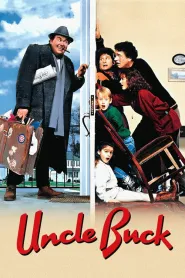
Throughout the 1980s and early 1990s, John Candy starred in several iconic films that solidified his status as a leading actor. Notable performances in "Planes, Trains and Automobiles" (1987) and "Uncle Buck" (1989) showcased his extraordinary talent for bringing warmth and depth to his characters. Candy's impressive range was further exemplified in dramatic roles, such as his poignant performance in Oliver Stone's "JFK" (1991), where he demonstrated his ability to tackle serious subjects with grace.
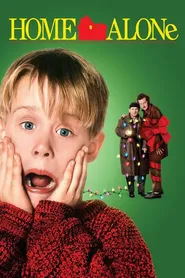
Collaborations with celebrated directors, such as John Hughes, were instrumental in shaping John Candy's career. His partnership with Hughes yielded some of his most memorable performances, and the duo's films often explored themes of family, friendship, and the human experience. In "Home Alone" (1990), Candy delivered a memorable cameo that added a layer of comedic charm to a beloved holiday classic, further endearing him to audiences.
As John Candy's artistic evolution unfolded, he garnered numerous accolades for his contributions to film, including several Canadian Comedy Awards and a posthumous star on the Hollywood Walk of Fame. His untimely passing in 1994 left a void in the industry, but his legacy endures through his timeless performances and the joy he brought to many. John Candy remains an iconic figure in cinema, celebrated for his ability to connect with audiences and evoke genuine emotion through the art of acting.
John Candy's early career began in the 1970s when he gained recognition as a member of the renowned sketch comedy troupe Second City Television (SCTV). His work on SCTV showcased his exceptional improvisational skills and versatility, paving the way for his transition to film. Candy made his feature film debut in "Class of 1984" (1982), but it was his role in "Stripes" (1981) alongside Bill Murray that truly established him as a comedic force in Hollywood. His ability to blend humor with heartfelt moments set the stage for what would become a remarkable filmography.
Throughout the 1980s and early 1990s, John Candy starred in several iconic films that solidified his status as a leading actor. Notable performances in "Planes, Trains and Automobiles" (1987) and "Uncle Buck" (1989) showcased his extraordinary talent for bringing warmth and depth to his characters. Candy's impressive range was further exemplified in dramatic roles, such as his poignant performance in Oliver Stone's "JFK" (1991), where he demonstrated his ability to tackle serious subjects with grace.
Collaborations with celebrated directors, such as John Hughes, were instrumental in shaping John Candy's career. His partnership with Hughes yielded some of his most memorable performances, and the duo's films often explored themes of family, friendship, and the human experience. In "Home Alone" (1990), Candy delivered a memorable cameo that added a layer of comedic charm to a beloved holiday classic, further endearing him to audiences.
As John Candy's artistic evolution unfolded, he garnered numerous accolades for his contributions to film, including several Canadian Comedy Awards and a posthumous star on the Hollywood Walk of Fame. His untimely passing in 1994 left a void in the industry, but his legacy endures through his timeless performances and the joy he brought to many. John Candy remains an iconic figure in cinema, celebrated for his ability to connect with audiences and evoke genuine emotion through the art of acting.