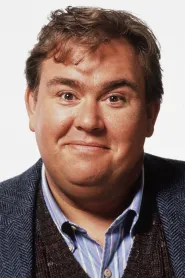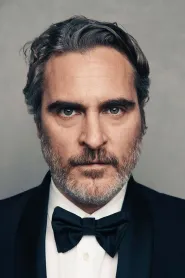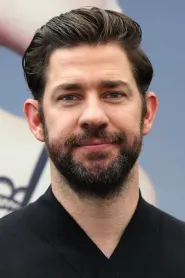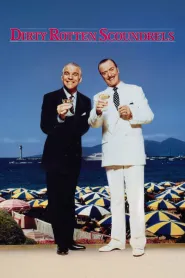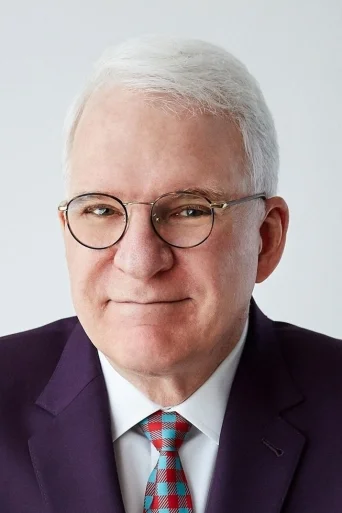
Steve Martin is a celebrated American actor, comedian, writer, and musician, whose multifaceted career has made him a significant figure in the entertainment industry. Born on August 14, 1945, in Waco, Texas, Steve Martin's unique blend of wit and charm has captivated audiences for decades. Known for his distinctive style of comedy and his remarkable performances in both film and television, Martin has left an indelible mark on Hollywood.
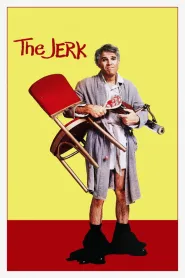
Steve Martin's early career began in the 1960s as a stand-up comedian, where his unique approach to humor quickly garnered attention. He made his television debut as a writer for "The Smothers Brothers Comedy Hour," earning an Emmy Award for his contributions. By the 1970s, he had transitioned from television to film, with his breakthrough role in "The Jerk" (1979) establishing him as a leading comedic force. This film showcased Martin's ability to blend absurdity with heartfelt moments, a hallmark of his performances.
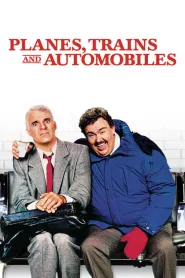
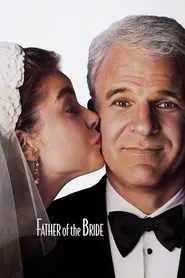
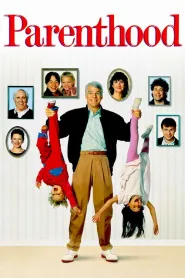
Throughout the 1980s and beyond, Steve Martin starred in an array of notable films, including "Parenthood" (1989), where he played a devoted father navigating the challenges of family life. His performances in "Planes, Trains and Automobiles" (1987) and "Father of the Bride" (1991) further solidified his status as a quintessential family comedy star. Collaborating with iconic directors such as Carl Reiner and Frank Oz, Martin's versatility allowed him to explore both comedic and dramatic roles, showcasing his artistic evolution over the years.
In addition to his film work, Steve Martin has made significant contributions to theater and literature, authoring several best-selling books and plays. His ability to seamlessly transition between different forms of entertainment speaks to his diverse talents and creative vision. Martin has received numerous accolades throughout his career, including the prestigious Mark Twain Prize for American Humor, underscoring his influence on the comedic landscape.
With an impressive filmography and a career spanning over five decades, Steve Martin remains an enduring figure in Hollywood. His work continues to inspire new generations of artists, and his legacy as a pioneer in comedy and film is firmly established. As he forges ahead in both his personal and professional pursuits, Steve Martin's contributions to the arts will continue to resonate for years to come.
Steve Martin's early career began in the 1960s as a stand-up comedian, where his unique approach to humor quickly garnered attention. He made his television debut as a writer for "The Smothers Brothers Comedy Hour," earning an Emmy Award for his contributions. By the 1970s, he had transitioned from television to film, with his breakthrough role in "The Jerk" (1979) establishing him as a leading comedic force. This film showcased Martin's ability to blend absurdity with heartfelt moments, a hallmark of his performances.
Throughout the 1980s and beyond, Steve Martin starred in an array of notable films, including "Parenthood" (1989), where he played a devoted father navigating the challenges of family life. His performances in "Planes, Trains and Automobiles" (1987) and "Father of the Bride" (1991) further solidified his status as a quintessential family comedy star. Collaborating with iconic directors such as Carl Reiner and Frank Oz, Martin's versatility allowed him to explore both comedic and dramatic roles, showcasing his artistic evolution over the years.
In addition to his film work, Steve Martin has made significant contributions to theater and literature, authoring several best-selling books and plays. His ability to seamlessly transition between different forms of entertainment speaks to his diverse talents and creative vision. Martin has received numerous accolades throughout his career, including the prestigious Mark Twain Prize for American Humor, underscoring his influence on the comedic landscape.
With an impressive filmography and a career spanning over five decades, Steve Martin remains an enduring figure in Hollywood. His work continues to inspire new generations of artists, and his legacy as a pioneer in comedy and film is firmly established. As he forges ahead in both his personal and professional pursuits, Steve Martin's contributions to the arts will continue to resonate for years to come.