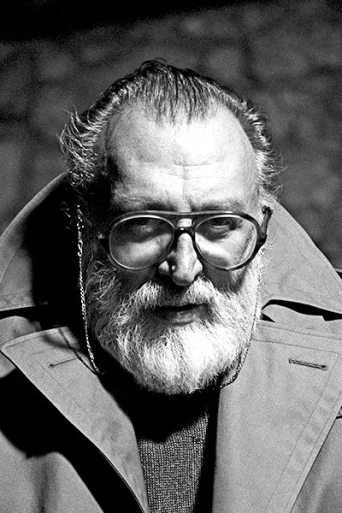
Sergio Leone, born in 1929 in Rome, Italy, stands as one of the most influential directors in the history of cinema. Renowned for his unique approach to storytelling and visual composition, Leone revolutionized the Western genre and left an indelible mark on Hollywood filmmaking. His innovative techniques and stylistic flair have inspired countless filmmakers and shaped the landscape of modern cinema.
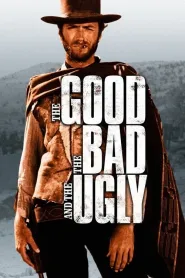
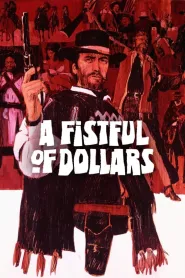
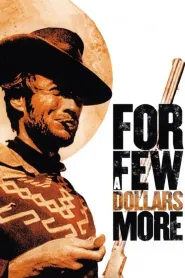
Leone began his career in the film industry during the late 1940s, working as an assistant director and script supervisor. His debut as a director came in 1961 with "A Fistful of Dollars," a film that would set the stage for his groundbreaking work in the Spaghetti Western subgenre. This film, along with its sequels "For a Few Dollars More" (1965) and "The Good, the Bad and the Ugly" (1966), not only established Leone's signature style but also catapulted him to international fame. "The Good, the Bad and the Ugly," in particular, is considered a classic, showcasing Leone's talent for creating tension and memorable characters against sweeping landscapes.
Throughout his career, Sergio Leone collaborated with prominent actors such as Clint Eastwood, who became synonymous with the roles in Leone's Westerns. This partnership helped redefine the archetypal Western hero, establishing Eastwood as a cultural icon. Additionally, Leone worked with legendary composer Ennio Morricone, whose memorable scores played an essential role in enhancing the emotional depth of Leone's films. Their collaboration resulted in some of the most iconic music in film history, further elevating the cinematic experience.
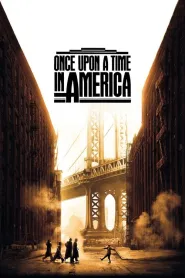
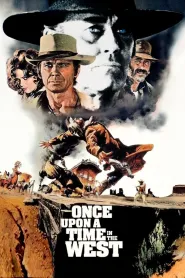
Leone's artistic evolution continued with films like "Once Upon a Time in the West" (1968) and "Once Upon a Time in America" (1984), both of which reflect his ambition to explore deeper themes of morality, loyalty, and the passage of time. These works demonstrate not only his mastery of the Western genre but also his ability to transcend it, delving into complex narratives that resonate beyond typical genre constraints.
Sergio Leone's contributions to cinema earned him numerous accolades and international recognition, solidifying his legacy as a pioneering filmmaker. His influence can be seen in contemporary filmmaking, where his stylistic choices and narrative techniques continue to inspire directors across various genres. Leone's films invite audiences to experience the art of storytelling in a profoundly engaging way, ensuring that his work remains celebrated long after his passing in 1989.
Leone began his career in the film industry during the late 1940s, working as an assistant director and script supervisor. His debut as a director came in 1961 with "A Fistful of Dollars," a film that would set the stage for his groundbreaking work in the Spaghetti Western subgenre. This film, along with its sequels "For a Few Dollars More" (1965) and "The Good, the Bad and the Ugly" (1966), not only established Leone's signature style but also catapulted him to international fame. "The Good, the Bad and the Ugly," in particular, is considered a classic, showcasing Leone's talent for creating tension and memorable characters against sweeping landscapes.
Throughout his career, Sergio Leone collaborated with prominent actors such as Clint Eastwood, who became synonymous with the roles in Leone's Westerns. This partnership helped redefine the archetypal Western hero, establishing Eastwood as a cultural icon. Additionally, Leone worked with legendary composer Ennio Morricone, whose memorable scores played an essential role in enhancing the emotional depth of Leone's films. Their collaboration resulted in some of the most iconic music in film history, further elevating the cinematic experience.
Leone's artistic evolution continued with films like "Once Upon a Time in the West" (1968) and "Once Upon a Time in America" (1984), both of which reflect his ambition to explore deeper themes of morality, loyalty, and the passage of time. These works demonstrate not only his mastery of the Western genre but also his ability to transcend it, delving into complex narratives that resonate beyond typical genre constraints.
Sergio Leone's contributions to cinema earned him numerous accolades and international recognition, solidifying his legacy as a pioneering filmmaker. His influence can be seen in contemporary filmmaking, where his stylistic choices and narrative techniques continue to inspire directors across various genres. Leone's films invite audiences to experience the art of storytelling in a profoundly engaging way, ensuring that his work remains celebrated long after his passing in 1989.