Stephen Frears is a distinguished British film director, celebrated for his versatile storytelling and keen ability to navigate various genres. Born in 1941 in Leicester, England, Frears has made an indelible mark on the film industry with a career that spans over four decades. His unique vision and adeptness at blending drama with elements of comedy have garnered him critical acclaim and a loyal following of cinephiles.
Frears began his career in the 1960s, initially working in television before transitioning to feature films. His directorial debut came with the 1971 film "Gumshoe," which showcased his knack for blending wit with darker themes. However, it was the 1985 release of "My Beautiful Laundrette" that truly established Stephen Frears as a significant filmmaker. This groundbreaking film, which explored issues of identity and class in 1980s Britain, not only received widespread acclaim but also marked the beginning of Frears' collaboration with actor Daniel Day-Lewis, further solidifying his reputation in the industry.
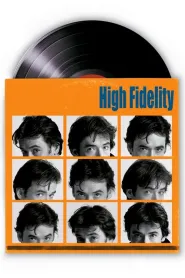
Throughout his career, Stephen Frears has helmed several notable films that have left a lasting impact on audiences and critics alike. Among his most famous works is "High Fidelity" (2000), a romantic comedy that offered a fresh take on love and relationships through the lens of a record store owner, played by John Cusack. The film's clever script and engaging performances contributed to its status as a cult classic, showcasing Frears' ability to blend humor with poignant insights into human emotions.
Frears' artistic evolution is evident in his diverse filmography, which includes acclaimed works such as "The Queen" (2006), which examined the monarchy's response to Princess Diana's death, and "Philomena" (2013), a heartfelt drama based on a true story that highlighted themes of faith and forgiveness. His ability to tackle complex subjects with sensitivity and nuance has earned him numerous accolades, including Academy Award nominations and BAFTA victories.
Stephen Frears continues to be an influential figure in Hollywood and beyond, with his films often reflecting the intricate tapestry of human experiences. His contributions to cinema have not only entertained but also sparked important conversations, cementing his legacy as one of the most respected directors in contemporary filmmaking. As Frears evolves with each project, audiences eagerly anticipate the next chapter in his remarkable career.
Frears began his career in the 1960s, initially working in television before transitioning to feature films. His directorial debut came with the 1971 film "Gumshoe," which showcased his knack for blending wit with darker themes. However, it was the 1985 release of "My Beautiful Laundrette" that truly established Stephen Frears as a significant filmmaker. This groundbreaking film, which explored issues of identity and class in 1980s Britain, not only received widespread acclaim but also marked the beginning of Frears' collaboration with actor Daniel Day-Lewis, further solidifying his reputation in the industry.
Throughout his career, Stephen Frears has helmed several notable films that have left a lasting impact on audiences and critics alike. Among his most famous works is "High Fidelity" (2000), a romantic comedy that offered a fresh take on love and relationships through the lens of a record store owner, played by John Cusack. The film's clever script and engaging performances contributed to its status as a cult classic, showcasing Frears' ability to blend humor with poignant insights into human emotions.
Frears' artistic evolution is evident in his diverse filmography, which includes acclaimed works such as "The Queen" (2006), which examined the monarchy's response to Princess Diana's death, and "Philomena" (2013), a heartfelt drama based on a true story that highlighted themes of faith and forgiveness. His ability to tackle complex subjects with sensitivity and nuance has earned him numerous accolades, including Academy Award nominations and BAFTA victories.
Stephen Frears continues to be an influential figure in Hollywood and beyond, with his films often reflecting the intricate tapestry of human experiences. His contributions to cinema have not only entertained but also sparked important conversations, cementing his legacy as one of the most respected directors in contemporary filmmaking. As Frears evolves with each project, audiences eagerly anticipate the next chapter in his remarkable career.