Uma Thurman is a celebrated American actress known for her versatile performances and iconic roles that have left an indelible mark on Hollywood. Born on April 29, 1970, in Boston, Massachusetts, Thurman emerged as a formidable talent in the film industry, captivating audiences with her unique blend of beauty, strength, and depth. Her significant contributions to cinema have established her as one of the most recognizable figures in contemporary film.
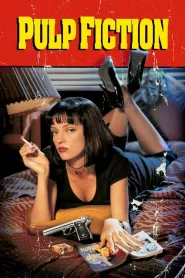
Thurman's early career began in the late 1980s, when she made her debut in the film "Kiss Daddy Goodnight" (1996). However, it was her collaboration with acclaimed director Quentin Tarantino that propelled her into the limelight. Her portrayal of Mia Wallace in "Pulp Fiction" (1994) not only showcased her talent but also became a cultural touchstone, earning her an Academy Award nomination for Best Supporting Actress. This breakthrough role established Uma Thurman as a leading actress in Hollywood, and she continued to build on her success with a series of memorable performances.
One of Thurman's most celebrated projects is the "Kill Bill" series, released in two volumes in 2003 and 2004. In these films, she took on the role of The Bride, a fierce and vengeful assassin seeking retribution. Her powerful performances, combined with Tarantino's distinctive style, solidified her status as an action star and garnered her critical acclaim. The series not only showcased her physical prowess but also demonstrated her ability to convey complex emotions, further highlighting her artistic evolution throughout her career.
In addition to her work with Tarantino, Uma Thurman has collaborated with a variety of esteemed directors and actors, contributing to a diverse filmography that spans genres. From romantic comedies like "My Super Ex-Girlfriend" (2006) to dramatic roles in films like "Beautiful Girls" (1996), her versatility has allowed her to tackle a wide range of characters. Her performances have not only earned her a Golden Globe Award but also a lasting legacy in the industry.
Throughout her career, Uma Thurman has received numerous accolades and international recognition for her contributions to film. With her ability to both charm and challenge audiences, she remains a significant figure in Hollywood, inspiring a new generation of actors. As she continues to evolve in her craft, Uma Thurman’s impact on the film industry is undeniable, making her a timeless icon in cinema.
Thurman's early career began in the late 1980s, when she made her debut in the film "Kiss Daddy Goodnight" (1996). However, it was her collaboration with acclaimed director Quentin Tarantino that propelled her into the limelight. Her portrayal of Mia Wallace in "Pulp Fiction" (1994) not only showcased her talent but also became a cultural touchstone, earning her an Academy Award nomination for Best Supporting Actress. This breakthrough role established Uma Thurman as a leading actress in Hollywood, and she continued to build on her success with a series of memorable performances.
One of Thurman's most celebrated projects is the "Kill Bill" series, released in two volumes in 2003 and 2004. In these films, she took on the role of The Bride, a fierce and vengeful assassin seeking retribution. Her powerful performances, combined with Tarantino's distinctive style, solidified her status as an action star and garnered her critical acclaim. The series not only showcased her physical prowess but also demonstrated her ability to convey complex emotions, further highlighting her artistic evolution throughout her career.
In addition to her work with Tarantino, Uma Thurman has collaborated with a variety of esteemed directors and actors, contributing to a diverse filmography that spans genres. From romantic comedies like "My Super Ex-Girlfriend" (2006) to dramatic roles in films like "Beautiful Girls" (1996), her versatility has allowed her to tackle a wide range of characters. Her performances have not only earned her a Golden Globe Award but also a lasting legacy in the industry.
Throughout her career, Uma Thurman has received numerous accolades and international recognition for her contributions to film. With her ability to both charm and challenge audiences, she remains a significant figure in Hollywood, inspiring a new generation of actors. As she continues to evolve in her craft, Uma Thurman’s impact on the film industry is undeniable, making her a timeless icon in cinema.