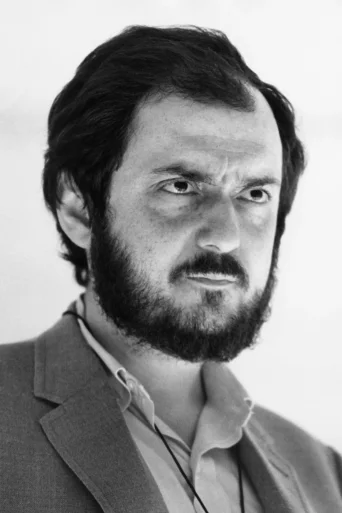
Stanley Kubrick was a pioneering American director whose innovative storytelling and meticulous attention to detail revolutionized the film industry. Born in New York City in 1928, Kubrick emerged as one of the most influential filmmakers of the 20th century, known for his daring explorations of complex themes and groundbreaking visual techniques. His work spans a variety of genres, each marked by a distinct style that challenges audiences and reshapes cinematic conventions.
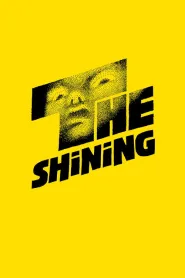
Kubrick's entry into filmmaking began as a photographer for Look magazine, where he honed his visual aesthetic. His directorial debut came with the 1953 film "Fear and Desire." However, it was his subsequent projects that solidified his status as a visionary artist. Films such as "Dr. Strangelove or: How I Learned to Stop Worrying and Love the Bomb" (1964) showcased his ability to blend dark humor with poignant commentary on societal issues. Kubrick's talent for creating tension and atmosphere became evident in works like "The Shining" (1980), a horror masterpiece that remains a touchstone in the genre.
One of Kubrick's most acclaimed films, "2001: A Space Odyssey" (1968), marked a significant evolution in science fiction cinema. The film's groundbreaking special effects and philosophical depth set a new standard for the genre. "A Clockwork Orange" (1971) further demonstrated his penchant for exploring the darker aspects of humanity, while "Full Metal Jacket" (1987) offered a harrowing look at the Vietnam War and its psychological toll on soldiers. Each of these films not only garnered critical acclaim but also sparked discussions that transcended the screen, making Kubrick a formidable presence in Hollywood.
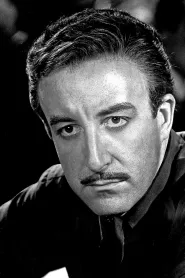
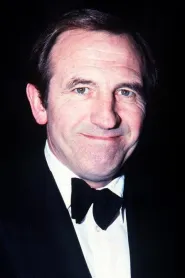
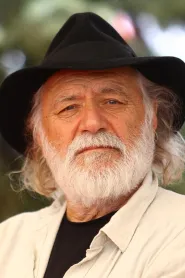
Throughout his career, Stanley Kubrick collaborated with a range of talented actors and influential directors, consistently pushing the boundaries of what cinema could achieve. His meticulous approach to filmmaking earned him an Academy Award for Best Visual Effects for "2001: A Space Odyssey," reflecting his mastery of the craft. Kubrick's films have received numerous accolades and continue to inspire filmmakers and audiences alike, solidifying his legacy as a true cinematic icon.
Kubrick's artistic evolution is evident in his diverse filmography, which spans from the stark realism of "Paths of Glory" (1957) to the erotic psychological drama of "Eyes Wide Shut" (1999), his final film. Even after his passing in 1999, Stanley Kubrick's work remains a touchstone for filmmakers and cinephiles, his influence palpable in contemporary cinema. As a master of the art form, Kubrick's unique vision and enduring contributions ensure his place in the pantheon of great directors in film history.
Kubrick's entry into filmmaking began as a photographer for Look magazine, where he honed his visual aesthetic. His directorial debut came with the 1953 film "Fear and Desire." However, it was his subsequent projects that solidified his status as a visionary artist. Films such as "Dr. Strangelove or: How I Learned to Stop Worrying and Love the Bomb" (1964) showcased his ability to blend dark humor with poignant commentary on societal issues. Kubrick's talent for creating tension and atmosphere became evident in works like "The Shining" (1980), a horror masterpiece that remains a touchstone in the genre.
One of Kubrick's most acclaimed films, "2001: A Space Odyssey" (1968), marked a significant evolution in science fiction cinema. The film's groundbreaking special effects and philosophical depth set a new standard for the genre. "A Clockwork Orange" (1971) further demonstrated his penchant for exploring the darker aspects of humanity, while "Full Metal Jacket" (1987) offered a harrowing look at the Vietnam War and its psychological toll on soldiers. Each of these films not only garnered critical acclaim but also sparked discussions that transcended the screen, making Kubrick a formidable presence in Hollywood.
Throughout his career, Stanley Kubrick collaborated with a range of talented actors and influential directors, consistently pushing the boundaries of what cinema could achieve. His meticulous approach to filmmaking earned him an Academy Award for Best Visual Effects for "2001: A Space Odyssey," reflecting his mastery of the craft. Kubrick's films have received numerous accolades and continue to inspire filmmakers and audiences alike, solidifying his legacy as a true cinematic icon.
Kubrick's artistic evolution is evident in his diverse filmography, which spans from the stark realism of "Paths of Glory" (1957) to the erotic psychological drama of "Eyes Wide Shut" (1999), his final film. Even after his passing in 1999, Stanley Kubrick's work remains a touchstone for filmmakers and cinephiles, his influence palpable in contemporary cinema. As a master of the art form, Kubrick's unique vision and enduring contributions ensure his place in the pantheon of great directors in film history.