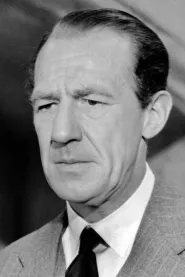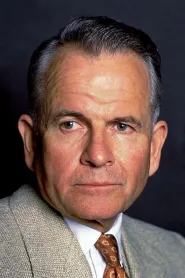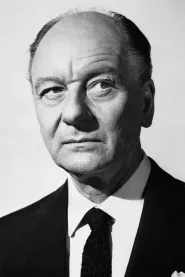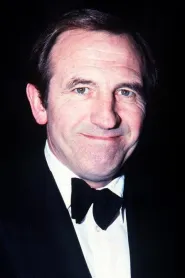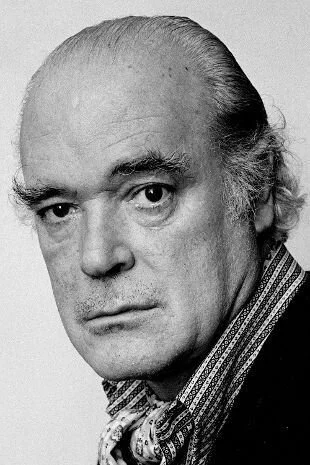
Patrick Magee was a distinguished Irish actor, celebrated for his intense performances and remarkable presence on both stage and screen. Born in 1922 in Armagh, Northern Ireland, Magee's career spanned several decades, during which he left a significant mark on the film industry. With a unique ability to embody complex characters, he became a respected figure in Hollywood and beyond, earning recognition for his contributions to cinema and theater.
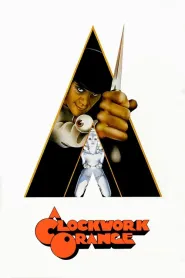
Magee commenced his acting career in the late 1940s, initially performing in various stage productions, where he honed his craft. His theatrical background provided him with a solid foundation that would later serve him well in film. His breakthrough came with the role of Mr. Alexander in Stanley Kubrick’s iconic 1971 film, "A Clockwork Orange." This performance not only showcased Magee’s exceptional talent but also solidified his status as a prominent actor in the industry. His portrayal of the tortured character resonated with audiences, further establishing him as a force to be reckoned with in the world of film.
Throughout his career, Patrick Magee collaborated with notable directors and actors, enhancing his filmography with a diverse array of roles. He worked alongside acclaimed filmmakers such as John Frankenheimer and Roman Polanski, contributing to films that would become staples of cinematic history. His ability to adapt to various genres and characters highlighted his versatility, ranging from dramatic roles to more eccentric portrayals, each marked by his distinctive style and depth.
In addition to "A Clockwork Orange," Magee's extensive filmography includes notable works like "The Birthday Party" (1968) and "The Fearless Vampire Killers" (1967). His performances often garnered critical acclaim, leading to international recognition and accolades from esteemed film institutions. As a reflection of his talent, Magee was nominated for various awards, underscoring his impact on the film community.
Patrick Magee's artistic evolution throughout his career is a testament to his dedication to the craft of acting. His commitment to portraying intricate characters with nuance and authenticity has left an indelible mark on the industry. Magee's legacy lives on, inspiring future generations of actors who aspire to achieve the same level of excellence that he exemplified during his lifetime. His contributions to cinema remain celebrated, ensuring that his work continues to resonate with audiences long after his passing in 1982.
Magee commenced his acting career in the late 1940s, initially performing in various stage productions, where he honed his craft. His theatrical background provided him with a solid foundation that would later serve him well in film. His breakthrough came with the role of Mr. Alexander in Stanley Kubrick’s iconic 1971 film, "A Clockwork Orange." This performance not only showcased Magee’s exceptional talent but also solidified his status as a prominent actor in the industry. His portrayal of the tortured character resonated with audiences, further establishing him as a force to be reckoned with in the world of film.
Throughout his career, Patrick Magee collaborated with notable directors and actors, enhancing his filmography with a diverse array of roles. He worked alongside acclaimed filmmakers such as John Frankenheimer and Roman Polanski, contributing to films that would become staples of cinematic history. His ability to adapt to various genres and characters highlighted his versatility, ranging from dramatic roles to more eccentric portrayals, each marked by his distinctive style and depth.
In addition to "A Clockwork Orange," Magee's extensive filmography includes notable works like "The Birthday Party" (1968) and "The Fearless Vampire Killers" (1967). His performances often garnered critical acclaim, leading to international recognition and accolades from esteemed film institutions. As a reflection of his talent, Magee was nominated for various awards, underscoring his impact on the film community.
Patrick Magee's artistic evolution throughout his career is a testament to his dedication to the craft of acting. His commitment to portraying intricate characters with nuance and authenticity has left an indelible mark on the industry. Magee's legacy lives on, inspiring future generations of actors who aspire to achieve the same level of excellence that he exemplified during his lifetime. His contributions to cinema remain celebrated, ensuring that his work continues to resonate with audiences long after his passing in 1982.