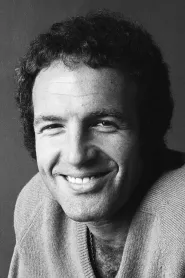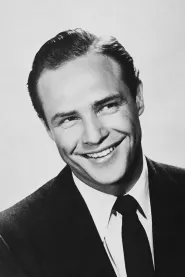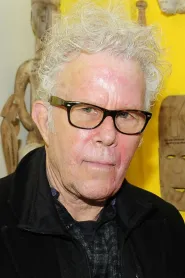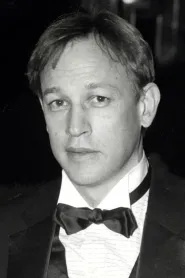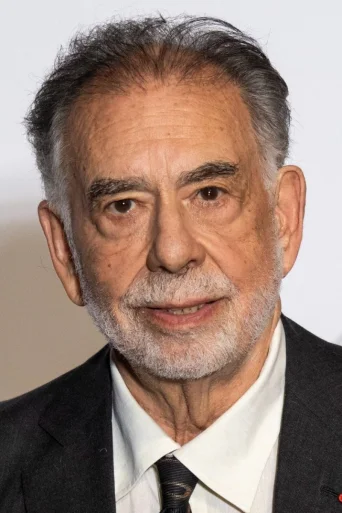
Francis Ford Coppola is a towering figure in the world of cinema, celebrated for his profound contributions as a director, producer, and screenwriter. Born in 1939 in Detroit, Michigan, Coppola emerged as a pioneer of the New Hollywood movement during the 1970s, a period that redefined American cinema. His innovative storytelling and masterful craftsmanship have left an indelible mark on the film industry, making him a significant influence on generations of filmmakers.
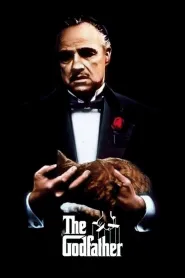
Coppola's early career began in the 1960s, where he gained recognition for his work on films like "You're a Big Boy Now" (1966) and "The Rain People" (1969). However, it was with the release of "The Godfather" in 1972 that he achieved monumental success. This groundbreaking film not only garnered critical acclaim but also became a cultural touchstone, establishing Coppola as a major force in Hollywood. The film's intricate portrayal of the Italian-American mafia and its exploration of power dynamics resonated with audiences worldwide.
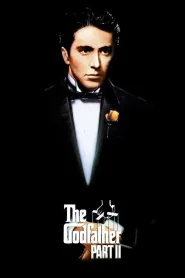
Following the success of "The Godfather," Coppola continued to solidify his legacy with "The Godfather Part II" (1974), which is often regarded as one of the greatest sequels in film history. This film further expanded the narrative universe established in its predecessor, delving deeper into themes of family, loyalty, and ambition. Coppola's ambitious vision was not limited to the crime genre; his masterpiece "Apocalypse Now" (1979) reimagined the Vietnam War narrative through a surreal and haunting lens, earning him critical acclaim and further accolades.
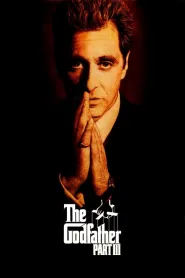
Throughout his illustrious career, Francis Ford Coppola has collaborated with some of the most talented actors and filmmakers in the industry. His work with Al Pacino, Marlon Brando, and Robert Duvall in "The Godfather" series created iconic performances that have become benchmarks in acting. Coppola's artistic evolution is evident in his later works, including "Bram Stoker's Dracula" (1992), which showcased his ability to blend genres and push creative boundaries.
Coppola's contributions to film have not gone unrecognized. He has won multiple prestigious awards, including Academy Awards and Golden Globes, affirming his status as a master storyteller. His influence extends beyond his own films, as he has inspired countless directors and writers to explore bold narratives and complex characters. As a filmmaker, Francis Ford Coppola remains a pivotal figure in the cinematic landscape, whose works continue to resonate with audiences and challenge the conventions of storytelling in film.
Coppola's early career began in the 1960s, where he gained recognition for his work on films like "You're a Big Boy Now" (1966) and "The Rain People" (1969). However, it was with the release of "The Godfather" in 1972 that he achieved monumental success. This groundbreaking film not only garnered critical acclaim but also became a cultural touchstone, establishing Coppola as a major force in Hollywood. The film's intricate portrayal of the Italian-American mafia and its exploration of power dynamics resonated with audiences worldwide.
Following the success of "The Godfather," Coppola continued to solidify his legacy with "The Godfather Part II" (1974), which is often regarded as one of the greatest sequels in film history. This film further expanded the narrative universe established in its predecessor, delving deeper into themes of family, loyalty, and ambition. Coppola's ambitious vision was not limited to the crime genre; his masterpiece "Apocalypse Now" (1979) reimagined the Vietnam War narrative through a surreal and haunting lens, earning him critical acclaim and further accolades.
Throughout his illustrious career, Francis Ford Coppola has collaborated with some of the most talented actors and filmmakers in the industry. His work with Al Pacino, Marlon Brando, and Robert Duvall in "The Godfather" series created iconic performances that have become benchmarks in acting. Coppola's artistic evolution is evident in his later works, including "Bram Stoker's Dracula" (1992), which showcased his ability to blend genres and push creative boundaries.
Coppola's contributions to film have not gone unrecognized. He has won multiple prestigious awards, including Academy Awards and Golden Globes, affirming his status as a master storyteller. His influence extends beyond his own films, as he has inspired countless directors and writers to explore bold narratives and complex characters. As a filmmaker, Francis Ford Coppola remains a pivotal figure in the cinematic landscape, whose works continue to resonate with audiences and challenge the conventions of storytelling in film.