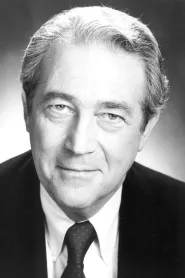
Oliver Stone, born in 1946 in New York City, is a distinguished American director, screenwriter, and producer renowned for his provocative storytelling and incisive exploration of historical events. With a career spanning several decades, Oliver Stone has established himself as a formidable voice in Hollywood, known for his willingness to confront complex themes and challenge conventional narratives through his compelling films.
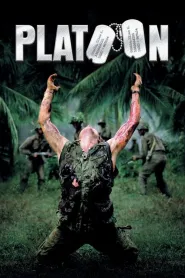
Stone's early career began in the 1970s, where he initially found success as a screenwriter, earning critical acclaim for his work on films such as "Midnight Express" (1978) and "Scarface" (1983). However, it was his directorial debut, "Seizure" (1974), that marked the beginning of his journey as a filmmaker. Stone's breakthrough came with the release of "Platoon" in 1986, a harrowing depiction of the Vietnam War that not only won him an Academy Award for Best Director but also solidified his reputation as a director capable of delivering powerful narratives that resonate with audiences.
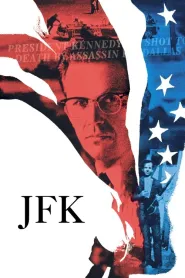
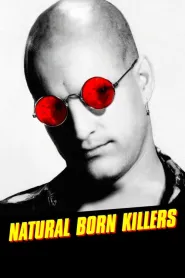
Throughout the 1990s, Oliver Stone continued to push the boundaries of storytelling with films like "JFK" (1991), which delves into the conspiracy surrounding the assassination of President John F. Kennedy, and "Natural Born Killers" (1994), a satirical critique of media sensationalism. His film "Wall Street" (1987) introduced the iconic character Gordon Gekko, played by Michael Douglas, and explored the moral ambiguities of corporate greed, earning Stone a second Academy Award for Best Original Screenplay. Another significant work, "Born on the Fourth of July" (1989), showcased the struggles of a Vietnam veteran, further exemplifying Stone's commitment to addressing social and political issues through his films.
Oliver Stone's artistic evolution is marked by his willingness to tackle controversial subjects, often intertwining personal narratives with broader historical contexts. Collaborating with a range of notable actors, including Tom Cruise, Al Pacino, and Michael Douglas, Stone’s films have garnered both critical acclaim and commercial success. His unique storytelling style and unwavering focus on the human experience have earned him recognition not only in the United States but also on international platforms, making him a celebrated figure in global cinema.
Over the years, Oliver Stone has received numerous accolades for his contributions to film, including three Academy Awards and a Golden Globe Award for Best Director. As a filmmaker who continually challenges audiences to reflect on the world around them, Stone's legacy is defined by his fearless exploration of the complexities of American history and culture, ensuring that his work remains relevant and impactful in the landscape of contemporary cinema.
Stone's early career began in the 1970s, where he initially found success as a screenwriter, earning critical acclaim for his work on films such as "Midnight Express" (1978) and "Scarface" (1983). However, it was his directorial debut, "Seizure" (1974), that marked the beginning of his journey as a filmmaker. Stone's breakthrough came with the release of "Platoon" in 1986, a harrowing depiction of the Vietnam War that not only won him an Academy Award for Best Director but also solidified his reputation as a director capable of delivering powerful narratives that resonate with audiences.
Throughout the 1990s, Oliver Stone continued to push the boundaries of storytelling with films like "JFK" (1991), which delves into the conspiracy surrounding the assassination of President John F. Kennedy, and "Natural Born Killers" (1994), a satirical critique of media sensationalism. His film "Wall Street" (1987) introduced the iconic character Gordon Gekko, played by Michael Douglas, and explored the moral ambiguities of corporate greed, earning Stone a second Academy Award for Best Original Screenplay. Another significant work, "Born on the Fourth of July" (1989), showcased the struggles of a Vietnam veteran, further exemplifying Stone's commitment to addressing social and political issues through his films.
Oliver Stone's artistic evolution is marked by his willingness to tackle controversial subjects, often intertwining personal narratives with broader historical contexts. Collaborating with a range of notable actors, including Tom Cruise, Al Pacino, and Michael Douglas, Stone’s films have garnered both critical acclaim and commercial success. His unique storytelling style and unwavering focus on the human experience have earned him recognition not only in the United States but also on international platforms, making him a celebrated figure in global cinema.
Over the years, Oliver Stone has received numerous accolades for his contributions to film, including three Academy Awards and a Golden Globe Award for Best Director. As a filmmaker who continually challenges audiences to reflect on the world around them, Stone's legacy is defined by his fearless exploration of the complexities of American history and culture, ensuring that his work remains relevant and impactful in the landscape of contemporary cinema.