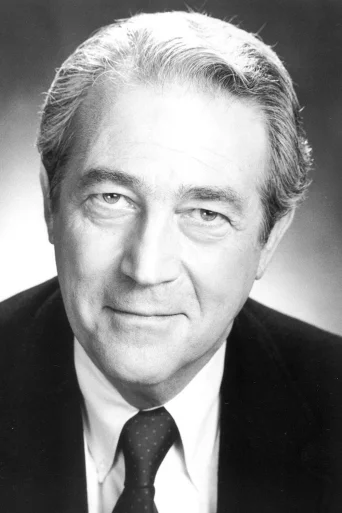
James Karen, born in 1923 in Wilkes-Barre, Pennsylvania, was a remarkable American actor whose career spanned over six decades. Renowned for his versatile performances, James Karen left an indelible mark on both film and television, establishing himself as a beloved character actor in Hollywood. His ability to seamlessly transition from drama to comedy made him a sought-after talent in an industry that values versatility and depth.
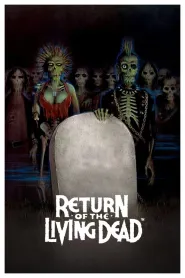
James Karen began his career in the early 1950s, initially making a name for himself in theater before transitioning to film and television. His film debut came with the 1955 release of "The Caine Mutiny," where he showcased his talent alongside a stellar cast. However, it was his role as the memorable character Frank in the cult classic "The Return of the Living Dead" (1985) that solidified his status as a horror icon. This film, known for its blend of humor and horror, offered Karen the opportunity to display both his dramatic prowess and comedic timing, further establishing his place in cinematic history.
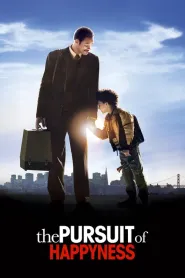
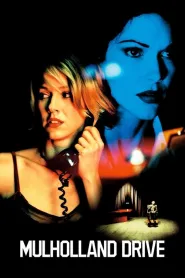
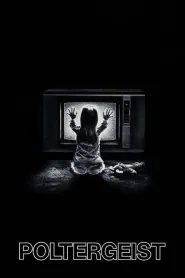
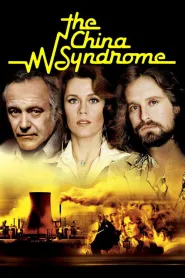
Throughout his career, James Karen worked with some of the industry's most respected directors and actors. He appeared in significant films such as "The China Syndrome" (1979), where he demonstrated his ability to tackle complex themes, and "Poltergeist" (1982), in which his performance contributed to the film's enduring legacy as a horror classic. Additionally, his role in "The Pursuit of Happyness" (2006) showcased his capacity to adapt to contemporary narratives, proving that his talents were not confined to a single genre. Karen's collaboration with director David Lynch in "Mulholland Drive" (2001) further exemplified his artistic evolution, as he embraced more avant-garde projects that challenged conventional storytelling.
Over the years, James Karen garnered critical acclaim and recognition for his contributions to film. His performances earned him a loyal fan base and respect from his peers, highlighting his ability to breathe life into a wide array of characters. With a filmography that spans genres and decades, Karen's work remains influential, reflecting the richness of his artistic journey.
James Karen passed away in 2018, leaving behind a legacy that continues to inspire aspiring actors and filmmakers alike. His profound impact on the film industry is celebrated through his memorable performances, reminding audiences of the power of storytelling and the craft of acting. As a distinguished figure in Hollywood, James Karen will always be remembered for his dedication to his craft and his remarkable contributions to cinema.
James Karen began his career in the early 1950s, initially making a name for himself in theater before transitioning to film and television. His film debut came with the 1955 release of "The Caine Mutiny," where he showcased his talent alongside a stellar cast. However, it was his role as the memorable character Frank in the cult classic "The Return of the Living Dead" (1985) that solidified his status as a horror icon. This film, known for its blend of humor and horror, offered Karen the opportunity to display both his dramatic prowess and comedic timing, further establishing his place in cinematic history.
Throughout his career, James Karen worked with some of the industry's most respected directors and actors. He appeared in significant films such as "The China Syndrome" (1979), where he demonstrated his ability to tackle complex themes, and "Poltergeist" (1982), in which his performance contributed to the film's enduring legacy as a horror classic. Additionally, his role in "The Pursuit of Happyness" (2006) showcased his capacity to adapt to contemporary narratives, proving that his talents were not confined to a single genre. Karen's collaboration with director David Lynch in "Mulholland Drive" (2001) further exemplified his artistic evolution, as he embraced more avant-garde projects that challenged conventional storytelling.
Over the years, James Karen garnered critical acclaim and recognition for his contributions to film. His performances earned him a loyal fan base and respect from his peers, highlighting his ability to breathe life into a wide array of characters. With a filmography that spans genres and decades, Karen's work remains influential, reflecting the richness of his artistic journey.
James Karen passed away in 2018, leaving behind a legacy that continues to inspire aspiring actors and filmmakers alike. His profound impact on the film industry is celebrated through his memorable performances, reminding audiences of the power of storytelling and the craft of acting. As a distinguished figure in Hollywood, James Karen will always be remembered for his dedication to his craft and his remarkable contributions to cinema.