Synopsis
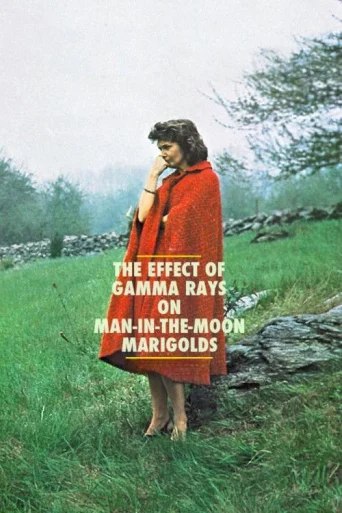
The Effect of Gamma Rays on Man-in-the-Moon Marigolds is a movie released in 1972.
In a world where dreams often clash with harsh realities, a middle-aged widow navigates the tumultuous waters of life alongside her two daughters, each grappling with their own struggles. Beatrice Hunsdorfer, portrayed with raw intensity, is a woman caught between her unfulfilled aspirations of opening an elegant tea room and the chaotic existence that envelopes her family. As the matriarch, her frustrations bubble over in a poignant portrayal of motherhood, ambition, and despair. Meanwhile, her rebellious daughter Ruth, battling her own demons, and the introverted yet brilliant Matilda, who seeks refuge in her school projects and beloved pets, reveal the complexities of their intertwined lives. What sets this film apart is its profound exploration of resilience against the backdrop of societal indifference. The use of Matilda's science experiment to illustrate the effects of gamma rays on marigolds becomes a powerful metaphor for the impact of external forces on their fragile existence. Each character's journey resonates with themes of hope, identity, and the pursuit of happiness amid adversity. With its compelling performances and rich emotional depth, this gripping drama invites viewers to reflect on the delicate balance between aspirations and the harsh truths of life, making it a must-watch for those who appreciate stories of resilience and the human spirit.

















 20th Century Fox
 Newman-Foreman Company