Biografia nu este disponibilă în limba ta. Se afișează versiunea în engleză.
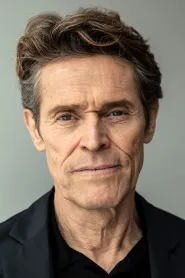
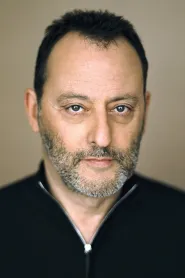
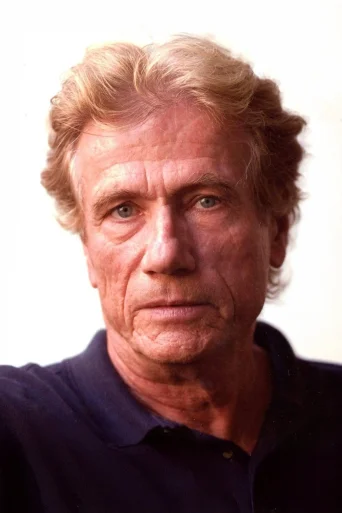
Jürgen Prochnow is a distinguished German actor whose impactful performances have left an indelible mark on both European and Hollywood cinema. Renowned for his versatility and commanding presence, Prochnow gained international acclaim through a series of notable roles that showcased his exceptional talent. His career spans several decades, during which he has become a respected figure in the film industry, celebrated for his contributions to both dramatic and genre films.
Born on June 10, 1941, in Berlin, Jürgen Prochnow began his acting journey in the late 1960s, primarily working in German television and theater. His breakthrough role came in 1981 with the release of Wolfgang Petersen's critically acclaimed film "Das Boot." In this World War II epic, Prochnow portrayed the stoic U-boat captain Günter Grass, a performance that not only solidified his status as a leading actor but also introduced him to a broader audience. The film's success earned him widespread recognition and established Prochnow as a prominent figure in international cinema.
Following this pivotal role, Jürgen Prochnow continued to expand his filmography with a diverse array of characters. He appeared in "Beverly Hills Cop II" (1987), where he showcased his flair for comedy alongside Eddie Murphy. His performance in John Carpenter's horror film "In the Mouth of Madness" (1994) further demonstrated his ability to traverse genres, adding depth to his already impressive repertoire. Prochnow's collaborations with acclaimed directors and actors continued to elevate his career, culminating in his appearances in major films such as "The Da Vinci Code" (2006) and "The English Patient" (1996), both of which received critical acclaim and numerous awards.
Throughout his career, Jürgen Prochnow's artistic evolution has been marked by a willingness to take on challenging and diverse roles. He has consistently pushed the boundaries of his craft, transitioning seamlessly from intense dramatic performances to lighter comedic roles. This versatility has not only endeared him to audiences but has also garnered him international recognition, including nominations for prestigious awards.
In addition to his film work, Jürgen Prochnow remains active in television and theater, continually seeking new opportunities to engage with audiences. His legacy in the film industry is firmly established, with a filmography that reflects both his talent and his commitment to the craft of acting. As he continues to take on new projects, Jürgen Prochnow remains a significant figure whose contributions to cinema will be celebrated for years to come.
Born on June 10, 1941, in Berlin, Jürgen Prochnow began his acting journey in the late 1960s, primarily working in German television and theater. His breakthrough role came in 1981 with the release of Wolfgang Petersen's critically acclaimed film "Das Boot." In this World War II epic, Prochnow portrayed the stoic U-boat captain Günter Grass, a performance that not only solidified his status as a leading actor but also introduced him to a broader audience. The film's success earned him widespread recognition and established Prochnow as a prominent figure in international cinema.
Following this pivotal role, Jürgen Prochnow continued to expand his filmography with a diverse array of characters. He appeared in "Beverly Hills Cop II" (1987), where he showcased his flair for comedy alongside Eddie Murphy. His performance in John Carpenter's horror film "In the Mouth of Madness" (1994) further demonstrated his ability to traverse genres, adding depth to his already impressive repertoire. Prochnow's collaborations with acclaimed directors and actors continued to elevate his career, culminating in his appearances in major films such as "The Da Vinci Code" (2006) and "The English Patient" (1996), both of which received critical acclaim and numerous awards.
Throughout his career, Jürgen Prochnow's artistic evolution has been marked by a willingness to take on challenging and diverse roles. He has consistently pushed the boundaries of his craft, transitioning seamlessly from intense dramatic performances to lighter comedic roles. This versatility has not only endeared him to audiences but has also garnered him international recognition, including nominations for prestigious awards.
In addition to his film work, Jürgen Prochnow remains active in television and theater, continually seeking new opportunities to engage with audiences. His legacy in the film industry is firmly established, with a filmography that reflects both his talent and his commitment to the craft of acting. As he continues to take on new projects, Jürgen Prochnow remains a significant figure whose contributions to cinema will be celebrated for years to come.