Biografia nu este disponibilă în limba ta. Se afișează versiunea în engleză.
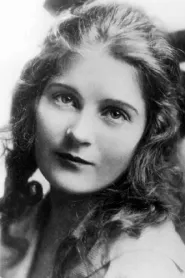
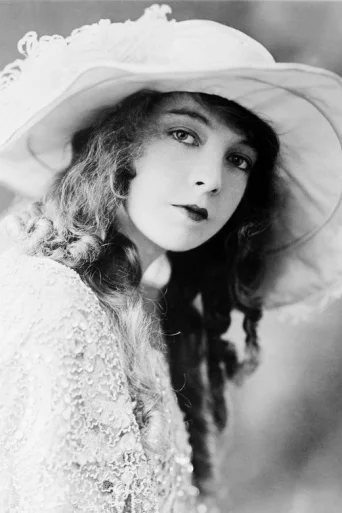
Lillian Gish, often hailed as the "First Lady of American Cinema," made an indelible mark on the film industry through her pioneering performances and artistic vision. Born on October 14, 1893, in Springfield, Ohio, Gish's career spanned over seven decades, establishing her as one of the most significant figures in the history of cinema. Her contributions to the silent film era and her seamless transition into talkies exemplify her versatility and enduring talent.
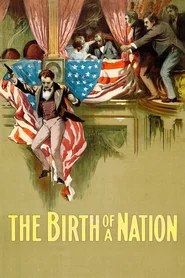
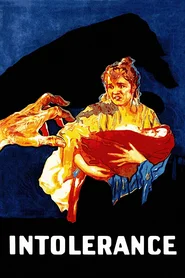
Gish began her acting career at a young age, performing in stage productions before making her film debut in 1912. Her breakthrough came when she collaborated with director D.W. Griffith, starring in landmark films such as "The Birth of a Nation" (1915) and "Intolerance: Love's Struggle Throughout the Ages" (1916). These films not only showcased her exceptional emotional depth and expressive ability but also reflected the innovative storytelling techniques that Griffith was pioneering at the time. Gish's portrayal of complex characters solidified her status as a leading actress of the silent era.
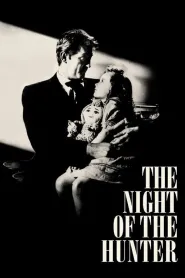
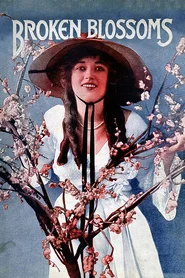
Among her most acclaimed performances are her roles in "Broken Blossoms or The Yellow Man and the Girl" (1919) and "The Night of the Hunter" (1955). In "Broken Blossoms," Gish's portrayal of a vulnerable young woman caught in a world of violence and despair exemplified her ability to convey profound emotion without dialogue. In contrast, her role in "The Night of the Hunter," directed by Charles Laughton, showcased her transition into sound films, marking a significant evolution in her artistic repertoire. Gish's performance garnered critical acclaim, further establishing her as a versatile artist capable of adapting to the changing landscape of Hollywood.
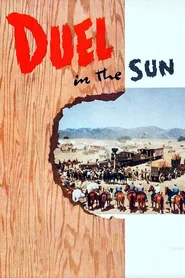
Throughout her illustrious career, Lillian Gish collaborated with many influential directors and actors, leaving an indelible legacy in the film industry. Her work with renowned filmmakers such as Griffith, as well as her later collaborations with the likes of King Vidor and David Lean, reflected a commitment to artistic integrity and innovation. Gish's contributions were recognized with an Academy Award nomination, affirming her status as a cinematic icon.
As the years progressed, Lillian Gish continued to evolve, embracing new roles and mediums while remaining a beloved figure in the film community. Even into her later years, she maintained her passion for the craft, inspiring generations of actors and filmmakers. Gish passed away on February 27, 1993, but her remarkable legacy endures, as her performances continue to captivate audiences and influence the art of filmmaking. Lillian Gish's life and career serve as a testament to the transformative power of cinema and the profound impact one individual can make in the world of film.
Gish began her acting career at a young age, performing in stage productions before making her film debut in 1912. Her breakthrough came when she collaborated with director D.W. Griffith, starring in landmark films such as "The Birth of a Nation" (1915) and "Intolerance: Love's Struggle Throughout the Ages" (1916). These films not only showcased her exceptional emotional depth and expressive ability but also reflected the innovative storytelling techniques that Griffith was pioneering at the time. Gish's portrayal of complex characters solidified her status as a leading actress of the silent era.
Among her most acclaimed performances are her roles in "Broken Blossoms or The Yellow Man and the Girl" (1919) and "The Night of the Hunter" (1955). In "Broken Blossoms," Gish's portrayal of a vulnerable young woman caught in a world of violence and despair exemplified her ability to convey profound emotion without dialogue. In contrast, her role in "The Night of the Hunter," directed by Charles Laughton, showcased her transition into sound films, marking a significant evolution in her artistic repertoire. Gish's performance garnered critical acclaim, further establishing her as a versatile artist capable of adapting to the changing landscape of Hollywood.
Throughout her illustrious career, Lillian Gish collaborated with many influential directors and actors, leaving an indelible legacy in the film industry. Her work with renowned filmmakers such as Griffith, as well as her later collaborations with the likes of King Vidor and David Lean, reflected a commitment to artistic integrity and innovation. Gish's contributions were recognized with an Academy Award nomination, affirming her status as a cinematic icon.
As the years progressed, Lillian Gish continued to evolve, embracing new roles and mediums while remaining a beloved figure in the film community. Even into her later years, she maintained her passion for the craft, inspiring generations of actors and filmmakers. Gish passed away on February 27, 1993, but her remarkable legacy endures, as her performances continue to captivate audiences and influence the art of filmmaking. Lillian Gish's life and career serve as a testament to the transformative power of cinema and the profound impact one individual can make in the world of film.