Biografia nu este disponibilă în limba ta. Se afișează versiunea în engleză.
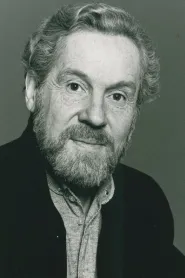
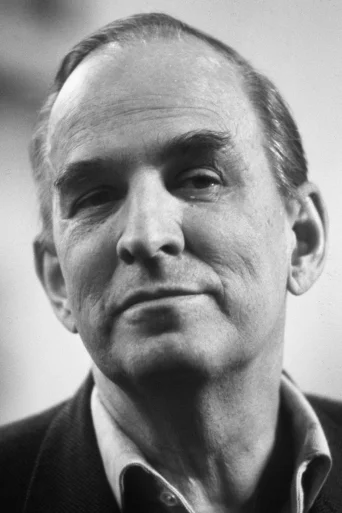
Ingmar Bergman, a towering figure in world cinema, is celebrated for his profound explorations of the human condition through the lens of artful storytelling and innovative filmmaking techniques. Renowned for his evocative narratives and striking visual style, Bergman's contributions have significantly shaped the landscape of modern cinema, making him one of the most influential directors in film history.
Born on July 14, 1918, in Uppsala, Sweden, Bergman's early career began in the late 1940s with his directorial debut, "Crisis" (1946). This film marked the start of a prolific journey that would see him tackle existential themes and complex character studies. However, it was with "The Seventh Seal" (1957) that Ingmar Bergman truly captured international attention. This iconic film, featuring a knight who plays chess with Death, delves into themes of faith, mortality, and the search for meaning, establishing Bergman as a master of philosophical cinema.
Throughout the 1960s and 1970s, Bergman continued to push the boundaries of storytelling and visual aesthetics with groundbreaking works such as "Persona" (1966) and "Wild Strawberries" (1957). These films showcased his ability to delve deep into the psychology of his characters, often exploring the intricacies of identity and human relationships. His collaboration with actors like Bibi Andersson and Liv Ullmann led to some of the most memorable performances in cinematic history, cementing his status as a director who could elicit profound emotions from his cast.
Bergman's artistic evolution is evident in his later works, including "Cries and Whispers" (1972) and "Fanny and Alexander" (1982), both of which demonstrate his continued commitment to exploring the complexities of existence. "Fanny and Alexander" earned him an Academy Award for Best Foreign Language Film, further solidifying his legacy and international recognition. Throughout his career, Bergman received numerous accolades, including several Academy Award nominations, which highlighted his contributions to the film industry and his status as a cinematic innovator.
Ingmar Bergman's influence extends beyond his filmography; he has inspired generations of filmmakers and cinephiles alike. His exploration of existential themes, combined with his unique visual style and narrative depth, has left an indelible mark on cinema. Today, Bergman's works continue to be studied and celebrated for their artistry, making him a pivotal figure in the evolution of filmmaking and an enduring symbol of cinematic excellence.
Born on July 14, 1918, in Uppsala, Sweden, Bergman's early career began in the late 1940s with his directorial debut, "Crisis" (1946). This film marked the start of a prolific journey that would see him tackle existential themes and complex character studies. However, it was with "The Seventh Seal" (1957) that Ingmar Bergman truly captured international attention. This iconic film, featuring a knight who plays chess with Death, delves into themes of faith, mortality, and the search for meaning, establishing Bergman as a master of philosophical cinema.
Throughout the 1960s and 1970s, Bergman continued to push the boundaries of storytelling and visual aesthetics with groundbreaking works such as "Persona" (1966) and "Wild Strawberries" (1957). These films showcased his ability to delve deep into the psychology of his characters, often exploring the intricacies of identity and human relationships. His collaboration with actors like Bibi Andersson and Liv Ullmann led to some of the most memorable performances in cinematic history, cementing his status as a director who could elicit profound emotions from his cast.
Bergman's artistic evolution is evident in his later works, including "Cries and Whispers" (1972) and "Fanny and Alexander" (1982), both of which demonstrate his continued commitment to exploring the complexities of existence. "Fanny and Alexander" earned him an Academy Award for Best Foreign Language Film, further solidifying his legacy and international recognition. Throughout his career, Bergman received numerous accolades, including several Academy Award nominations, which highlighted his contributions to the film industry and his status as a cinematic innovator.
Ingmar Bergman's influence extends beyond his filmography; he has inspired generations of filmmakers and cinephiles alike. His exploration of existential themes, combined with his unique visual style and narrative depth, has left an indelible mark on cinema. Today, Bergman's works continue to be studied and celebrated for their artistry, making him a pivotal figure in the evolution of filmmaking and an enduring symbol of cinematic excellence.