Biografia nu este disponibilă în limba ta. Se afișează versiunea în engleză.
Wolfgang Reitherman was a pivotal figure in the world of animation and visual effects, leaving an indelible mark on the legacy of Disney films. Known for his innovative techniques and artistic vision, Reitherman played an essential role in shaping the animated landscape of Hollywood during the mid-20th century. His work not only captivated audiences but also set new standards for storytelling and animation that resonate to this day.
Reitherman began his career at Walt Disney Studios in the late 1930s, where he was initially involved as an animator. His early contributions included working on iconic films such as "Snow White and the Seven Dwarfs" (1937) and "Pinocchio" (1940). However, it was in the 1960s that Wolfgang Reitherman truly came into his own as a director and producer, leading to a series of breakthrough projects that would define his career.
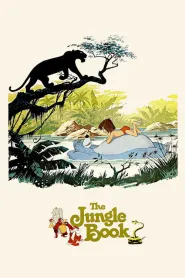
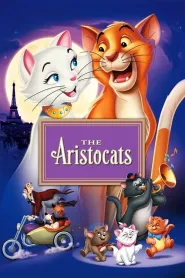
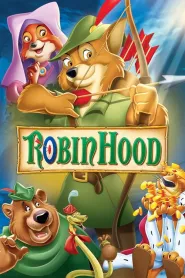
Among his most famous films are "The Jungle Book" (1967), "The Aristocats" (1970), and "Robin Hood" (1973). Each of these films showcased Reitherman's ability to blend engaging narratives with memorable characters and vibrant animation. His directorial prowess was especially evident in "The Jungle Book," which became one of Disney's most beloved classics and is widely regarded as a cornerstone of the studio's animated repertoire.
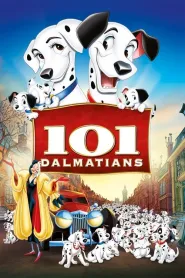
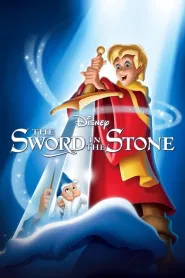
Wolfgang Reitherman's collaborations with notable directors and talented animators further enriched his filmography. His work on "One Hundred and One Dalmatians" (1961) and "The Sword in the Stone" (1963) exemplified his knack for storytelling, combining humor with emotional depth. Reitherman's artistic evolution over the decades mirrored the advancements in animation technology, as he embraced new methods while remaining loyal to the traditional techniques that defined early Disney films.
Throughout his illustrious career, Wolfgang Reitherman received acclaim for his contributions to the film industry, including nominations for prestigious awards. His influence extended beyond the films themselves, as he helped mentor a generation of animators who would continue to innovate and inspire. Reitherman's legacy lives on in the hearts of audiences and the annals of animation history, affirming his status as a true pioneer in the world of visual effects and animated cinema.
Reitherman began his career at Walt Disney Studios in the late 1930s, where he was initially involved as an animator. His early contributions included working on iconic films such as "Snow White and the Seven Dwarfs" (1937) and "Pinocchio" (1940). However, it was in the 1960s that Wolfgang Reitherman truly came into his own as a director and producer, leading to a series of breakthrough projects that would define his career.
Among his most famous films are "The Jungle Book" (1967), "The Aristocats" (1970), and "Robin Hood" (1973). Each of these films showcased Reitherman's ability to blend engaging narratives with memorable characters and vibrant animation. His directorial prowess was especially evident in "The Jungle Book," which became one of Disney's most beloved classics and is widely regarded as a cornerstone of the studio's animated repertoire.
Wolfgang Reitherman's collaborations with notable directors and talented animators further enriched his filmography. His work on "One Hundred and One Dalmatians" (1961) and "The Sword in the Stone" (1963) exemplified his knack for storytelling, combining humor with emotional depth. Reitherman's artistic evolution over the decades mirrored the advancements in animation technology, as he embraced new methods while remaining loyal to the traditional techniques that defined early Disney films.
Throughout his illustrious career, Wolfgang Reitherman received acclaim for his contributions to the film industry, including nominations for prestigious awards. His influence extended beyond the films themselves, as he helped mentor a generation of animators who would continue to innovate and inspire. Reitherman's legacy lives on in the hearts of audiences and the annals of animation history, affirming his status as a true pioneer in the world of visual effects and animated cinema.