Biografia nu este disponibilă în limba ta. Se afișează versiunea în engleză.
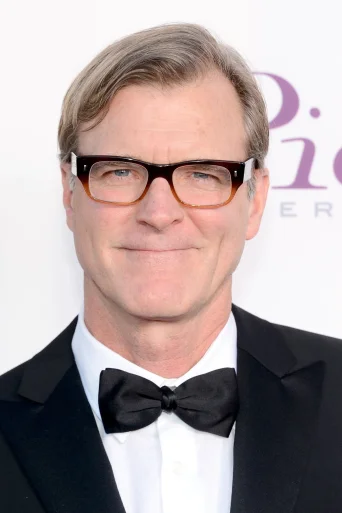
John Lee Hancock is an acclaimed American director, screenwriter, and producer, renowned for his ability to craft compelling narratives that resonate with audiences across the globe. Born in 1956 in Longview, Texas, Hancock's storytelling prowess has made significant contributions to contemporary cinema, establishing him as a key figure in Hollywood. With a career spanning several decades, he has consistently delivered films that blend emotional depth with commercial appeal.
Hancock began his career in the entertainment industry as a screenwriter, gaining early recognition for his work on television projects before making his feature film debut with "Hard Time Romance" in 1991. However, it was his 2009 film "The Blind Side" that truly marked his breakthrough as a director. The film, which tells the inspiring true story of Michael Oher, garnered widespread acclaim and earned Sandra Bullock an Academy Award for Best Actress. This success not only solidified Hancock's reputation but also showcased his talent for bringing real-life stories to the big screen with sensitivity and authenticity.
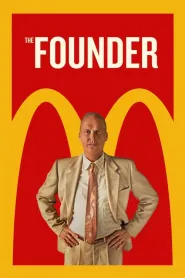
Following the success of "The Blind Side," John Lee Hancock continued to captivate audiences with notable films such as "Saving Mr. Banks" (2013), which explored the behind-the-scenes story of the making of Disney's "Mary Poppins." His directorial style, characterized by a focus on character development and moral dilemmas, is evident in his work on "The Founder" (2016), a biographical drama about the rise of the McDonald's franchise. This film further exemplified Hancock's ability to blend entertainment with thought-provoking themes, earning him recognition as a masterful storyteller.
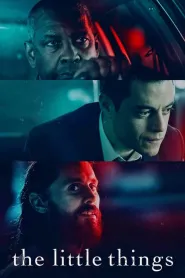
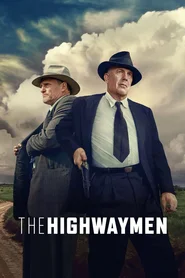
Hancock's collaboration with talented actors and industry veterans has played a significant role in his artistic evolution. His film "The Highwaymen" (2019) featured a compelling performance from Kevin Costner and Woody Harrelson, as the two portrayed the legendary Texas Rangers who brought down notorious criminals Bonnie and Clyde. More recently, "The Little Things" (2021) showcased his ability to delve into the psychological complexities of crime, featuring powerful performances by Denzel Washington, Rami Malek, and Jared Leto.
Throughout his career, John Lee Hancock has received numerous accolades and nominations, reflecting his impact on the film industry. His films have not only performed well at the box office but have also earned critical acclaim, further solidifying his status as a prominent figure in Hollywood. As he continues to explore new stories and genres, Hancock remains a significant voice in cinema, captivating audiences with his engaging narratives and profound insights into the human experience.
Hancock began his career in the entertainment industry as a screenwriter, gaining early recognition for his work on television projects before making his feature film debut with "Hard Time Romance" in 1991. However, it was his 2009 film "The Blind Side" that truly marked his breakthrough as a director. The film, which tells the inspiring true story of Michael Oher, garnered widespread acclaim and earned Sandra Bullock an Academy Award for Best Actress. This success not only solidified Hancock's reputation but also showcased his talent for bringing real-life stories to the big screen with sensitivity and authenticity.
Following the success of "The Blind Side," John Lee Hancock continued to captivate audiences with notable films such as "Saving Mr. Banks" (2013), which explored the behind-the-scenes story of the making of Disney's "Mary Poppins." His directorial style, characterized by a focus on character development and moral dilemmas, is evident in his work on "The Founder" (2016), a biographical drama about the rise of the McDonald's franchise. This film further exemplified Hancock's ability to blend entertainment with thought-provoking themes, earning him recognition as a masterful storyteller.
Hancock's collaboration with talented actors and industry veterans has played a significant role in his artistic evolution. His film "The Highwaymen" (2019) featured a compelling performance from Kevin Costner and Woody Harrelson, as the two portrayed the legendary Texas Rangers who brought down notorious criminals Bonnie and Clyde. More recently, "The Little Things" (2021) showcased his ability to delve into the psychological complexities of crime, featuring powerful performances by Denzel Washington, Rami Malek, and Jared Leto.
Throughout his career, John Lee Hancock has received numerous accolades and nominations, reflecting his impact on the film industry. His films have not only performed well at the box office but have also earned critical acclaim, further solidifying his status as a prominent figure in Hollywood. As he continues to explore new stories and genres, Hancock remains a significant voice in cinema, captivating audiences with his engaging narratives and profound insights into the human experience.