Biografia nu este disponibilă în limba ta. Se afișează versiunea în engleză.
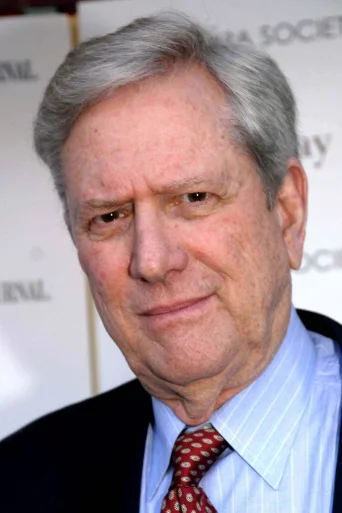
Michael Murphy is an accomplished American actor whose extensive career has made a significant impact on the film and television landscape. Born in 1938 in Los Angeles, California, Michael Murphy has captivated audiences with his versatile performances across a variety of genres, establishing himself as a prominent figure in Hollywood. His ability to seamlessly transition between dramatic roles and comedic performances has earned him a respected place among his peers.
Michael Murphy began his career in the late 1960s, making his debut in the film "The President's Analyst" (1967). His early work laid the foundation for a successful trajectory in the industry, with his breakthrough roles emerging in the 1970s. Notably, his performance in Robert Altman's iconic film "M*A*S*H" (1970) showcased his unique ability to blend humor with poignant social commentary. This film became a defining moment in his career, helping to establish Murphy as a recognizable talent in Hollywood.
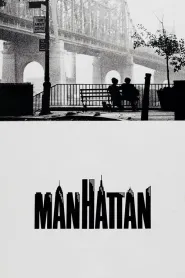
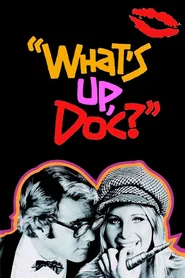
Throughout the 1970s and 1980s, Michael Murphy continued to build a diverse filmography, making memorable appearances in critically acclaimed films such as "What's Up, Doc?" (1972) alongside Barbra Streisand and Ryan O'Neal, and "An Unmarried Woman" (1978), where he explored complex themes of love and identity. His role in Woody Allen's "Manhattan" (1979) further solidified his status as a versatile actor capable of delivering nuanced performances. Murphy's collaboration with renowned directors, particularly his work with Allen, established him as a reliable presence in films that often explored the intricacies of human relationships.
In the 1990s, Michael Murphy continued to showcase his talent in notable projects, including Tim Burton's "Batman Returns" (1992), where his portrayal of the character Carter was both memorable and impactful. His ability to navigate a wide range of roles allowed him to remain relevant in an ever-evolving industry. Over the years, Michael Murphy's artistic evolution has been marked by his commitment to both film and television, with appearances in various series that further demonstrated his versatility.
Throughout his career, Michael Murphy has received critical acclaim and recognition for his contributions to the arts. His performances have garnered significant praise, and he continues to be celebrated for his enduring legacy in the film industry. With a career spanning over five decades, Michael Murphy remains a respected figure whose work continues to inspire new generations of actors and filmmakers alike. As he looks to the future, his commitment to storytelling and character development ensures that his influence on cinema will resonate for years to come.
Michael Murphy began his career in the late 1960s, making his debut in the film "The President's Analyst" (1967). His early work laid the foundation for a successful trajectory in the industry, with his breakthrough roles emerging in the 1970s. Notably, his performance in Robert Altman's iconic film "M*A*S*H" (1970) showcased his unique ability to blend humor with poignant social commentary. This film became a defining moment in his career, helping to establish Murphy as a recognizable talent in Hollywood.
Throughout the 1970s and 1980s, Michael Murphy continued to build a diverse filmography, making memorable appearances in critically acclaimed films such as "What's Up, Doc?" (1972) alongside Barbra Streisand and Ryan O'Neal, and "An Unmarried Woman" (1978), where he explored complex themes of love and identity. His role in Woody Allen's "Manhattan" (1979) further solidified his status as a versatile actor capable of delivering nuanced performances. Murphy's collaboration with renowned directors, particularly his work with Allen, established him as a reliable presence in films that often explored the intricacies of human relationships.
In the 1990s, Michael Murphy continued to showcase his talent in notable projects, including Tim Burton's "Batman Returns" (1992), where his portrayal of the character Carter was both memorable and impactful. His ability to navigate a wide range of roles allowed him to remain relevant in an ever-evolving industry. Over the years, Michael Murphy's artistic evolution has been marked by his commitment to both film and television, with appearances in various series that further demonstrated his versatility.
Throughout his career, Michael Murphy has received critical acclaim and recognition for his contributions to the arts. His performances have garnered significant praise, and he continues to be celebrated for his enduring legacy in the film industry. With a career spanning over five decades, Michael Murphy remains a respected figure whose work continues to inspire new generations of actors and filmmakers alike. As he looks to the future, his commitment to storytelling and character development ensures that his influence on cinema will resonate for years to come.