Biografia nu este disponibilă în limba ta. Se afișează versiunea în engleză.
Leo McCarey was a pivotal figure in Hollywood's Golden Age, known for his remarkable ability to blend humor and sentiment in his films. As a director, McCarey left an indelible mark on the industry with a career that spanned several decades, characterized by a unique vision that brought both laughter and heart to the silver screen. His contributions to cinema have earned him a place among the most celebrated filmmakers of his time.
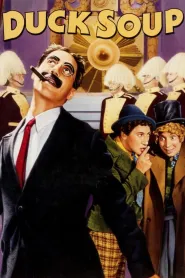
McCarey's early career began in the silent film era, where he honed his craft as a director and writer. He made his debut in the 1920s, quickly establishing himself in the world of comedy. His work with the iconic comedy duo Laurel and Hardy helped solidify his reputation as a skilled director who understood the nuances of comedic timing. However, it was in the 1930s that Leo McCarey truly began to shine, particularly with the release of "Duck Soup" (1933), a Marx Brothers classic that remains a cornerstone of American comedy.
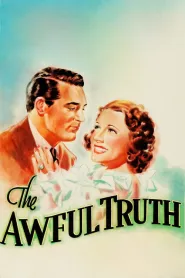
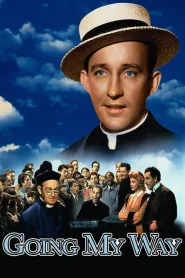
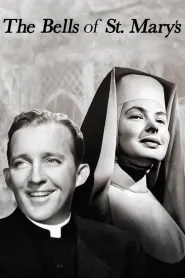
The 1940s marked a significant turning point in McCarey's career, where he transitioned from pure comedy to more heartfelt narratives. His film "The Awful Truth" (1937) showcased his talent for romantic comedy, featuring Cary Grant and Irene Dunne in a delightful tale of marital mischief. As the decade progressed, McCarey created some of his most enduring works, including "Going My Way" (1944) and "The Bells of St. Mary's" (1945), both of which starred Bing Crosby. These films not only achieved commercial success but also garnered critical acclaim, with "Going My Way" winning the Academy Award for Best Director, solidifying McCarey's status as a master storyteller.
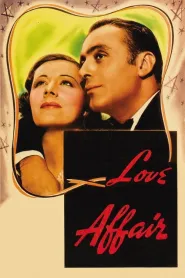
Another significant achievement in Leo McCarey's illustrious filmography is "Love Affair" (1939), a romantic drama that has inspired numerous remakes, including the popular "An Affair to Remember" (1957). His ability to craft engaging narratives that resonated with audiences across generations demonstrated his artistic evolution and adaptability in an ever-changing industry.
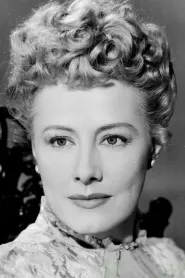
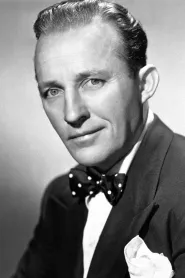
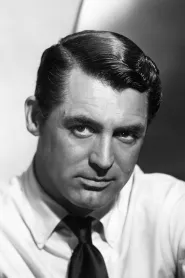
Throughout his career, Leo McCarey received numerous accolades for his contributions to film, including Academy Awards and nominations that recognized his exceptional talent. His collaborations with actors such as Bing Crosby, Cary Grant, and Irene Dunne showcased not only his directorial prowess but also his ability to draw out memorable performances from his cast. McCarey's legacy continues to influence filmmakers today, as his unique blend of comedy and emotion remains a hallmark of timeless cinema.
McCarey's early career began in the silent film era, where he honed his craft as a director and writer. He made his debut in the 1920s, quickly establishing himself in the world of comedy. His work with the iconic comedy duo Laurel and Hardy helped solidify his reputation as a skilled director who understood the nuances of comedic timing. However, it was in the 1930s that Leo McCarey truly began to shine, particularly with the release of "Duck Soup" (1933), a Marx Brothers classic that remains a cornerstone of American comedy.
The 1940s marked a significant turning point in McCarey's career, where he transitioned from pure comedy to more heartfelt narratives. His film "The Awful Truth" (1937) showcased his talent for romantic comedy, featuring Cary Grant and Irene Dunne in a delightful tale of marital mischief. As the decade progressed, McCarey created some of his most enduring works, including "Going My Way" (1944) and "The Bells of St. Mary's" (1945), both of which starred Bing Crosby. These films not only achieved commercial success but also garnered critical acclaim, with "Going My Way" winning the Academy Award for Best Director, solidifying McCarey's status as a master storyteller.
Another significant achievement in Leo McCarey's illustrious filmography is "Love Affair" (1939), a romantic drama that has inspired numerous remakes, including the popular "An Affair to Remember" (1957). His ability to craft engaging narratives that resonated with audiences across generations demonstrated his artistic evolution and adaptability in an ever-changing industry.
Throughout his career, Leo McCarey received numerous accolades for his contributions to film, including Academy Awards and nominations that recognized his exceptional talent. His collaborations with actors such as Bing Crosby, Cary Grant, and Irene Dunne showcased not only his directorial prowess but also his ability to draw out memorable performances from his cast. McCarey's legacy continues to influence filmmakers today, as his unique blend of comedy and emotion remains a hallmark of timeless cinema.