Biografia nu este disponibilă în limba ta. Se afișează versiunea în engleză.
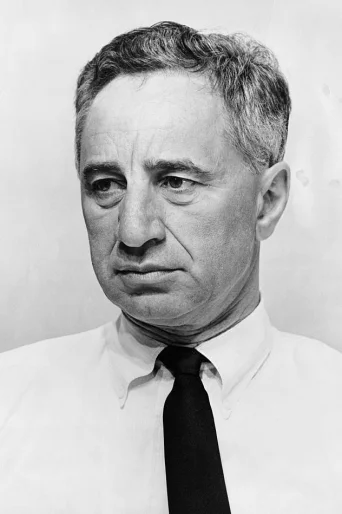
Elia Kazan was a groundbreaking director and producer whose influence on American cinema remains profound and enduring. Known for his remarkable ability to elicit powerful performances from actors, Kazan played a pivotal role in shaping the landscape of Hollywood during the mid-20th century. His films, characterized by their emotional depth and social relevance, continue to resonate with audiences and filmmakers alike, marking him as one of the most significant figures in film history.
Born on September 7, 1909, in Istanbul, Turkey, Elia Kazan immigrated to the United States with his family at a young age. He initially pursued a career in theater, working with the Group Theatre and honing his directorial skills. His cinematic debut came in 1945 with the film "A Tree Grows in Brooklyn," which showcased his talent for storytelling and character development. However, it was his subsequent works that truly established him as a formidable force in the film industry.
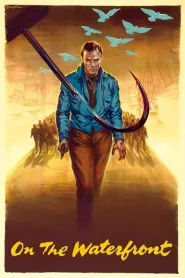
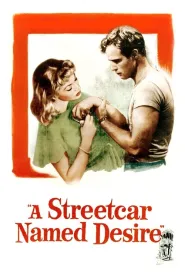
Kazan's breakthrough came with "A Streetcar Named Desire" in 1951, where he directed Marlon Brando and Vivien Leigh in their iconic roles. This film not only earned him critical acclaim but also solidified his reputation as a master of adaptation, bringing Tennessee Williams' play to life on screen with remarkable intensity. Following this success, Kazan directed "On the Waterfront" in 1954, a film that won eight Academy Awards, including Best Director for Kazan himself. This gripping tale of morality and redemption further demonstrated his ability to tackle complex themes while drawing out stunning performances from his cast.
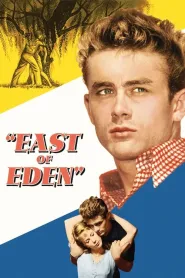
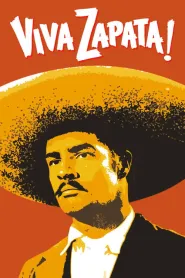
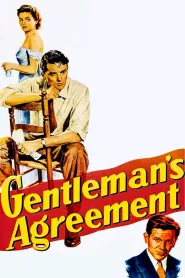
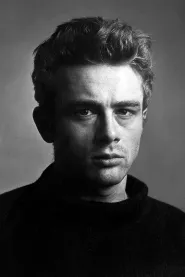
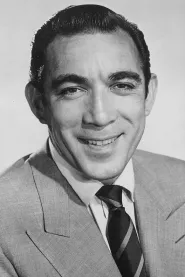
Throughout his career, Elia Kazan collaborated with some of the greatest talents of his time, including actors like James Dean in "East of Eden" (1955) and Anthony Quinn in "Viva Zapata!" (1952). His films often explored themes of identity, social justice, and the struggles of the human spirit, reflecting his own experiences and beliefs. Kazan's artistic evolution is evident in his willingness to tackle controversial subjects, as seen in "Gentleman's Agreement" (1947), which addressed anti-Semitism in America, earning him further accolades and recognition.
Kazan's contributions to cinema have been acknowledged with numerous awards and honors, including two Academy Awards for Best Director and a Lifetime Achievement Award from the Directors Guild of America. His legacy endures through the powerful stories he told and the lasting impact he had on both actors and filmmakers. Elia Kazan's cinematic vision and dedication to the art of storytelling have secured his place as a towering figure in film history, inspiring generations to come.
Born on September 7, 1909, in Istanbul, Turkey, Elia Kazan immigrated to the United States with his family at a young age. He initially pursued a career in theater, working with the Group Theatre and honing his directorial skills. His cinematic debut came in 1945 with the film "A Tree Grows in Brooklyn," which showcased his talent for storytelling and character development. However, it was his subsequent works that truly established him as a formidable force in the film industry.
Kazan's breakthrough came with "A Streetcar Named Desire" in 1951, where he directed Marlon Brando and Vivien Leigh in their iconic roles. This film not only earned him critical acclaim but also solidified his reputation as a master of adaptation, bringing Tennessee Williams' play to life on screen with remarkable intensity. Following this success, Kazan directed "On the Waterfront" in 1954, a film that won eight Academy Awards, including Best Director for Kazan himself. This gripping tale of morality and redemption further demonstrated his ability to tackle complex themes while drawing out stunning performances from his cast.
Throughout his career, Elia Kazan collaborated with some of the greatest talents of his time, including actors like James Dean in "East of Eden" (1955) and Anthony Quinn in "Viva Zapata!" (1952). His films often explored themes of identity, social justice, and the struggles of the human spirit, reflecting his own experiences and beliefs. Kazan's artistic evolution is evident in his willingness to tackle controversial subjects, as seen in "Gentleman's Agreement" (1947), which addressed anti-Semitism in America, earning him further accolades and recognition.
Kazan's contributions to cinema have been acknowledged with numerous awards and honors, including two Academy Awards for Best Director and a Lifetime Achievement Award from the Directors Guild of America. His legacy endures through the powerful stories he told and the lasting impact he had on both actors and filmmakers. Elia Kazan's cinematic vision and dedication to the art of storytelling have secured his place as a towering figure in film history, inspiring generations to come.