Biografia nu este disponibilă în limba ta. Se afișează versiunea în engleză.
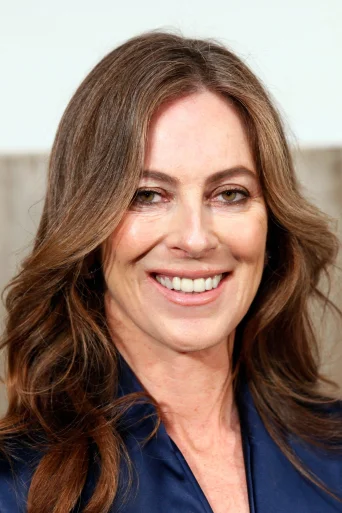
Kathryn Bigelow is a pioneering American director and producer whose impactful work has significantly shaped the landscape of contemporary cinema. Known for her intense storytelling and unique ability to explore themes of conflict, survival, and human emotion, Bigelow has become a leading figure in Hollywood. Her films often reflect a nuanced understanding of complex characters and socio-political issues, earning her both critical acclaim and a dedicated audience.
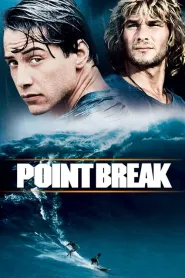
Bigelow's career began in the late 1970s when she emerged from the art school scene, initially working on short films and television projects. Her debut feature film, "The Loveless" (1981), showcased her distinctive visual style and set the stage for her subsequent projects. However, it was her breakthrough film, "Point Break" (1991), that marked her entry into mainstream success. This high-octane action film, featuring Keanu Reeves and Patrick Swayze, became a cult classic and demonstrated Bigelow's ability to blend thrilling action with deeper emotional currents.
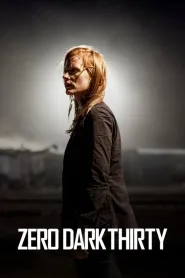
In 2008, Kathryn Bigelow achieved a monumental milestone in her career with "The Hurt Locker," a gripping portrayal of the Iraq War. The film received critical acclaim and won six Academy Awards, including Best Picture and Best Director—making Bigelow the first woman to win the Oscar for Best Director. Her adept handling of the film's tense narrative and character-driven approach showcased her unique voice in a predominantly male-dominated industry. This success was followed by "Zero Dark Thirty" (2012), a gripping account of the hunt for Osama bin Laden, which further solidified her reputation as a masterful storyteller.
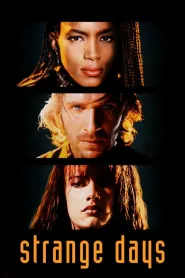
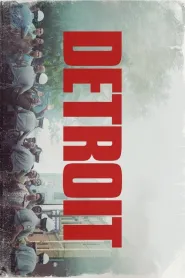
Bigelow's filmography also includes "Strange Days" (1995), a thought-provoking sci-fi thriller that delves into the implications of technology on human experience, and "Detroit" (2017), a powerful exploration of race relations and police brutality during the 1967 Detroit riots. Throughout her career, Kathryn Bigelow has collaborated with notable actors and filmmakers, including screenwriter Mark Boal, whose partnership has resulted in some of her most acclaimed works.
As an artist, Kathryn Bigelow continues to evolve, pushing the boundaries of genre and narrative in her films. Her work has not only garnered numerous accolades but has also inspired a new generation of filmmakers. With her unique perspective and fearless storytelling, Bigelow remains a significant figure in the film industry, paving the way for future women directors and challenging the status quo of Hollywood.
Bigelow's career began in the late 1970s when she emerged from the art school scene, initially working on short films and television projects. Her debut feature film, "The Loveless" (1981), showcased her distinctive visual style and set the stage for her subsequent projects. However, it was her breakthrough film, "Point Break" (1991), that marked her entry into mainstream success. This high-octane action film, featuring Keanu Reeves and Patrick Swayze, became a cult classic and demonstrated Bigelow's ability to blend thrilling action with deeper emotional currents.
In 2008, Kathryn Bigelow achieved a monumental milestone in her career with "The Hurt Locker," a gripping portrayal of the Iraq War. The film received critical acclaim and won six Academy Awards, including Best Picture and Best Director—making Bigelow the first woman to win the Oscar for Best Director. Her adept handling of the film's tense narrative and character-driven approach showcased her unique voice in a predominantly male-dominated industry. This success was followed by "Zero Dark Thirty" (2012), a gripping account of the hunt for Osama bin Laden, which further solidified her reputation as a masterful storyteller.
Bigelow's filmography also includes "Strange Days" (1995), a thought-provoking sci-fi thriller that delves into the implications of technology on human experience, and "Detroit" (2017), a powerful exploration of race relations and police brutality during the 1967 Detroit riots. Throughout her career, Kathryn Bigelow has collaborated with notable actors and filmmakers, including screenwriter Mark Boal, whose partnership has resulted in some of her most acclaimed works.
As an artist, Kathryn Bigelow continues to evolve, pushing the boundaries of genre and narrative in her films. Her work has not only garnered numerous accolades but has also inspired a new generation of filmmakers. With her unique perspective and fearless storytelling, Bigelow remains a significant figure in the film industry, paving the way for future women directors and challenging the status quo of Hollywood.