Biografia nu este disponibilă în limba ta. Se afișează versiunea în engleză.
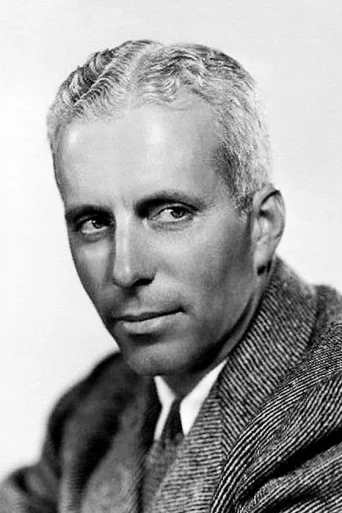
Howard Hawks was a pivotal figure in the American film industry, renowned for his diverse body of work that spanned multiple genres including comedy, drama, and westerns. With a career that flourished from the 1920s through the 1970s, Hawks is celebrated for his innovative storytelling techniques and his ability to craft memorable characters, solidifying his status as one of Hollywood's most influential directors.
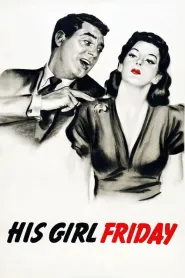
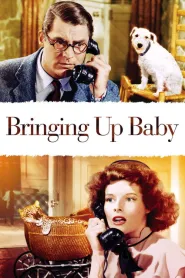
Born on May 30, 1896, in Goshen, Indiana, Howard Hawks began his career in the film industry during the silent era. Initially working as a screenwriter and assistant director, he made his directorial debut in 1926 with the silent film "The Road to Glory." However, it was his subsequent work that truly defined his legacy. Hawks' breakout came in the late 1930s with a string of iconic films, including "Bringing Up Baby" (1938) and "His Girl Friday" (1940), both of which showcased his keen sense of timing and sharp wit. These films not only highlighted his prowess in comedy but also established the rapid-fire dialogue that became a hallmark of his style.
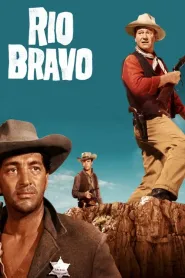
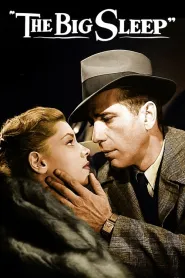
Among Hawks' most famous works are "The Big Sleep" (1946) and "Rio Bravo" (1959), films that further exemplified his mastery over genre conventions. "The Big Sleep," an adaptation of Raymond Chandler's novel, featured the legendary pairing of Humphrey Bogart and Lauren Bacall, while "Rio Bravo" showcased an ensemble cast including John Wayne and Dean Martin. These collaborations with prominent actors and scriptwriters allowed Hawks to create films that resonated with audiences and critics alike, earning him widespread acclaim.
Over the course of his career, Howard Hawks demonstrated an extraordinary ability to evolve artistically, navigating through various cinematic styles and themes. His films often explored the dynamics between men and women, showcasing strong, independent female characters alongside rugged male protagonists. This unique approach helped redefine gender roles in Hollywood and influenced countless filmmakers who followed in his footsteps.
Hawks' contributions to cinema were recognized with numerous accolades throughout his lifetime, including an Academy Award for Best Director for "Sergeant York" (1941), which remains a significant highlight in his filmography. His work has continued to garner international recognition, inspiring generations of filmmakers and actors. Today, Howard Hawks is celebrated not only for his impressive filmography but also for his indelible impact on the art of filmmaking, securing his place as a true icon of Hollywood history.
Born on May 30, 1896, in Goshen, Indiana, Howard Hawks began his career in the film industry during the silent era. Initially working as a screenwriter and assistant director, he made his directorial debut in 1926 with the silent film "The Road to Glory." However, it was his subsequent work that truly defined his legacy. Hawks' breakout came in the late 1930s with a string of iconic films, including "Bringing Up Baby" (1938) and "His Girl Friday" (1940), both of which showcased his keen sense of timing and sharp wit. These films not only highlighted his prowess in comedy but also established the rapid-fire dialogue that became a hallmark of his style.
Among Hawks' most famous works are "The Big Sleep" (1946) and "Rio Bravo" (1959), films that further exemplified his mastery over genre conventions. "The Big Sleep," an adaptation of Raymond Chandler's novel, featured the legendary pairing of Humphrey Bogart and Lauren Bacall, while "Rio Bravo" showcased an ensemble cast including John Wayne and Dean Martin. These collaborations with prominent actors and scriptwriters allowed Hawks to create films that resonated with audiences and critics alike, earning him widespread acclaim.
Over the course of his career, Howard Hawks demonstrated an extraordinary ability to evolve artistically, navigating through various cinematic styles and themes. His films often explored the dynamics between men and women, showcasing strong, independent female characters alongside rugged male protagonists. This unique approach helped redefine gender roles in Hollywood and influenced countless filmmakers who followed in his footsteps.
Hawks' contributions to cinema were recognized with numerous accolades throughout his lifetime, including an Academy Award for Best Director for "Sergeant York" (1941), which remains a significant highlight in his filmography. His work has continued to garner international recognition, inspiring generations of filmmakers and actors. Today, Howard Hawks is celebrated not only for his impressive filmography but also for his indelible impact on the art of filmmaking, securing his place as a true icon of Hollywood history.