Biografia nu este disponibilă în limba ta. Se afișează versiunea în engleză.
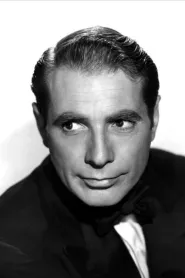
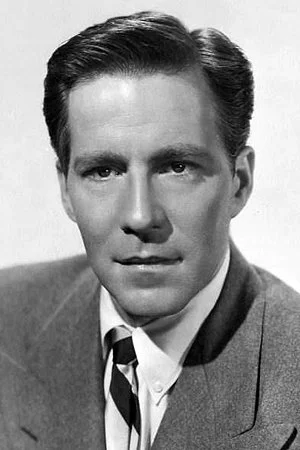
Hugh Marlowe was an accomplished American actor whose significant contributions to the film industry have left an indelible mark on classic Hollywood. Born in Philadelphia, Pennsylvania, in 1911, Marlowe's multifaceted talent and captivating performances made him a prominent figure in the golden age of cinema. With a career spanning over three decades, he became known for his versatile roles in both dramatic and comedic films, showcasing his ability to engage audiences with depth and authenticity.
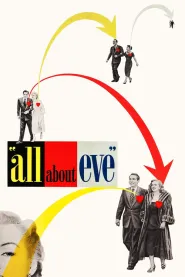
Marlowe's journey in the film industry began in the late 1930s, where his stage experience helped him transition smoothly to the silver screen. His debut came in 1938 with a role in "The Man in the Iron Mask." However, it was his breakthrough performance in the critically acclaimed film "All About Eve" (1950) that solidified his status as a prominent character actor. In this classic drama, he portrayed the ambitious playwright Bill Sampson, sharing the screen with the likes of Bette Davis and Anne Baxter; this collaboration highlighted Marlowe's ability to hold his own among Hollywood's elite.
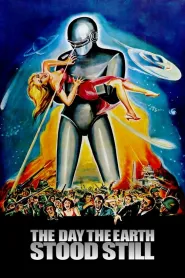
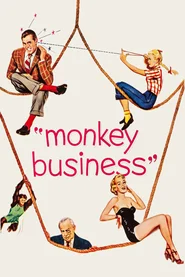
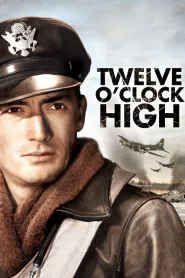
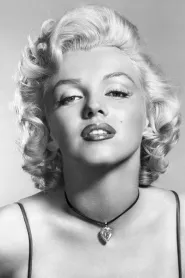
Throughout his career, Hugh Marlowe starred in several notable films that defined his filmography. He delivered memorable performances in the war drama "Twelve O'Clock High" (1949), the science fiction classic "The Day the Earth Stood Still" (1951), and the comedy "Monkey Business" (1952) alongside Marilyn Monroe. His ability to adapt to various genres showcased his range as an actor and contributed to the enduring popularity of these films. Marlowe's collaboration with acclaimed directors and fellow actors further enhanced his reputation, establishing him as a reliable and talented performer in the industry.
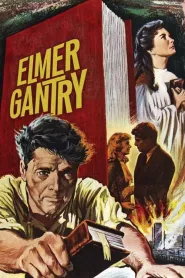
As his career evolved, Marlowe continued to take on diverse roles, culminating in his performance in "Elmer Gantry" (1960), where he played opposite Burt Lancaster. This film not only showcased his talent but also earned him critical acclaim, reinforcing his status as a respected figure in Hollywood. Marlowe's contributions to film were recognized by audiences and critics alike, and while he may not have received extensive accolades during his lifetime, his work remains influential in the realm of classic cinema.
Hugh Marlowe's career came to a close in the late 1970s, but his legacy endures through the timeless films he left behind. He passed away in 1982, but his performances continue to resonate with film enthusiasts and new generations of viewers. Marlowe's rich filmography, marked by significant roles and collaborations, solidifies his place in the annals of cinematic history as a remarkable actor whose work continues to be celebrated today.
Marlowe's journey in the film industry began in the late 1930s, where his stage experience helped him transition smoothly to the silver screen. His debut came in 1938 with a role in "The Man in the Iron Mask." However, it was his breakthrough performance in the critically acclaimed film "All About Eve" (1950) that solidified his status as a prominent character actor. In this classic drama, he portrayed the ambitious playwright Bill Sampson, sharing the screen with the likes of Bette Davis and Anne Baxter; this collaboration highlighted Marlowe's ability to hold his own among Hollywood's elite.
Throughout his career, Hugh Marlowe starred in several notable films that defined his filmography. He delivered memorable performances in the war drama "Twelve O'Clock High" (1949), the science fiction classic "The Day the Earth Stood Still" (1951), and the comedy "Monkey Business" (1952) alongside Marilyn Monroe. His ability to adapt to various genres showcased his range as an actor and contributed to the enduring popularity of these films. Marlowe's collaboration with acclaimed directors and fellow actors further enhanced his reputation, establishing him as a reliable and talented performer in the industry.
As his career evolved, Marlowe continued to take on diverse roles, culminating in his performance in "Elmer Gantry" (1960), where he played opposite Burt Lancaster. This film not only showcased his talent but also earned him critical acclaim, reinforcing his status as a respected figure in Hollywood. Marlowe's contributions to film were recognized by audiences and critics alike, and while he may not have received extensive accolades during his lifetime, his work remains influential in the realm of classic cinema.
Hugh Marlowe's career came to a close in the late 1970s, but his legacy endures through the timeless films he left behind. He passed away in 1982, but his performances continue to resonate with film enthusiasts and new generations of viewers. Marlowe's rich filmography, marked by significant roles and collaborations, solidifies his place in the annals of cinematic history as a remarkable actor whose work continues to be celebrated today.