Biografia nu este disponibilă în limba ta. Se afișează versiunea în engleză.
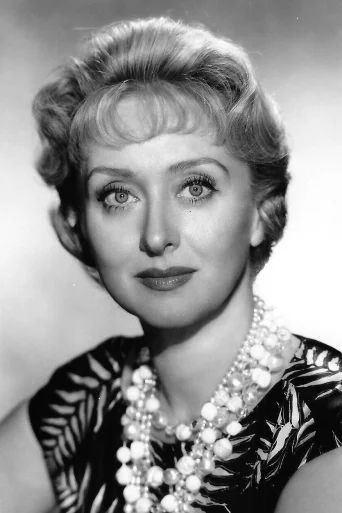
Celeste Holm was an illustrious American actress whose remarkable contributions to the film industry have left an indelible mark on Hollywood. Born on April 29, 1917, in Brooklyn, New York, Holm's career spanned over six decades, captivating audiences with her versatility and charm. She is best known for her roles in classic films such as "All About Eve" (1950) and "Gentleman's Agreement" (1947), both of which showcased her exceptional talent and established her as a leading figure in the cinematic landscape.
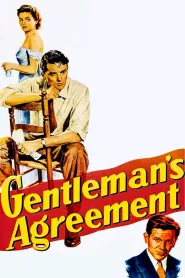
Holm's early career began in the theater, where she honed her craft on stage before transitioning to film. Her debut came in 1938 with "The Party's Over," but it was her breakthrough performance in "Gentleman's Agreement" that truly propelled her into the spotlight. In this groundbreaking film, she portrayed a Jewish character in a story that tackled anti-Semitism, earning her an Academy Award for Best Supporting Actress. This pivotal role not only solidified her status as an accomplished actress but also highlighted her commitment to socially relevant themes in her work.
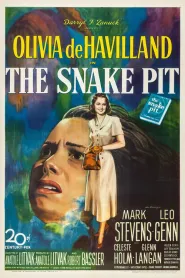
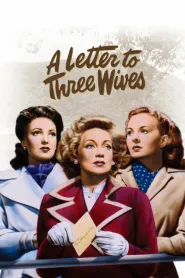
Throughout her career, Celeste Holm starred in several notable films that further showcased her range as an actress. She delivered outstanding performances in "The Snake Pit" (1948), which explored mental health issues, and "A Letter to Three Wives" (1949), where her nuanced portrayal of complex emotions resonated deeply with audiences. In later years, Holm appeared in popular films such as "3 Men and a Baby" (1987), demonstrating her ability to adapt to changing cinematic trends while retaining her signature grace and wit.
Holm's artistic evolution was marked by her collaborations with some of the most esteemed directors and actors of her time. Her work alongside legends such as Bette Davis in "All About Eve" not only highlighted her talent but also underscored the dynamic performances that defined an era of film. Holm's ability to navigate both dramatic and comedic roles with equal finesse garnered her significant recognition, including a star on the Hollywood Walk of Fame.
Throughout her illustrious career, Celeste Holm received numerous accolades and international recognition for her contributions to film and theater. Her legacy endures as a testament to her dedication to the craft and her ability to resonate with audiences across generations. Celeste Holm passed away on July 15, 2012, but her performances continue to inspire future actors and filmmakers, ensuring her place in the annals of cinematic history.
Holm's early career began in the theater, where she honed her craft on stage before transitioning to film. Her debut came in 1938 with "The Party's Over," but it was her breakthrough performance in "Gentleman's Agreement" that truly propelled her into the spotlight. In this groundbreaking film, she portrayed a Jewish character in a story that tackled anti-Semitism, earning her an Academy Award for Best Supporting Actress. This pivotal role not only solidified her status as an accomplished actress but also highlighted her commitment to socially relevant themes in her work.
Throughout her career, Celeste Holm starred in several notable films that further showcased her range as an actress. She delivered outstanding performances in "The Snake Pit" (1948), which explored mental health issues, and "A Letter to Three Wives" (1949), where her nuanced portrayal of complex emotions resonated deeply with audiences. In later years, Holm appeared in popular films such as "3 Men and a Baby" (1987), demonstrating her ability to adapt to changing cinematic trends while retaining her signature grace and wit.
Holm's artistic evolution was marked by her collaborations with some of the most esteemed directors and actors of her time. Her work alongside legends such as Bette Davis in "All About Eve" not only highlighted her talent but also underscored the dynamic performances that defined an era of film. Holm's ability to navigate both dramatic and comedic roles with equal finesse garnered her significant recognition, including a star on the Hollywood Walk of Fame.
Throughout her illustrious career, Celeste Holm received numerous accolades and international recognition for her contributions to film and theater. Her legacy endures as a testament to her dedication to the craft and her ability to resonate with audiences across generations. Celeste Holm passed away on July 15, 2012, but her performances continue to inspire future actors and filmmakers, ensuring her place in the annals of cinematic history.