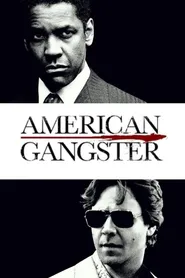
Russell Crowe is a celebrated actor known for his intense performances and commanding presence on screen, making him one of Hollywood's most respected figures. Born on April 7, 1964, in Wellington, New Zealand, Crowe's journey into the world of film began at an early age, where he showcased his talent in various Australian television series. His early career laid a solid foundation, leading to his international breakthrough in the late 1990s.
Crowe's rise to fame can be attributed to a series of remarkable roles that showcased his versatility as an actor. His performance in "L.A. Confidential" (1997) garnered critical acclaim and established him as a formidable talent in Hollywood. However, it was his portrayal of the Roman general Maximus in Ridley Scott's epic "Gladiator" (2000) that truly catapulted Russell Crowe to superstardom. This role not only earned him an Academy Award for Best Actor but also solidified his status as a leading man in major cinematic productions.
In addition to "Gladiator," Russell Crowe's filmography includes a string of notable films that highlight his range and dedication to his craft. His role as the brilliant but troubled mathematician John Nash in "A Beautiful Mind" (2001) further demonstrated his ability to delve into complex characters, earning him both a Golden Globe Award and another Academy Award nomination. Crowe's collaboration with directors such as Ridley Scott in "Master and Commander: The Far Side of the World" (2003) added to his reputation as an actor who could carry epic narratives with authenticity and emotional depth.
Throughout his career, Russell Crowe has evolved artistically, taking on diverse roles that challenge conventional boundaries. From the gritty realism of "The Insider" (1999) to the intimate drama of "A Good Year" (2006), he has consistently sought projects that resonate with audiences and provoke thought. His willingness to embrace a variety of genres showcases not only his talent but also his commitment to the art of storytelling.
Russell Crowe's accolades extend beyond his Oscar and Golden Globe wins, as he has received numerous nominations and awards from prestigious organizations worldwide. His contributions to film have left an indelible mark on the industry, and he remains a significant figure in contemporary cinema. With a career that spans decades, Russell Crowe continues to captivate audiences through his performances, making him a pivotal part of Hollywood's rich tapestry.
Crowe's rise to fame can be attributed to a series of remarkable roles that showcased his versatility as an actor. His performance in "L.A. Confidential" (1997) garnered critical acclaim and established him as a formidable talent in Hollywood. However, it was his portrayal of the Roman general Maximus in Ridley Scott's epic "Gladiator" (2000) that truly catapulted Russell Crowe to superstardom. This role not only earned him an Academy Award for Best Actor but also solidified his status as a leading man in major cinematic productions.
In addition to "Gladiator," Russell Crowe's filmography includes a string of notable films that highlight his range and dedication to his craft. His role as the brilliant but troubled mathematician John Nash in "A Beautiful Mind" (2001) further demonstrated his ability to delve into complex characters, earning him both a Golden Globe Award and another Academy Award nomination. Crowe's collaboration with directors such as Ridley Scott in "Master and Commander: The Far Side of the World" (2003) added to his reputation as an actor who could carry epic narratives with authenticity and emotional depth.
Throughout his career, Russell Crowe has evolved artistically, taking on diverse roles that challenge conventional boundaries. From the gritty realism of "The Insider" (1999) to the intimate drama of "A Good Year" (2006), he has consistently sought projects that resonate with audiences and provoke thought. His willingness to embrace a variety of genres showcases not only his talent but also his commitment to the art of storytelling.
Russell Crowe's accolades extend beyond his Oscar and Golden Globe wins, as he has received numerous nominations and awards from prestigious organizations worldwide. His contributions to film have left an indelible mark on the industry, and he remains a significant figure in contemporary cinema. With a career that spans decades, Russell Crowe continues to captivate audiences through his performances, making him a pivotal part of Hollywood's rich tapestry.