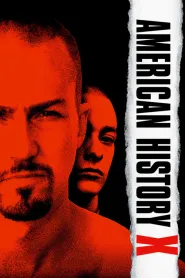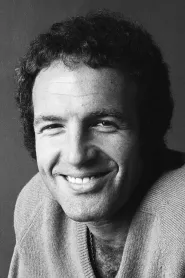
Tony Kaye is a British director and filmmaker renowned for his provocative storytelling and distinctive visual style. Born in 1952 in London, England, Kaye has carved out a significant place in the film industry, most notably for his acclaimed feature film "American History X" (1998). This powerful drama not only highlighted Kaye's talent for exploring complex social issues but also established him as a bold voice in contemporary cinema.
Kaye began his career in the world of advertising and music videos, where he honed his skills and developed a unique aesthetic. His early work in commercials provided a foundation for his later projects, allowing him to experiment with visual storytelling techniques that would become hallmarks of his cinematic style. This experience culminated in his directorial debut with "American History X," a film that tackled themes of racism and redemption through the harrowing journey of its lead character, played by Edward Norton. Kaye's raw and unflinching approach to this subject matter garnered both critical acclaim and controversy, securing his position as a filmmaker willing to challenge societal norms.
Following the success of "American History X," Tony Kaye continued to explore thought-provoking themes in his subsequent projects. His filmography includes titles such as "Lake of Fire" (2006), a documentary that delves into the contentious issue of abortion in America. Kaye's work is characterized by a desire to provoke dialogue and reflection, often drawing on real-world issues to create compelling narratives that resonate with audiences.
Throughout his career, Kaye has collaborated with various prominent actors and production teams, further solidifying his reputation as a director of considerable vision. His artistic evolution has been marked by a willingness to take risks, both in subject matter and in the visual style of his films. Kaye's commitment to authenticity and emotional depth continues to inspire a new generation of filmmakers.
Tony Kaye's contributions to cinema have not gone unnoticed, earning him accolades and recognition in film festivals and award ceremonies. His work on "American History X" remains a defining moment in his career, and it serves as a testament to his ability to engage with difficult topics in a way that is both impactful and memorable. As he continues to develop new projects, Kaye's influential voice in the film industry remains vital, challenging audiences to confront uncomfortable truths and reflect on their own perspectives.
Kaye began his career in the world of advertising and music videos, where he honed his skills and developed a unique aesthetic. His early work in commercials provided a foundation for his later projects, allowing him to experiment with visual storytelling techniques that would become hallmarks of his cinematic style. This experience culminated in his directorial debut with "American History X," a film that tackled themes of racism and redemption through the harrowing journey of its lead character, played by Edward Norton. Kaye's raw and unflinching approach to this subject matter garnered both critical acclaim and controversy, securing his position as a filmmaker willing to challenge societal norms.
Following the success of "American History X," Tony Kaye continued to explore thought-provoking themes in his subsequent projects. His filmography includes titles such as "Lake of Fire" (2006), a documentary that delves into the contentious issue of abortion in America. Kaye's work is characterized by a desire to provoke dialogue and reflection, often drawing on real-world issues to create compelling narratives that resonate with audiences.
Throughout his career, Kaye has collaborated with various prominent actors and production teams, further solidifying his reputation as a director of considerable vision. His artistic evolution has been marked by a willingness to take risks, both in subject matter and in the visual style of his films. Kaye's commitment to authenticity and emotional depth continues to inspire a new generation of filmmakers.
Tony Kaye's contributions to cinema have not gone unnoticed, earning him accolades and recognition in film festivals and award ceremonies. His work on "American History X" remains a defining moment in his career, and it serves as a testament to his ability to engage with difficult topics in a way that is both impactful and memorable. As he continues to develop new projects, Kaye's influential voice in the film industry remains vital, challenging audiences to confront uncomfortable truths and reflect on their own perspectives.