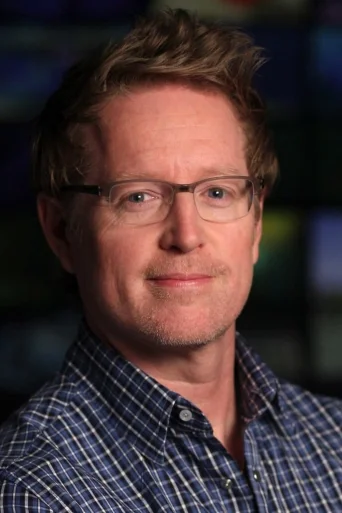
Andrew Stanton is a prominent figure in the world of animated filmmaking, known for his innovative storytelling and ability to create emotionally resonant narratives. Born in 1965 in Boston, Massachusetts, Stanton has made significant contributions to the animation industry, particularly through his work with Pixar Animation Studios. His unique vision and expertise in writing and directing have established him as a key player in Hollywood, particularly in the realm of family-friendly entertainment.
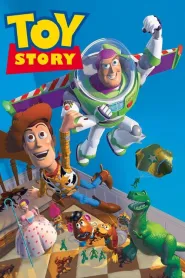
Stanton's journey in the film industry began at a young age, where his passion for storytelling found a home in animation. After graduating from the California Institute of the Arts, he joined Pixar in its early days, contributing to the groundbreaking film "Toy Story" in 1995 as a screenwriter. This film not only marked the dawn of computer-animated features but also showcased Stanton's ability to craft engaging characters and narratives that resonate with audiences of all ages.
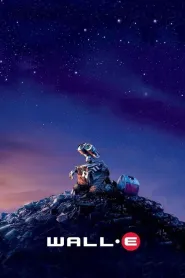
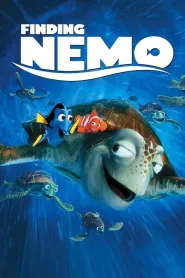
His breakthrough came with the release of "Finding Nemo" in 2003, a film that not only won the Academy Award for Best Animated Feature but also solidified Stanton's reputation as a master storyteller. The film's heartfelt exploration of family dynamics and the underwater adventure of Marlin and Nemo captivated audiences worldwide. Stanton continued to push creative boundaries with "WALL·E" in 2008, which not only garnered critical acclaim but also won an Oscar for Best Animated Feature, further demonstrating his ability to blend complex themes with accessible storytelling.
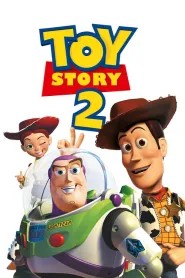
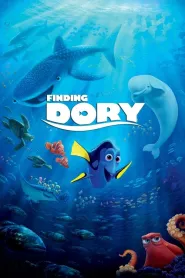
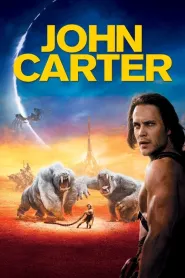
Stanton's filmography is marked by significant collaborations, particularly with fellow Pixar luminaries such as Pete Docter and Lee Unkrich. His work on sequels like "Finding Dory" (2016) showcases his commitment to character development and emotional depth, continuing the legacy of beloved characters while exploring new narrative territories. Additionally, his live-action debut, "John Carter" (2012), reflects his willingness to explore different genres and formats, even as he remains rooted in animation.
Throughout his career, Andrew Stanton has received numerous accolades and international recognition for his contributions to film. His ability to weave humor, heart, and compelling storytelling has made him a revered figure in the animation community and beyond. As he continues to innovate and inspire, Stanton's legacy in the film industry remains firmly established, making him one of the most influential voices in contemporary cinema.
Stanton's journey in the film industry began at a young age, where his passion for storytelling found a home in animation. After graduating from the California Institute of the Arts, he joined Pixar in its early days, contributing to the groundbreaking film "Toy Story" in 1995 as a screenwriter. This film not only marked the dawn of computer-animated features but also showcased Stanton's ability to craft engaging characters and narratives that resonate with audiences of all ages.
His breakthrough came with the release of "Finding Nemo" in 2003, a film that not only won the Academy Award for Best Animated Feature but also solidified Stanton's reputation as a master storyteller. The film's heartfelt exploration of family dynamics and the underwater adventure of Marlin and Nemo captivated audiences worldwide. Stanton continued to push creative boundaries with "WALL·E" in 2008, which not only garnered critical acclaim but also won an Oscar for Best Animated Feature, further demonstrating his ability to blend complex themes with accessible storytelling.
Stanton's filmography is marked by significant collaborations, particularly with fellow Pixar luminaries such as Pete Docter and Lee Unkrich. His work on sequels like "Finding Dory" (2016) showcases his commitment to character development and emotional depth, continuing the legacy of beloved characters while exploring new narrative territories. Additionally, his live-action debut, "John Carter" (2012), reflects his willingness to explore different genres and formats, even as he remains rooted in animation.
Throughout his career, Andrew Stanton has received numerous accolades and international recognition for his contributions to film. His ability to weave humor, heart, and compelling storytelling has made him a revered figure in the animation community and beyond. As he continues to innovate and inspire, Stanton's legacy in the film industry remains firmly established, making him one of the most influential voices in contemporary cinema.