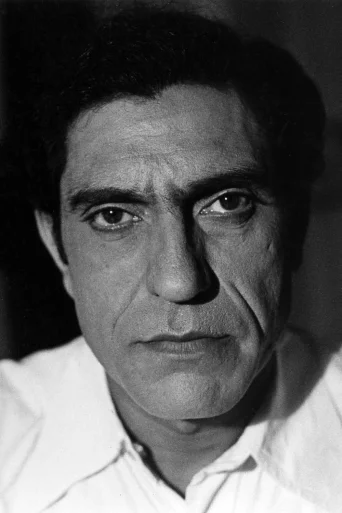
Amrish Puri was a renowned Indian actor whose extensive and impactful career left an indelible mark on both Indian cinema and international films. Born in 1932 in Jalandhar, Punjab, India, Puri became one of the most recognizable faces in Bollywood, celebrated for his commanding performances and versatile acting skills. His role as a powerful antagonist established him as a cinematic icon, and he is fondly remembered for his ability to bring complex characters to life.
Amrish Puri made his acting debut in the late 1950s, initially appearing in theater productions before transitioning to film. His breakthrough came with the 1980 film "Karan Arjun," where his portrayal of a villain captivated audiences and critics alike. However, it was his role in Steven Spielberg's "Indiana Jones and the Temple of Doom" (1984) that introduced him to a global audience. As Mola Ram, Puri delivered a memorable performance that showcased his talent for embodying both menace and charisma, earning him acclaim beyond the borders of India.
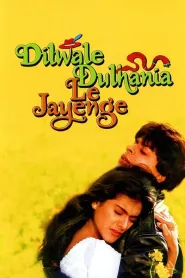
Throughout his prolific career, Amrish Puri featured in a diverse array of films, becoming a mainstay in the action, drama, and thriller genres. His collaborations with legendary directors such as Subhash Ghai and Yash Chopra further solidified his status in Indian cinema. Films like "Dilwale Dulhania Le Jayenge" (1995) and "Mr. India" (1987) highlighted his range, from sinister villains to endearing patriarchs, demonstrating his ability to connect with audiences across different narratives.
Puri's artistic evolution was marked by a deepening complexity in his roles, reflecting the changing landscape of Indian cinema. He seamlessly transitioned from traditional villainous roles to more nuanced characters, showcasing the depth of his talent. His performances garnered numerous accolades, including five prestigious awards, recognizing his contribution to the film industry and his ability to resonate with audiences on an emotional level.
Amrish Puri's legacy endures long after his passing in 2005, as his performances continue to influence actors and filmmakers around the world. His work remains a testament to the power of storytelling in film, bridging cultures and captivating hearts. The impact of Amrish Puri’s career is felt across generations, making him a timeless figure in the realm of cinema.
Amrish Puri made his acting debut in the late 1950s, initially appearing in theater productions before transitioning to film. His breakthrough came with the 1980 film "Karan Arjun," where his portrayal of a villain captivated audiences and critics alike. However, it was his role in Steven Spielberg's "Indiana Jones and the Temple of Doom" (1984) that introduced him to a global audience. As Mola Ram, Puri delivered a memorable performance that showcased his talent for embodying both menace and charisma, earning him acclaim beyond the borders of India.
Throughout his prolific career, Amrish Puri featured in a diverse array of films, becoming a mainstay in the action, drama, and thriller genres. His collaborations with legendary directors such as Subhash Ghai and Yash Chopra further solidified his status in Indian cinema. Films like "Dilwale Dulhania Le Jayenge" (1995) and "Mr. India" (1987) highlighted his range, from sinister villains to endearing patriarchs, demonstrating his ability to connect with audiences across different narratives.
Puri's artistic evolution was marked by a deepening complexity in his roles, reflecting the changing landscape of Indian cinema. He seamlessly transitioned from traditional villainous roles to more nuanced characters, showcasing the depth of his talent. His performances garnered numerous accolades, including five prestigious awards, recognizing his contribution to the film industry and his ability to resonate with audiences on an emotional level.
Amrish Puri's legacy endures long after his passing in 2005, as his performances continue to influence actors and filmmakers around the world. His work remains a testament to the power of storytelling in film, bridging cultures and captivating hearts. The impact of Amrish Puri’s career is felt across generations, making him a timeless figure in the realm of cinema.