Moritz Bleibtreu is a distinguished German actor, celebrated for his compelling performances and contributions to both German and international cinema. Born on August 13, 1971, in Munich, Bavaria, Germany, Bleibtreu has established himself as a versatile talent capable of navigating a diverse range of roles, making him a prominent figure in the film industry.
Bleibtreu's early career began in the mid-1990s, where his debut in the television film "Die Verbrechen des Professors Capellari" marked the start of a promising trajectory. However, it was his role in the 1998 cult classic "Run Lola Run," directed by Tom Tykwer, that catapulted him into the spotlight. The film's unique narrative style and Bleibtreu's engaging performance captivated audiences, establishing him as a leading actor in German cinema. This breakthrough role opened doors to a variety of projects, showcasing his ability to portray complex characters with depth and authenticity.
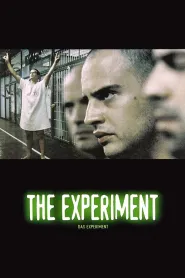
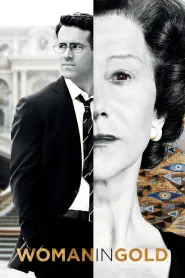
Throughout his career, Moritz Bleibtreu has starred in several notable films that have garnered critical acclaim. His performance in "The Experiment" (2001) demonstrated his capacity to tackle intense psychological roles, while his portrayal of Andreas Baader in "The Baader Meinhof Complex" (2008) further solidified his reputation as a powerful actor. Additionally, his participation in Steven Spielberg's "Munich" (2005) and the acclaimed drama "Woman in Gold" (2015) showcased his adaptability and appeal within the international film landscape.
Bleibtreu's artistic evolution is marked by his collaborations with esteemed directors such as Tom Tykwer and Uli Edel, both of whom have played pivotal roles in shaping his filmography. His ability to seamlessly transition between genres—from thrillers to dramas—reflects his commitment to his craft and a keen understanding of storytelling. As he continues to take on diverse roles, Bleibtreu remains a significant influence in contemporary cinema.
Over the years, Moritz Bleibtreu has received numerous accolades for his work, including the prestigious German Film Award for Best Actor. His performances have garnered both national and international recognition, cementing his place as a key figure in the film industry. As he continues to explore new characters and narratives, Bleibtreu's contributions to cinema are certain to resonate with audiences for years to come.
Bleibtreu's early career began in the mid-1990s, where his debut in the television film "Die Verbrechen des Professors Capellari" marked the start of a promising trajectory. However, it was his role in the 1998 cult classic "Run Lola Run," directed by Tom Tykwer, that catapulted him into the spotlight. The film's unique narrative style and Bleibtreu's engaging performance captivated audiences, establishing him as a leading actor in German cinema. This breakthrough role opened doors to a variety of projects, showcasing his ability to portray complex characters with depth and authenticity.
Throughout his career, Moritz Bleibtreu has starred in several notable films that have garnered critical acclaim. His performance in "The Experiment" (2001) demonstrated his capacity to tackle intense psychological roles, while his portrayal of Andreas Baader in "The Baader Meinhof Complex" (2008) further solidified his reputation as a powerful actor. Additionally, his participation in Steven Spielberg's "Munich" (2005) and the acclaimed drama "Woman in Gold" (2015) showcased his adaptability and appeal within the international film landscape.
Bleibtreu's artistic evolution is marked by his collaborations with esteemed directors such as Tom Tykwer and Uli Edel, both of whom have played pivotal roles in shaping his filmography. His ability to seamlessly transition between genres—from thrillers to dramas—reflects his commitment to his craft and a keen understanding of storytelling. As he continues to take on diverse roles, Bleibtreu remains a significant influence in contemporary cinema.
Over the years, Moritz Bleibtreu has received numerous accolades for his work, including the prestigious German Film Award for Best Actor. His performances have garnered both national and international recognition, cementing his place as a key figure in the film industry. As he continues to explore new characters and narratives, Bleibtreu's contributions to cinema are certain to resonate with audiences for years to come.