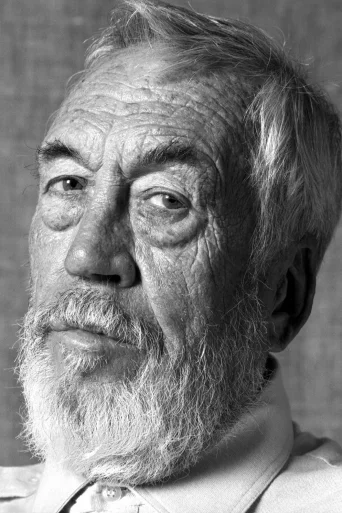
John Huston was a towering figure in the world of cinema, renowned for his multifaceted contributions as a director, screenwriter, and actor. With a career that spanned over five decades, Huston became synonymous with a distinctive filmmaking style that combined rich storytelling with strong character development. His work has left an indelible mark on Hollywood, establishing him as one of the most influential directors of the 20th century.
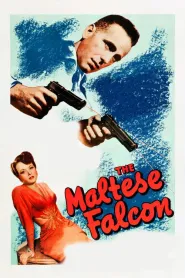
Huston was born on August 5, 1906, in Nevada, Missouri. He began his professional journey in the arts as a painter and later transitioned to writing and directing for the stage. His film debut came in 1941 with "The Maltese Falcon," a classic film noir that not only showcased his directorial prowess but also solidified Humphrey Bogart as a cinematic icon. This film marked the beginning of a remarkable career characterized by innovative storytelling and complex characters.
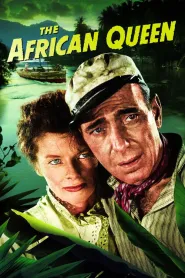
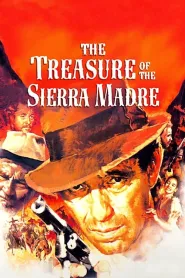
Throughout the 1940s and 1950s, John Huston continued to explore diverse genres, demonstrating his versatility as a filmmaker. His adaptation of "The Treasure of the Sierra Madre" (1948) is often hailed as one of his finest works, winning three Academy Awards, including Best Director. Huston’s ability to delve into human nature and moral ambiguity was further exemplified in films like "The African Queen" (1951), which earned him another Oscar and showcased the extraordinary performances of Katharine Hepburn and Humphrey Bogart. The collaboration with these iconic actors became a hallmark of his career, as he had a unique talent for drawing out their best performances.
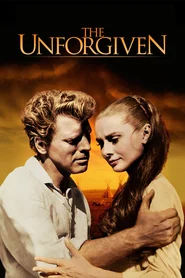
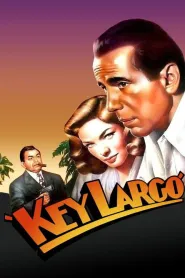
Huston's artistic evolution is evident in his later works, such as "The Unforgiven" (1960) and "Key Largo" (1948), where he continued to explore themes of conflict, survival, and the human condition. His films often reflected his personal experiences and worldview, offering audiences a glimpse into the complexities of life. Huston’s commitment to storytelling and his innovative approach to filmmaking earned him recognition not only in the United States but also on the international stage, as he was honored with numerous awards throughout his career.
In addition to his directorial achievements, John Huston was an accomplished screenwriter and actor, showcasing his talents in films like "The Misfits" (1961) and "The Bible: In the Beginning..." (1966). His legacy as a filmmaker is preserved in the annals of film history, with many of his works still celebrated today for their artistic significance and cultural impact. Huston’s passion for cinema and his relentless pursuit of storytelling excellence continue to inspire filmmakers and audiences alike, ensuring that his contributions to the art of film remain timeless.
Huston was born on August 5, 1906, in Nevada, Missouri. He began his professional journey in the arts as a painter and later transitioned to writing and directing for the stage. His film debut came in 1941 with "The Maltese Falcon," a classic film noir that not only showcased his directorial prowess but also solidified Humphrey Bogart as a cinematic icon. This film marked the beginning of a remarkable career characterized by innovative storytelling and complex characters.
Throughout the 1940s and 1950s, John Huston continued to explore diverse genres, demonstrating his versatility as a filmmaker. His adaptation of "The Treasure of the Sierra Madre" (1948) is often hailed as one of his finest works, winning three Academy Awards, including Best Director. Huston’s ability to delve into human nature and moral ambiguity was further exemplified in films like "The African Queen" (1951), which earned him another Oscar and showcased the extraordinary performances of Katharine Hepburn and Humphrey Bogart. The collaboration with these iconic actors became a hallmark of his career, as he had a unique talent for drawing out their best performances.
Huston's artistic evolution is evident in his later works, such as "The Unforgiven" (1960) and "Key Largo" (1948), where he continued to explore themes of conflict, survival, and the human condition. His films often reflected his personal experiences and worldview, offering audiences a glimpse into the complexities of life. Huston’s commitment to storytelling and his innovative approach to filmmaking earned him recognition not only in the United States but also on the international stage, as he was honored with numerous awards throughout his career.
In addition to his directorial achievements, John Huston was an accomplished screenwriter and actor, showcasing his talents in films like "The Misfits" (1961) and "The Bible: In the Beginning..." (1966). His legacy as a filmmaker is preserved in the annals of film history, with many of his works still celebrated today for their artistic significance and cultural impact. Huston’s passion for cinema and his relentless pursuit of storytelling excellence continue to inspire filmmakers and audiences alike, ensuring that his contributions to the art of film remain timeless.