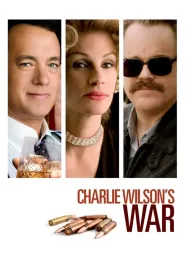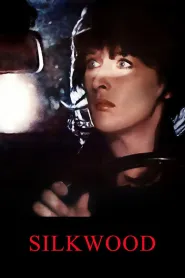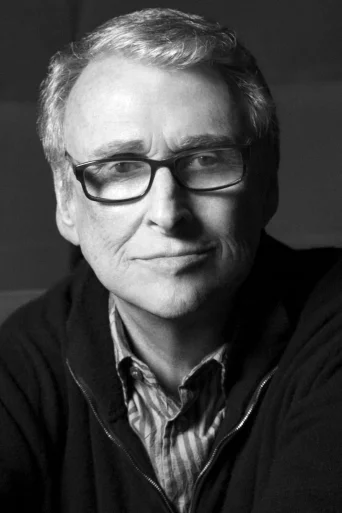
Mike Nichols was a pivotal figure in the American film industry, renowned for his innovative storytelling and compelling direction. Spanning a career that encompassed more than five decades, Nichols left an indelible mark on cinema with his ability to blend humor and drama, exploring complex human relationships with wit and insight. His films not only entertained audiences but also pushed the boundaries of narrative and character development, establishing him as one of the most celebrated directors in Hollywood.
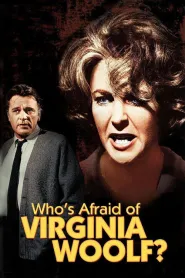
Nichols began his career in the entertainment industry as a member of the improvisational comedy troupe Second City. His experience in theater proved to be a launching pad for his transition into film. His directorial debut came in 1966 with "Who's Afraid of Virginia Woolf?", an adaptation of Edward Albee's play that showcased his knack for capturing intense emotional dynamics. This film set the stage for his remarkable ability to translate complex stage narratives into compelling cinematic experiences.
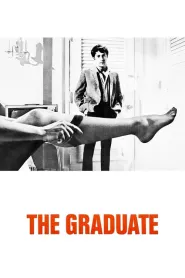
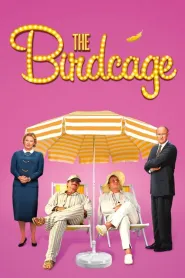
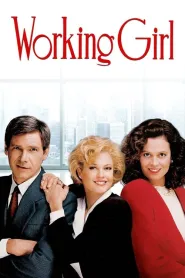
His breakthrough came with "The Graduate" in 1967, a film that became a cultural phenomenon and solidified Mike Nichols's status in Hollywood. The story of a disillusioned young man played by Dustin Hoffman, exploring themes of alienation and societal expectations, resonated with a generation. The film's iconic soundtrack and memorable performances earned Nichols critical acclaim and an Academy Award for Best Director. He followed this success with a string of notable films, including "Working Girl" (1988), which offered a progressive take on gender dynamics in the workplace, and "The Birdcage" (1996), a vibrant comedy that examined themes of family and acceptance.
Throughout his career, Mike Nichols collaborated with some of the most talented actors and writers in the industry, including Meryl Streep, Jack Nicholson, and Emma Thompson. His artistic evolution over the years was marked by his ability to adapt to changing cinematic landscapes while maintaining a distinct voice. Nichols's mastery of dialogue and character-driven stories kept his work relevant and impactful, earning him numerous accolades including multiple Tony Awards and an Emmy.
In addition to his success in film, Nichols was also a highly regarded theater director, further showcasing his versatility and commitment to the performing arts. His contributions to cinema and theater were recognized through various awards, solidifying his legacy as a master storyteller. Mike Nichols's influence on the film industry is undeniable; his works continue to inspire new generations of filmmakers and audiences alike, ensuring that his artistic vision remains a vital part of cinematic history.
Nichols began his career in the entertainment industry as a member of the improvisational comedy troupe Second City. His experience in theater proved to be a launching pad for his transition into film. His directorial debut came in 1966 with "Who's Afraid of Virginia Woolf?", an adaptation of Edward Albee's play that showcased his knack for capturing intense emotional dynamics. This film set the stage for his remarkable ability to translate complex stage narratives into compelling cinematic experiences.
His breakthrough came with "The Graduate" in 1967, a film that became a cultural phenomenon and solidified Mike Nichols's status in Hollywood. The story of a disillusioned young man played by Dustin Hoffman, exploring themes of alienation and societal expectations, resonated with a generation. The film's iconic soundtrack and memorable performances earned Nichols critical acclaim and an Academy Award for Best Director. He followed this success with a string of notable films, including "Working Girl" (1988), which offered a progressive take on gender dynamics in the workplace, and "The Birdcage" (1996), a vibrant comedy that examined themes of family and acceptance.
Throughout his career, Mike Nichols collaborated with some of the most talented actors and writers in the industry, including Meryl Streep, Jack Nicholson, and Emma Thompson. His artistic evolution over the years was marked by his ability to adapt to changing cinematic landscapes while maintaining a distinct voice. Nichols's mastery of dialogue and character-driven stories kept his work relevant and impactful, earning him numerous accolades including multiple Tony Awards and an Emmy.
In addition to his success in film, Nichols was also a highly regarded theater director, further showcasing his versatility and commitment to the performing arts. His contributions to cinema and theater were recognized through various awards, solidifying his legacy as a master storyteller. Mike Nichols's influence on the film industry is undeniable; his works continue to inspire new generations of filmmakers and audiences alike, ensuring that his artistic vision remains a vital part of cinematic history.