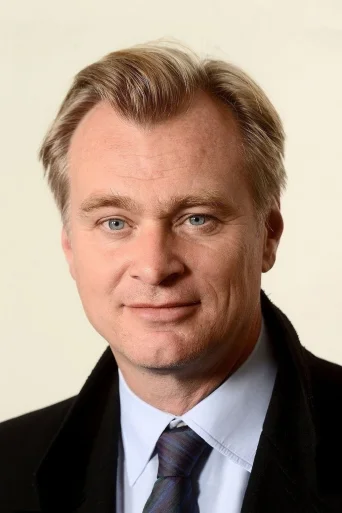
Christopher Nolan, born in 1970 in Westminster, London, England, has established himself as one of the most innovative and influential directors in contemporary cinema. Renowned for his unique storytelling techniques and ambitious narratives, Nolan has crafted a body of work that challenges audiences while reimagining the possibilities of film. His films often blend complex themes with stunning visuals, making his contributions to Hollywood not only significant but also deeply impactful.
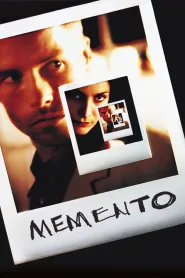
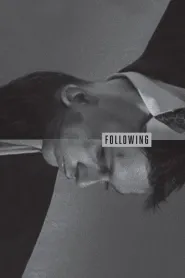
Nolan embarked on his filmmaking journey with his debut feature, "Following" (1998), a noir thriller that showcased his talent for weaving intricate plots. However, it was with "Memento" (2000) that he truly captured the industry's attention. The film's non-linear narrative and psychological depth not only earned critical acclaim but also set the stage for Nolan's distinctive style. This early success laid the groundwork for his further exploration of time and memory, themes that would come to define his filmography.
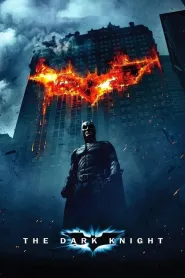
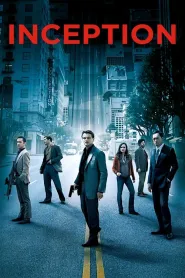
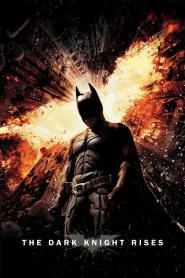
The director's breakthrough came with "The Dark Knight" (2008), a film that redefined the superhero genre and earned Nolan widespread recognition. Featuring a mesmerizing performance by Heath Ledger as the Joker, "The Dark Knight" not only became a box office phenomenon but also received numerous accolades, solidifying Nolan's reputation as a master storyteller. His subsequent films, including "Inception" (2010) and "The Dark Knight Rises" (2012), further showcased his ability to blend blockbuster entertainment with profound philosophical questions, exploring the nature of reality and human morality.
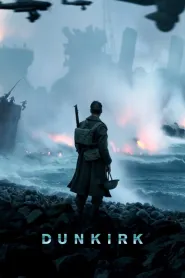
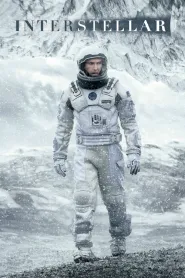
In recent years, Nolan has continued to push the boundaries of cinema with ambitious projects such as "Interstellar" (2014) and "Dunkirk" (2017). Each of these films reflects his artistic evolution, incorporating groundbreaking visual effects and sound design to create immersive experiences. His most recent work, "Oppenheimer" (2023), delves into the complexities of the atomic age, earning both critical acclaim and numerous awards, including an Academy Award and a Golden Globe.
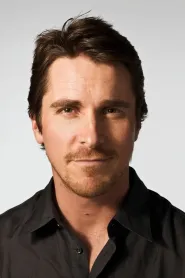
Christopher Nolan’s collaborations with actors and fellow filmmakers have also played a significant role in his success. Regular partnerships with actors like Christian Bale and Tom Hardy, along with collaborations with esteemed cinematographers such as Hoyte van Hoytema, have contributed to the distinctive visual and narrative style that characterizes his films. As an artist, Nolan continues to challenge conventions and inspire future generations of filmmakers, ensuring his place as a pivotal figure in the evolution of modern cinema.
Nolan embarked on his filmmaking journey with his debut feature, "Following" (1998), a noir thriller that showcased his talent for weaving intricate plots. However, it was with "Memento" (2000) that he truly captured the industry's attention. The film's non-linear narrative and psychological depth not only earned critical acclaim but also set the stage for Nolan's distinctive style. This early success laid the groundwork for his further exploration of time and memory, themes that would come to define his filmography.
The director's breakthrough came with "The Dark Knight" (2008), a film that redefined the superhero genre and earned Nolan widespread recognition. Featuring a mesmerizing performance by Heath Ledger as the Joker, "The Dark Knight" not only became a box office phenomenon but also received numerous accolades, solidifying Nolan's reputation as a master storyteller. His subsequent films, including "Inception" (2010) and "The Dark Knight Rises" (2012), further showcased his ability to blend blockbuster entertainment with profound philosophical questions, exploring the nature of reality and human morality.
In recent years, Nolan has continued to push the boundaries of cinema with ambitious projects such as "Interstellar" (2014) and "Dunkirk" (2017). Each of these films reflects his artistic evolution, incorporating groundbreaking visual effects and sound design to create immersive experiences. His most recent work, "Oppenheimer" (2023), delves into the complexities of the atomic age, earning both critical acclaim and numerous awards, including an Academy Award and a Golden Globe.
Christopher Nolan’s collaborations with actors and fellow filmmakers have also played a significant role in his success. Regular partnerships with actors like Christian Bale and Tom Hardy, along with collaborations with esteemed cinematographers such as Hoyte van Hoytema, have contributed to the distinctive visual and narrative style that characterizes his films. As an artist, Nolan continues to challenge conventions and inspire future generations of filmmakers, ensuring his place as a pivotal figure in the evolution of modern cinema.